
Dietary Fiber: The Nutrient Most Americans Aren't Getting Enough Of

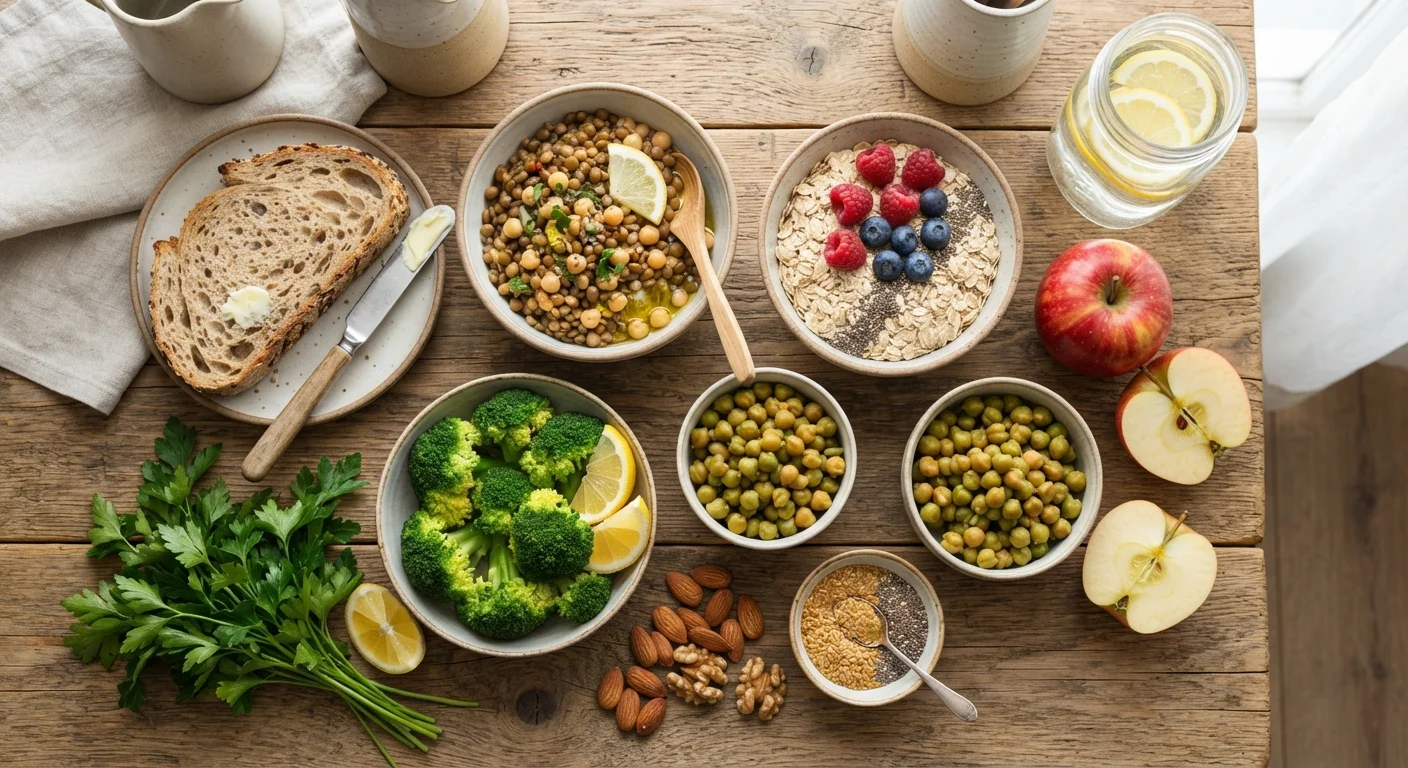
Photo: BridgeWish.com | Reliable Source Of Information editorial
Key Takeaways
- Most American adults consume only about half the daily fiber their bodies need.
- Dietary fiber supports digestion, blood sugar control, cholesterol levels, and gut health.
- Soluble and insoluble fiber have distinct but complementary roles in the body.
- Whole grains, legumes, fruits, and vegetables are the richest food sources of fiber.
- Increasing fiber intake gradually and with adequate water helps avoid digestive discomfort.
Why Fiber Is the Nutrient America Keeps Missing
Dietary fiber ranks among the most studied and consistently under-consumed nutrients in the American diet. Population data from the NHANES indicate that average fiber intake among U.S. adults hovers around 15 grams per day — roughly half the amount that established dietary guidelines recommend. This shortfall is not simply a matter of eating too little; it reflects a dietary pattern dominated by refined grains, processed snacks, and foods stripped of their natural fiber content during manufacturing.
Understanding why fiber matters — and which foods deliver it most effectively — is one of the most practical steps anyone can take toward better everyday health. As part of a broader look at nutrients commonly falling short in American diets, fiber stands out because its absence has measurable consequences for digestion, metabolic health, and long-term disease risk.
~15g
Average daily fiber intake for US adults
NHANES dietary survey data consistently show average American fiber intake is roughly half the recommended amount.
25–38g
Recommended daily fiber intake for adults
The Dietary Guidelines for Americans recommend 25g for women and 38g for men, varying by age and caloric needs.
95%
Americans not meeting fiber recommendations
Nutrition research estimates that the vast majority of U.S. adults fall below recommended daily fiber intake levels.
Soluble vs. Insoluble Fiber: Two Types, One Goal
Fiber is not a single compound but a broad category of indigestible plant carbohydrates. The two main classifications — soluble and insoluble — behave differently in the body, yet both contribute to overall health.
Soluble fiber dissolves in water to form a thick gel in the digestive tract. This slows the movement of food, which moderates blood sugar spikes after meals and reduces the absorption of dietary cholesterol. Oats, barley, apples, citrus fruits, and legumes are particularly rich in soluble fiber. The fermentable varieties also serve as a food source for beneficial gut bacteria, supporting a diverse and balanced microbiome.
Insoluble fiber does not dissolve. Instead, it adds bulk and texture to stool, helping waste move through the intestines at a healthy pace. Whole wheat, bran, nuts, and many vegetables are good sources. Regular insoluble fiber intake is associated with reduced risk of constipation and certain digestive conditions.
For most people, the goal is not to track each type separately but to eat a varied, plant-forward diet that naturally supplies both. See our in-depth look at fiber's roles in digestion and metabolic health for more on how these two types work together.
Increase Fiber Gradually to Avoid Discomfort
What Fiber Actually Does for Your Body
Fiber's health benefits extend well beyond keeping digestion regular. Research consistently links higher fiber intake with several meaningful health outcomes:
- Blood sugar regulation: Soluble fiber slows glucose absorption, reducing post-meal blood sugar spikes and supporting insulin sensitivity over time.
- Cardiovascular health: Certain soluble fibers, particularly beta-glucan found in oats, are associated with modest reductions in LDL ("bad") cholesterol levels.
- Weight management: High-fiber foods tend to promote a feeling of fullness, which can reduce overall calorie intake without requiring deliberate restriction.
- Gut microbiome support: Fermentable fiber feeds beneficial bacteria in the colon, producing short-chain fatty acids that support intestinal lining health and immune function.
- Reduced colorectal cancer risk: Population studies suggest that higher dietary fiber intake is associated with lower rates of colorectal cancer, though this relationship involves multiple factors.
These benefits make fiber one of the most impactful dietary levers available through ordinary food choices, reinforcing why the core principles of healthy eating consistently emphasize whole, plant-based foods.
“Dietary fiber is one of the most compelling examples of a nutrient where the evidence for benefit is strong, the food sources are affordable and accessible, and yet intake remains persistently low across the population.”
— Walter Willett, Professor of Epidemiology and Nutrition, Harvard T.H. Chan School of Public Health
The Best Food Sources of Dietary Fiber
Fiber is found exclusively in plant foods. Animal products — meat, dairy, eggs — contain none. The following food categories are among the most reliable sources:
- Legumes
- Lentils, black beans, kidney beans, chickpeas, and split peas offer 7–15 grams of fiber per cooked cup, making them the most fiber-dense foods in any diet.
- Whole grains
- Oats, barley, quinoa, whole wheat bread, and brown rice provide substantially more fiber than their refined counterparts. Choosing whole grain versions of everyday staples is one of the easiest upgrades available.
- Fruits
- Raspberries, pears, apples (with skin), avocados, and bananas are particularly high in fiber. Most whole fruits provide 3–8 grams per serving.
- Vegetables
- Broccoli, Brussels sprouts, carrots, artichokes, and leafy greens all contribute meaningful fiber alongside vitamins and minerals.
- Nuts and seeds
- Chia seeds, flaxseeds, and almonds are concentrated fiber sources that integrate easily into meals and snacks.
A practical strategy is to build meals around these categories rather than treating fiber as an add-on. For practical guidance on everyday food choices, the everyday foods that make getting more fiber easy is a useful starting point.
Fiber Needs Vary by Age and Health Status
This article is for informational purposes only and is not a substitute for professional medical or nutritional advice. Consult a qualified healthcare provider before making significant changes to your diet, particularly if you have a gastrointestinal condition or chronic health concern.
Frequently Asked Questions
The content on this site is for informational purposes only and is not a substitute for professional advice. Always consult a qualified professional for guidance specific to your situation.