
Eating Patterns That Research Associates with Long-Term Health

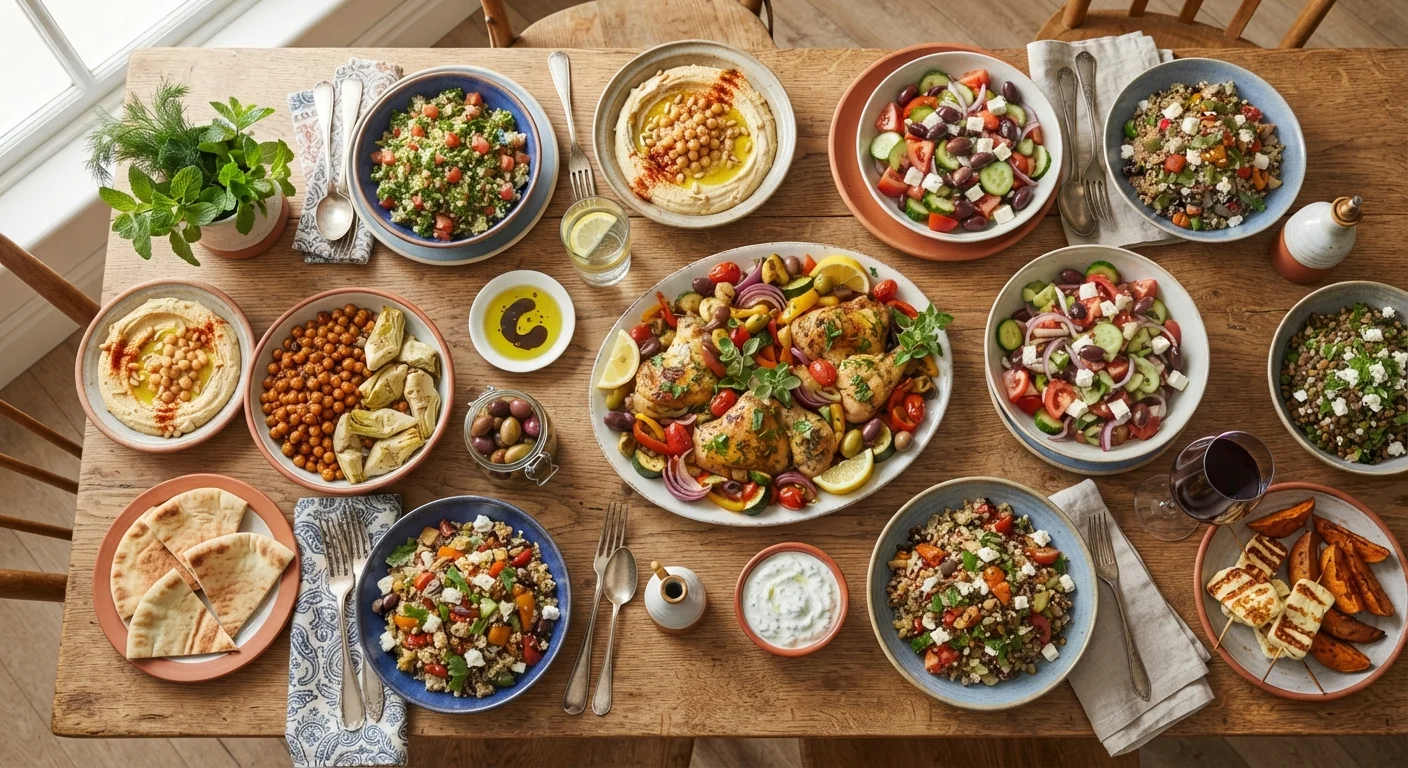
Photo: BridgeWish.com | Reliable Source Of Information editorial
Key Takeaways
- No single food makes or breaks health — overall eating patterns matter most.
- The Mediterranean and DASH diets have some of the strongest research backing for long-term health outcomes.
- Plant-forward patterns consistently appear in populations with lower rates of chronic disease.
- Sustainability and personal fit matter as much as a pattern's research profile.
- Always consult a healthcare professional before making significant changes to your diet.
Why Eating Patterns Matter More Than Individual Foods
Nutrition research has steadily shifted away from focusing on single nutrients — like fat or sugar in isolation — toward examining overall dietary patterns. The reason is practical: people eat meals, not nutrients. How foods combine and how consistently certain habits are maintained over years appears to have a greater influence on long-term health than any one food choice.
Large observational studies and clinical trials have followed populations over decades, tracking both what people eat and what health outcomes they experience. While no study can prove that diet alone causes a particular outcome, consistent associations across diverse populations give researchers — and public health bodies — a basis for general guidance. The Diet & Food Choices hub provides broader context on how food decisions shape wellbeing over time.
Focus on the Pattern, Not Perfection
The Mediterranean Pattern
Among studied dietary patterns, the Mediterranean diet has one of the most extensive research records. It emphasizes vegetables, fruits, legumes, whole grains, fish, and olive oil, with modest amounts of dairy and limited red meat. It is not a strict protocol — it reflects traditional eating habits across countries bordering the Mediterranean Sea and allows significant flexibility.
Research, including the widely cited PREDIMED trial conducted in Spain, found associations between this pattern and reduced risk of cardiovascular events in adults at elevated cardiovascular risk. Other studies have linked it to markers of reduced inflammation and better metabolic health. It is important to note that most evidence is observational, and individual results vary considerably. For a broader comparison of this and other patterns, see how major dietary approaches compare.
| Mediterranean | DASH | Whole-Food Plant-Based | |
|---|---|---|---|
| Primary focus | Heart health, overall longevity | Blood pressure, heart health | Chronic disease prevention |
| Animal products allowed | Yes, especially fish | Yes, lean meats and dairy | Minimal to none |
| Fat emphasis | Olive oil, nuts, fish | Low saturated fat | Plant fats — nuts, seeds, avocado |
| Sodium restriction | Moderate | Explicit limit (~2,300 mg/day) | Generally low by default |
| Evidence base | Extensive — multiple large trials | Strong — multiple clinical trials | Growing — strong observational data |
| Flexibility for everyday eating | High — adaptable across cultures | Moderate — structured guidelines | Moderate — requires planning |
The DASH Pattern and Plant-Forward Approaches
The DASH (Dietary Approaches to Stop Hypertension) pattern was originally developed and studied in the context of blood pressure management. It prioritizes fruits, vegetables, low-fat dairy, whole grains, and lean proteins, while limiting sodium, saturated fat, and added sugars. Clinical trials have shown that DASH-style eating can meaningfully lower blood pressure, which is a significant risk factor for heart disease and stroke.
Plant-forward or plant-based patterns — which place most calories from plant sources while not necessarily eliminating animal products entirely — have also been studied for links to lower rates of type 2 diabetes, certain cancers, and cardiovascular disease. The strength of association varies by study design and population. These patterns tend to be high in fiber and phytonutrients (natural plant compounds) while being lower in saturated fat.
How traditional cultures around the world structure their meals offers additional perspective — explore what traditional eating habits teach us for a deeper look.
~30%
Reduced cardiovascular event risk
The PREDIMED trial found participants following a Mediterranean diet supplemented with olive oil or nuts had approximately 30% fewer major cardiovascular events compared to a control diet.
8–14 mmHg
Blood pressure reduction with DASH
Research published in the New England Journal of Medicine found DASH-style eating reduced systolic blood pressure by 8 to 14 mmHg in participants with hypertension.
~20%
Lower type 2 diabetes risk
A review in PLOS Medicine found plant-based dietary patterns were associated with roughly 20% lower risk of developing type 2 diabetes compared to non-plant-based diets.
Shared Principles Across Healthy Eating Patterns
Researchers at institutions including Harvard T.H. Chan School of Public Health have noted that patterns with the strongest health associations share several features regardless of their specific rules:
- High in vegetables and fruits — providing fiber, vitamins, minerals, and antioxidants
- Emphasis on whole grains over refined carbohydrates
- Legumes as a regular protein source — beans, lentils, and peas appear across nearly every well-studied healthy pattern
- Healthy fats — such as those found in olive oil, nuts, and fatty fish — in place of trans fats or heavily processed oils
- Limited ultra-processed foods — items engineered for palatability rather than nutrition
These commonalities suggest that the underlying food quality and variety may matter more than any specific label applied to a diet. For context on eating patterns linked to long-term wellbeing, certain habits appear repeatedly across healthy populations worldwide.
Turning these patterns into lasting daily habits is its own challenge. Evidence-based approaches to building consistent food habits can help bridge the gap between knowing what to eat and actually doing it.
This article is for general informational and educational purposes only and is not a substitute for personalized medical or nutritional advice. Please consult a qualified healthcare professional before making significant changes to your diet, especially if you have an existing health condition.
The content on this site is for informational purposes only and is not a substitute for professional advice. Always consult a qualified professional for guidance specific to your situation.