
Building Eating Habits That Last: What the Research Suggests

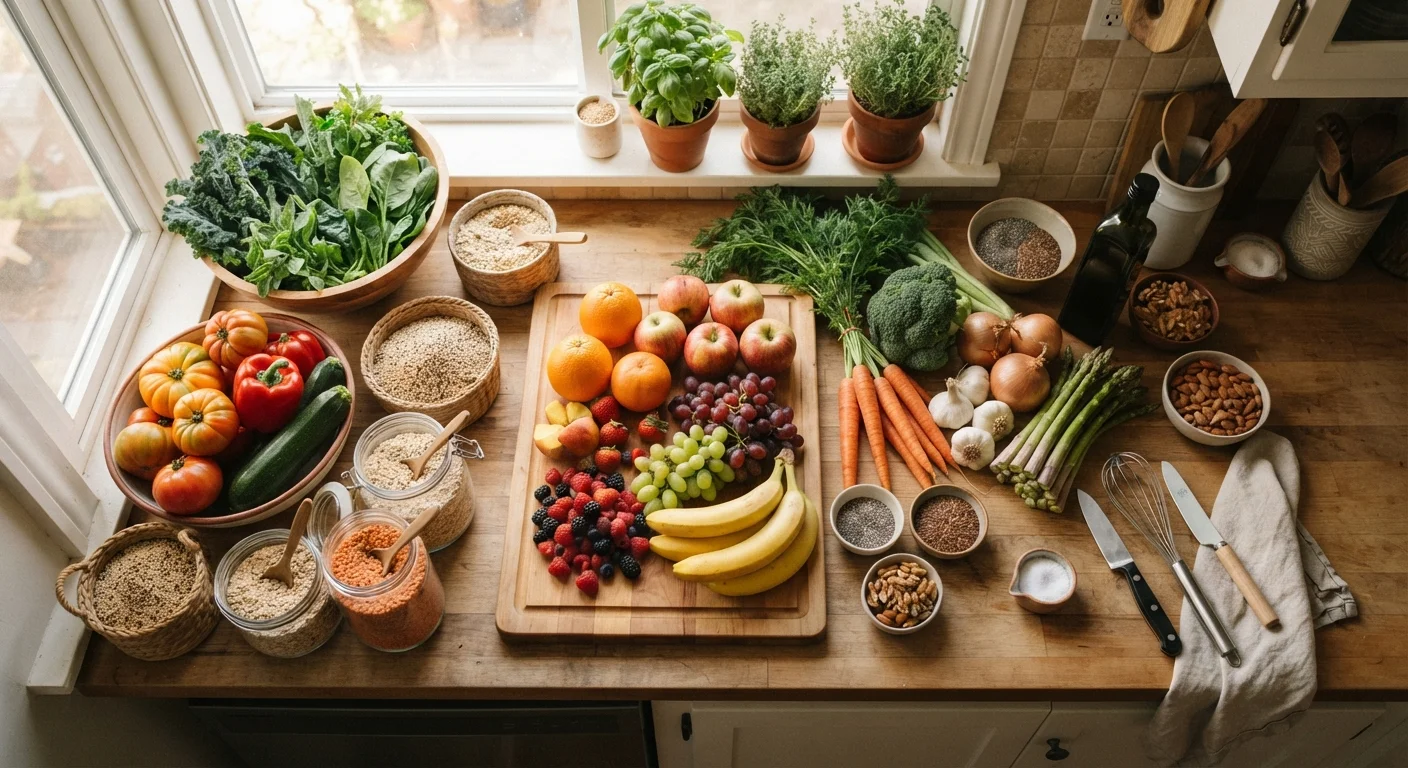
Photo: BridgeWish.com | Reliable Source Of Information editorial
Key Takeaways
- Habit research shows small, consistent changes are more durable than sweeping dietary overhauls.
- Environment design — what's visible and accessible in your kitchen — shapes food choices more than willpower.
- Flexible approaches to eating tend to outlast rigid, all-or-nothing diet rules.
- Connecting new food behaviors to existing daily routines accelerates habit formation.
- Progress tracking and self-compassion after slip-ups both support long-term consistency.
Why Most Dietary Changes Don't Stick
Research on behavior change consistently finds that motivation alone is a poor driver of long-term habit formation. A highly restrictive eating plan may produce results in the short term, but the cognitive load of tracking everything — combined with social pressures and food cravings — tends to erode compliance within weeks or months.
Studies published in behavioral nutrition journals suggest that people who frame healthy eating as an identity-based practice ("I'm someone who prioritizes vegetables") rather than a performance goal ("I'm on a diet") tend to maintain their habits longer. The distinction matters: identity-based framing makes each food choice feel like a reaffirmation of who you are, rather than a test you might fail.
For a deeper foundation in what balanced eating actually looks like, the Healthy Eating Basics hub covers core nutritional principles worth understanding before building habits on top of them.
Start with one specific, measurable change rather than a complete diet redesign.
Anchor new food behaviors to existing daily routines.
Allow flexible rather than all-or-nothing rules around food.
Track food choices briefly and non-judgmentally to build self-awareness.
Practice self-compassion after setbacks rather than guilt or restriction.
Evidence-Based Practices for Building Food Habits That Last
The practices below are grounded in behavioral science and nutrition research. None require perfection — they're designed to work in real households with real schedules.
Making Your Environment Do the Work
Behavioral economist research has repeatedly demonstrated that people eat what's convenient and visible, regardless of stated intentions. Placing a bowl of fruit on the counter, prepping raw vegetables at eye level in the refrigerator, and keeping whole-grain staples at the front of the pantry all reduce the friction between intention and action.
Start With Your Refrigerator
This approach — sometimes called "choice architecture" — is one of the most evidence-supported strategies in public health nutrition. Unlike willpower, which is a finite resource, environmental design works passively once it's set up.
If restructuring your weekly meals feels overwhelming, the guide to building a weekly meal pattern offers a practical starting point for creating structure without rigidity. And if time is your main barrier, building healthier habits on a busy schedule addresses that directly.
66 days
Average time for a new habit to become automatic
A study published in the European Journal of Social Psychology found that habit formation took an average of 66 days, ranging widely depending on the behavior and individual.
~40%
Daily behaviors driven by habit, not conscious decision
Research from Duke University estimates that roughly 40% of daily actions are habitual, underscoring why environment and routine matter more than in-the-moment willpower.
This article is for general informational and educational purposes only and does not constitute medical or nutritional advice. Consult a qualified healthcare provider or registered dietitian before making significant changes to your diet, especially if you have a medical condition.
The content on this site is for informational purposes only and is not a substitute for professional advice. Always consult a qualified professional for guidance specific to your situation.