
Healthy Eating Basics

Building a Weekly Meal Pattern That Actually Sticks

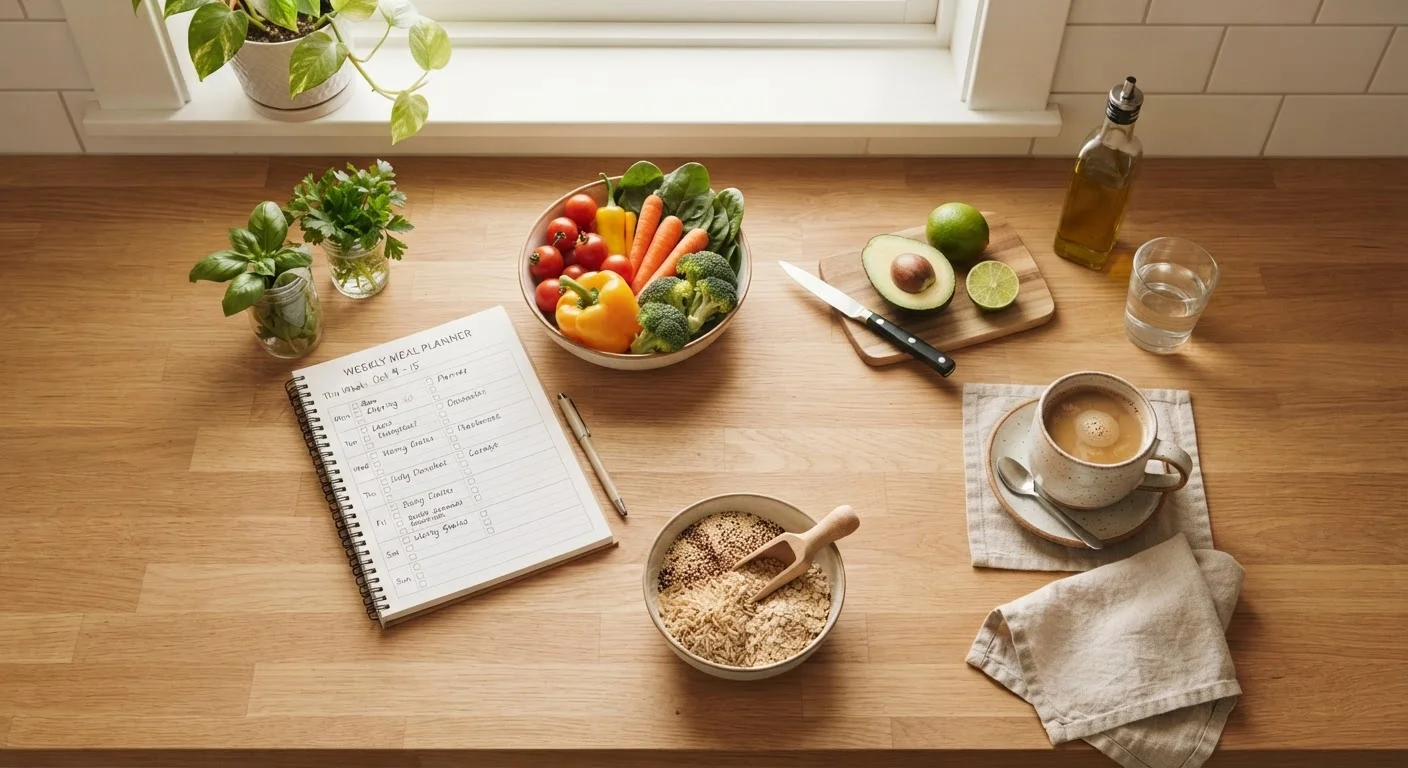
Building a Weekly Meal Pattern That Actually Sticks

Photo: BridgeWish.com | Reliable Source Of Information editorial

Practical approaches to structuring meals across the week so healthy eating becomes a habit rather than a constant decision.

Key Takeaways

  • Repeating a small set of reliable meals reduces decision fatigue and supports consistency.
  • Planning meals by structure—not rigid recipes—gives flexibility without losing direction.
  • Batch-prepping one or two components weekly significantly lowers the barrier to eating well.
  • Treating weekends differently from weekdays helps account for real-life schedule variation.
  • Small, sustainable adjustments outperform strict plans that collapse under pressure.

Why Most Meal Plans Fall Apart by Wednesday

Most people approach weekly meal planning the way they'd approach a short-term project: intense effort upfront, followed by rapid abandonment when reality intervenes. A rigid plan that schedules every meal and assumes consistent energy, time, and motivation is almost guaranteed to fail — not because the person lacks willpower, but because the plan doesn't account for how weeks actually unfold.

The research on habit formation consistently points to the same principle: consistency over perfection. Rather than building a perfect plan you'll abandon, the goal is building a flexible pattern that functions even on your worst days. For a deeper look at how habits develop over time, see our article on evidence-based eating habits.

“Habits are formed not through willpower but through systems that make the desired behavior easier than the alternative.”

— Wendy Wood, Research psychologist and author on habit formation, University of Southern California

The Core Practices That Make a Pattern Stick

Building a meal pattern that actually lasts comes down to a handful of structural decisions — not willpower, and not complicated nutrition rules. The practices below are grounded in how people realistically eat across a week, and they prioritize sustainability over perfection. For guidance on the nutritional side of weekly planning, the checklist at building a week of meals around nutritional variety is a useful companion.

1

Anchor your week to three or four reliable meal formulas, not fixed recipes.

Meal formulas — such as 'protein + roasted vegetable + grain' — are flexible enough to rotate ingredients while keeping the structure familiar. This reduces cognitive load and prevents the blank-slate paralysis that derails planning. Reliable formulas also make grocery shopping more efficient.
Example: Monday dinner might be baked salmon with roasted broccoli and brown rice one week, then chicken thighs with roasted sweet potato and farro the next — same formula, different ingredients.
2

Designate one batch-prep window per week for two or three foundational components.

Pre-cooked grains, washed greens, and a batch of legumes or a protein source dramatically shorten weeknight cooking time. You don't need a full meal-prep marathon — just a 30-to-45-minute window. Having components ready lowers the temptation to skip cooking when energy is low.
Example: On Sunday afternoon, cook a pot of quinoa, hard-boil a half-dozen eggs, and wash a bag of salad greens — each usable across three or four different meals during the week.
3

Plan for flex meals rather than scheduling every single eating occasion.

Over-scheduling meals creates a brittle plan that collapses at the first disruption — a late meeting, an unexpected dinner invitation, or simple fatigue. Building in two or three intentionally unplanned meals per week accommodates real life without abandoning the framework entirely.
Example: Leave Thursday dinner and one weekend lunch unscheduled. Use those moments for leftovers, simple pantry meals, or eating out without feeling like the week's plan has failed.
4

Match your meal complexity to each day's realistic energy level.

Scheduling a time-intensive meal on your most demanding workday is a reliable path to ordering takeout and feeling defeated. Auditing your weekly calendar before you plan meals — and assigning simpler options to harder days — keeps the plan achievable. Reserve more involved cooking for days when you genuinely have time.
Example: If Wednesday evenings are consistently packed, plan something like canned fish with pre-prepped grains and sliced avocado — nutritious, fast, and requiring almost no active cooking.
5

Use a rotating two- or three-week meal cycle to reduce planning effort over time.

Starting from a blank page every Sunday is exhausting and makes the habit fragile. A rotating cycle means you only need to build a solid plan once, then repeat and adjust gradually. Over time, the cycle becomes automatic — dramatically reducing the weekly mental load.
Example: Week A might feature sheet-pan chicken, grain bowls, and egg-based breakfasts; Week B might rotate in a lentil soup, stir-fry, and overnight oats — cycling between the two with minor ingredient swaps for variety.

Getting Started Without Overhauling Everything

You don't need to redesign your entire diet to build a more consistent meal pattern. The most durable changes tend to start small — one anchor meal, one prep habit, one week on a simple rotation. If your schedule leaves little room for cooking, the strategies in building healthier eating habits when you have almost no time offer additional approaches that work within tight constraints. Building broader cooking essentials skills alongside your planning habit will also make the day-to-day execution easier over time.

high Write down your three most reliable weeknight dinners right now and add their ingredients to your next grocery list.
high Cook a single grain (rice, quinoa, or farro) in a large batch this week and use it across at least three meals.
medium Look at next week's calendar before planning meals and mark your two busiest evenings for simple or no-cook options.
medium Choose two breakfasts you'll eat on rotation for the next two weeks to eliminate one daily food decision.

This Is General Nutrition Information

The guidance in this article is intended for healthy adults looking to build more consistent eating habits. It is not medical or dietary advice tailored to your individual health needs. If you have a specific health condition, food allergy, or are managing a medical diet, consult a registered dietitian or your healthcare provider before making significant changes to your eating patterns.

This article provides general information about meal planning and eating habits. It is not a substitute for personalized advice from a registered dietitian or healthcare provider.

Food Editorial Team

BridgeWish.com | Reliable Source Of Information

Food Editorial Team is the collective byline for our editorial team and contributor network. Articles published under this byline or an editorial pen name are researched, written, and reviewed according to our editorial standards for clarity, consistency, and independence before publication.

Healthy Eating BasicsCooking EssentialsDiet & Food Choices
View author profile

The content on this site is for informational purposes only and is not a substitute for professional advice. Always consult a qualified professional for guidance specific to your situation.