
Getting Upside Down on a Car Loan: What It Means and How It Happens

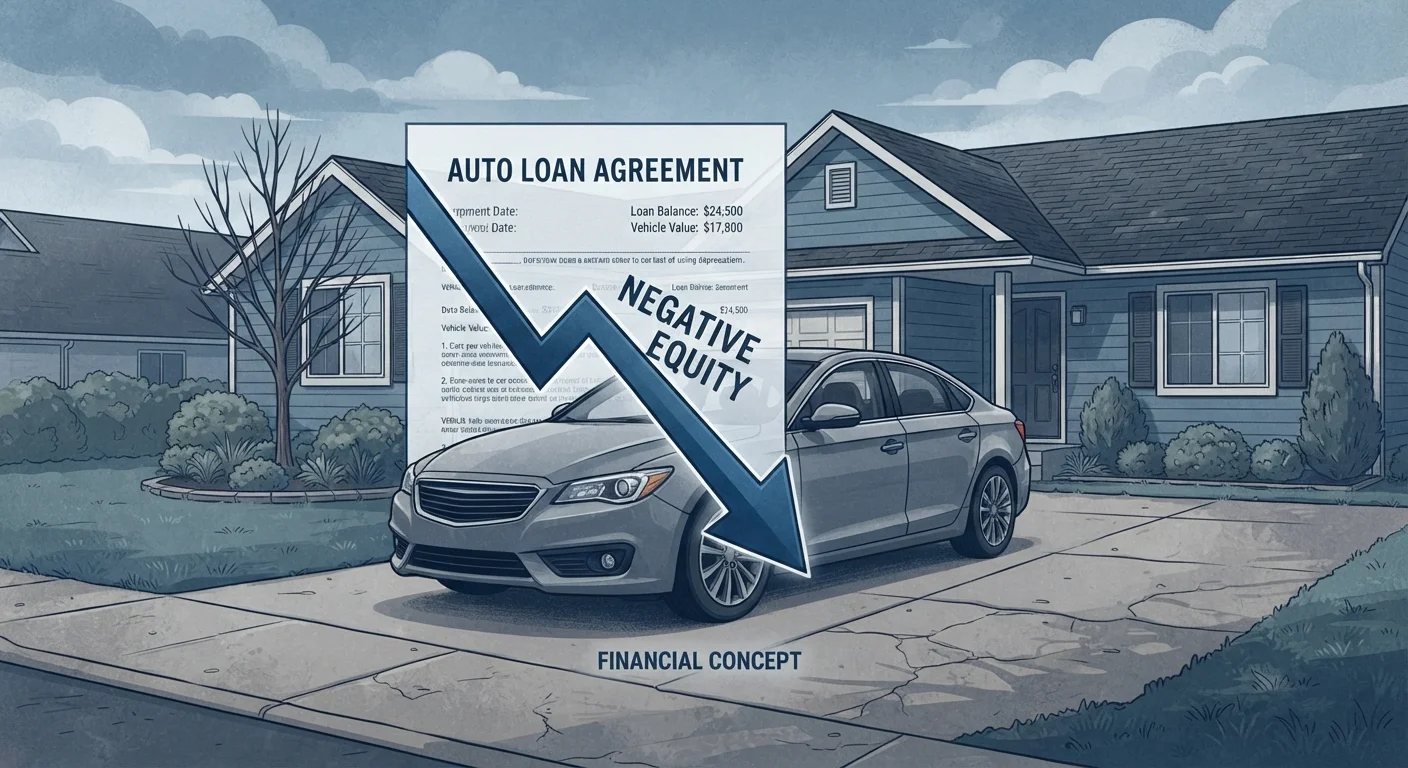
Photo: BridgeWish.com | Reliable Source Of Information editorial
Key Takeaways
- Negative equity means your loan balance exceeds your car's current market value.
- New vehicles typically lose a significant portion of value in the first few years of ownership.
- Long loan terms and low down payments are leading contributors to being upside down.
- Rolling negative equity into a new loan compounds the financial risk.
- Understanding how your loan is structured helps you avoid or recover from negative equity.
What 'Upside Down' Actually Means
The phrase 'upside down' is car-industry shorthand for negative equity - a situation where your outstanding loan balance is greater than what your vehicle is worth on the open market. It's a common position for American car buyers, and it matters in very practical ways.
Suppose you financed a vehicle and still owe $22,000 on the loan, but the car would only sell for $17,000 today. You are $5,000 upside down. If you tried to sell the vehicle privately or trade it in, you'd receive less than you owe - meaning you'd have to come up with that difference to fully pay off the loan. Understanding how your financing terms interact with depreciation is a core part of responsible car ownership, and it starts with knowing how auto loan interest works.
~25%
Typical new car value lost in year one
Industry valuation data consistently shows new vehicles can lose roughly a quarter of their value within the first 12 months of ownership.
~30%
Share of US auto loans with negative equity at trade-in
Automotive market research has repeatedly found that roughly one in three trade-in transactions involves a loan balance that exceeds the vehicle's value.
84 months
Longest common auto loan term available
Seven-year loan terms have grown more common in the US market, significantly extending the window during which borrowers are most likely to carry negative equity.
Why It Happens: Depreciation vs. Loan Payoff
Vehicles are depreciating assets - they lose value over time, and that decline is steepest in the earliest years of ownership. A new car can lose a meaningful percentage of its value within the first year alone, while loan balances shrink more slowly because early payments are weighted heavily toward interest rather than principal.
This mismatch between how fast a car loses value and how fast a loan gets paid down is the core reason negative equity occurs. Several loan structuring choices accelerate the risk:
- Long loan terms: 72- or 84-month loans keep monthly payments lower but extend the period during which the loan balance outpaces the car's value.
- Low or no down payment: Without a meaningful down payment, you start the loan already close to or beyond the vehicle's value after depreciation begins.
- High interest rates: More of each early payment goes to interest rather than reducing principal, slowing equity buildup.
- Rolling over negative equity: If you traded in an upside-down vehicle and added the old loan's remaining balance to a new loan, you started the new loan already in a hole - a pattern explored in detail in our article on financial missteps that make car ownership far more expensive.
The Down Payment Cushion Matters Early
How to Reduce the Risk Going Forward
While being upside down is common, it isn't inevitable. Certain financing habits meaningfully reduce the likelihood of landing there - or limit how far under water you go if you do.
Make a larger down payment. Putting 15-20% down at purchase gives you an immediate equity cushion that helps absorb early depreciation. Choose a shorter loan term. A 48- or 60-month loan builds equity faster than a 72- or 84-month term. Avoid rolling over negative equity. If you must trade in an upside-down vehicle, paying off the gap separately rather than folding it into a new loan prevents compounding debt. Consider GAP coverage. GAP insurance covers the difference between your loan payoff and your vehicle's value in the event of a total loss - a meaningful safeguard when negative equity is unavoidable.
If someone else is helping you qualify for an auto loan, make sure all parties understand the obligations involved. Our overview of what to consider before co-signing a loan covers the risks that are easy to overlook.
This article is for general informational and educational purposes only and does not constitute financial or legal advice. Consult a qualified financial professional regarding your specific circumstances.
Frequently Asked Questions
The content on this site is for informational purposes only and is not a substitute for professional advice. Always consult a qualified professional for guidance specific to your situation.