
Budgeting Myths That Keep People From Starting

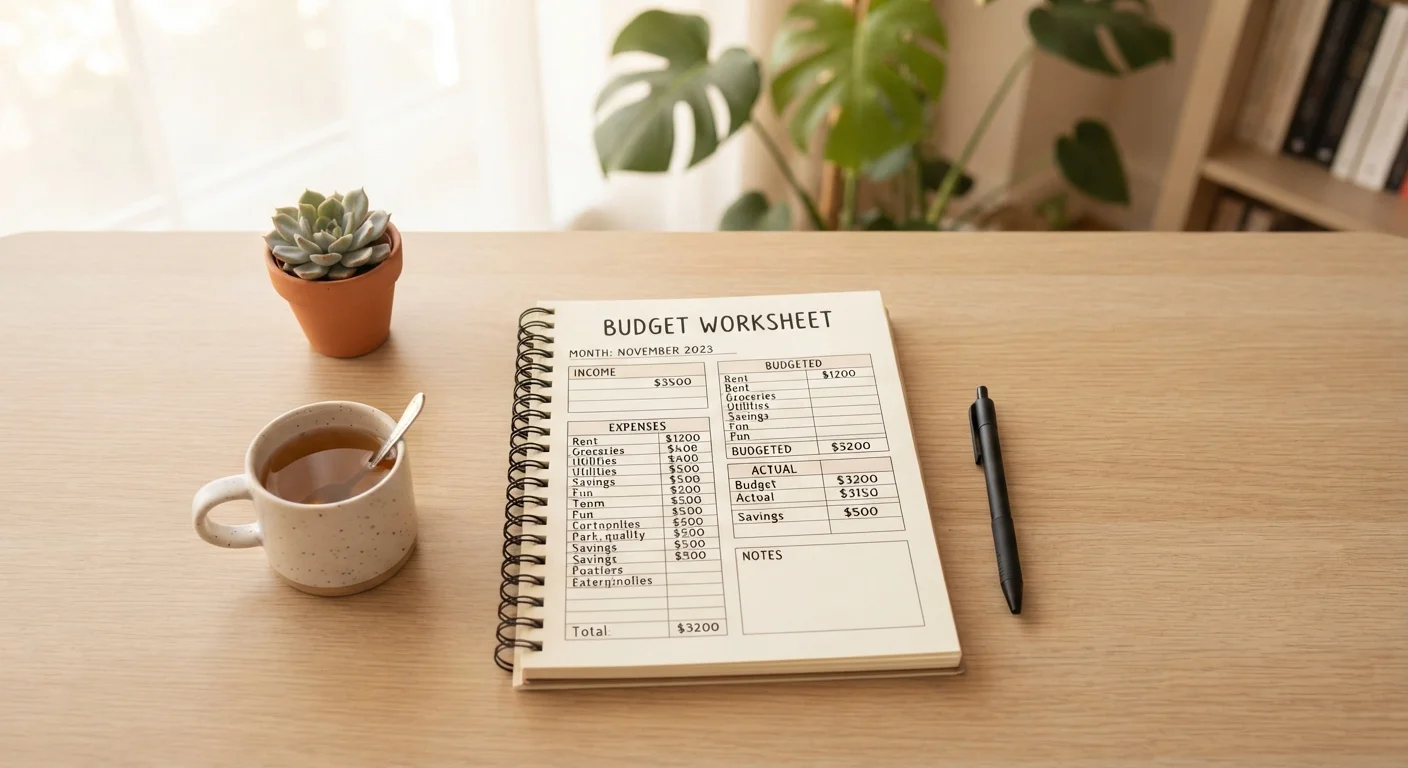
Photo: BridgeWish.com | Reliable Source Of Information editorial
Key Takeaways
- Budgeting is a tool for everyone, not just people struggling with debt or low income.
- A budget doesn't eliminate fun - it gives you permission to spend on what actually matters to you.
- You don't need a perfect financial picture before starting; imperfect action beats inaction.
- Modern budgeting methods are flexible and take minutes, not hours, to maintain.
- Small, irregular incomes can be budgeted - often more easily than most people expect.
Why Budgeting Myths Are So Persistent
Budgeting has a reputation problem. For many Americans, it conjures images of deprivation spreadsheets, financial rock-bottom moments, and the kind of rigid self-denial that seems incompatible with real life. These impressions aren't entirely invented - but they're mostly wrong, and they're keeping people from a habit that has measurable, practical benefits.
The myths below aren't harmless. They function as barriers. Someone who believes budgeting is "only for people with money problems" won't start until there is a money problem - at which point stress makes good habits harder to build. Someone convinced that budgets require giving up everything enjoyable will abandon the first version they try. Clearing these misconceptions up isn't just about accuracy; it's about removing the friction that stops people from getting started at all.
This article is for general informational purposes only and does not constitute personalized financial advice. For guidance tailored to your situation, consider consulting a qualified financial professional.
The Myths - And What's Actually True
These six misconceptions come up repeatedly in conversations about personal finance. Each one has a kernel of cultural logic behind it, but none of them hold up under scrutiny.
Myth
Budgeting is only for people who are in debt or struggling financially.
Fact
Budgeting is useful at every income level and financial situation - including when things are going well.
This is one of the most stubborn misconceptions in personal finance. In reality, a budget is simply a plan for your money - and a plan is valuable whether you have $500 or $50,000 coming in each month. People who budget consistently tend to build savings faster, carry less high-interest debt over time, and report lower financial stress, according to financial counseling research. Waiting until money becomes a problem to start budgeting is a bit like waiting until you're sick to start eating well. The best time to build the habit is before you need it.
Myth
Budgeting means you have to give up everything enjoyable.
Fact
A well-made budget explicitly allocates money for things you enjoy - it doesn't just cut them out.
Restrictive budgeting has a poor reputation because many people start with a version that feels punishing. But the goal of a budget isn't deprivation - it's intentionality. When you know exactly what you're spending on housing, groceries, and utilities, you can see clearly what's left for dining out, hobbies, or travel. Frameworks like the 50/30/20 rule (roughly 50% needs, 30% wants, 20% savings or debt repayment) are designed to preserve space for spending that makes life enjoyable. Budgets that leave no room for fun tend to fail quickly. Read more about strict versus flexible budgeting approaches to find one that fits your life.
Myth
You need to track every single penny for a budget to work.
Fact
Many effective budgets use broad categories and simple rounding - granular tracking is optional, not required.
Hyper-detailed expense tracking works well for some people, but it's not the only path. Methods like zero-based budgeting or simple envelope-style categories can be effective with just a handful of spending buckets. Even a rough monthly plan - knowing approximately how much goes to fixed costs, variable needs, and discretionary spending - is far better than no plan at all. The goal is awareness, not accounting-level precision. If detailed tracking discourages you from starting, choose a simpler system instead.
Myth
If your income is irregular or low, budgeting doesn't really work.
Fact
Irregular and lower incomes often benefit most from budgeting, though the method needs to be adapted.
Freelancers, gig workers, and anyone with variable monthly income can absolutely budget - they just need a slightly different approach. One common method is to budget around a conservative baseline income (say, your lowest typical month) and treat anything above that as a buffer or savings contribution. Another approach is to pay yourself a fixed "salary" from an income-smoothing savings account. The structure matters more than the dollar amount. Many savings myths also apply here - including the idea that low income makes financial planning pointless, which isn't supported by evidence.
Myth
Once you make a budget, you have to stick to it perfectly or it's failed.
Fact
Budgets are living documents - they're meant to be adjusted, not followed rigidly.
One over-budget month doesn't mean your plan is broken. Life involves irregular expenses: car repairs, medical bills, school supplies, gifts. A realistic budget accounts for these by building in a miscellaneous or buffer category, or by revisiting the plan monthly. The habit of returning to your budget - even after it goes off track - is far more important than perfection. Understanding why budgets fail comes down to behavior, not math. Treating a stumble as a reason to quit is one of the most common reasons people abandon financial plans entirely.
Myth
Budgeting takes too much time to be practical for a busy person.
Fact
A functional monthly budget can be reviewed and updated in under 30 minutes using straightforward tools.
The mental image of budgeting as a time-consuming spreadsheet ordeal keeps many people from ever starting. In practice, a simple system - whether a notebook, a free spreadsheet template, or a budgeting app - can be set up in an afternoon and maintained with a brief weekly or monthly check-in. The upfront time investment is real, but it's a one-time effort. Once your categories are established and your income is mapped, maintenance is minimal. Building a budget that reflects your actual household is less about time and more about being honest with yourself about where money is going.
Don't Wait for a Crisis to Start
If you've tried budgeting before and found it unsustainable, the issue is likely the method - not your discipline. Common reasons budgets fall apart often have straightforward fixes once you identify the pattern. Matching the right budgeting structure to your actual income and spending habits is the step most people skip.
Starting Is the Only Step That Matters Right Now
No budget is perfect on the first try. The point isn't to craft a flawless financial plan before you begin - it's to start gathering real information about how your money moves. Even a rough estimate of your monthly income and your three largest expense categories puts you ahead of where most people are.
From there, you can refine. Add categories, adjust amounts, build in a buffer for irregular expenses, and over time develop a system that feels natural rather than punishing. The households that benefit most from budgeting aren't the ones with the most sophisticated spreadsheets - they're the ones that stayed consistent. Building savings habits and reaching financial milestones tends to follow naturally once spending awareness is in place.
A Budget Is a Plan, Not a Prison
The content on this site is for informational purposes only and is not a substitute for professional advice. Always consult a qualified professional for guidance specific to your situation.