
The 50/30/20 Rule Explained: Does It Actually Work for Real Households?

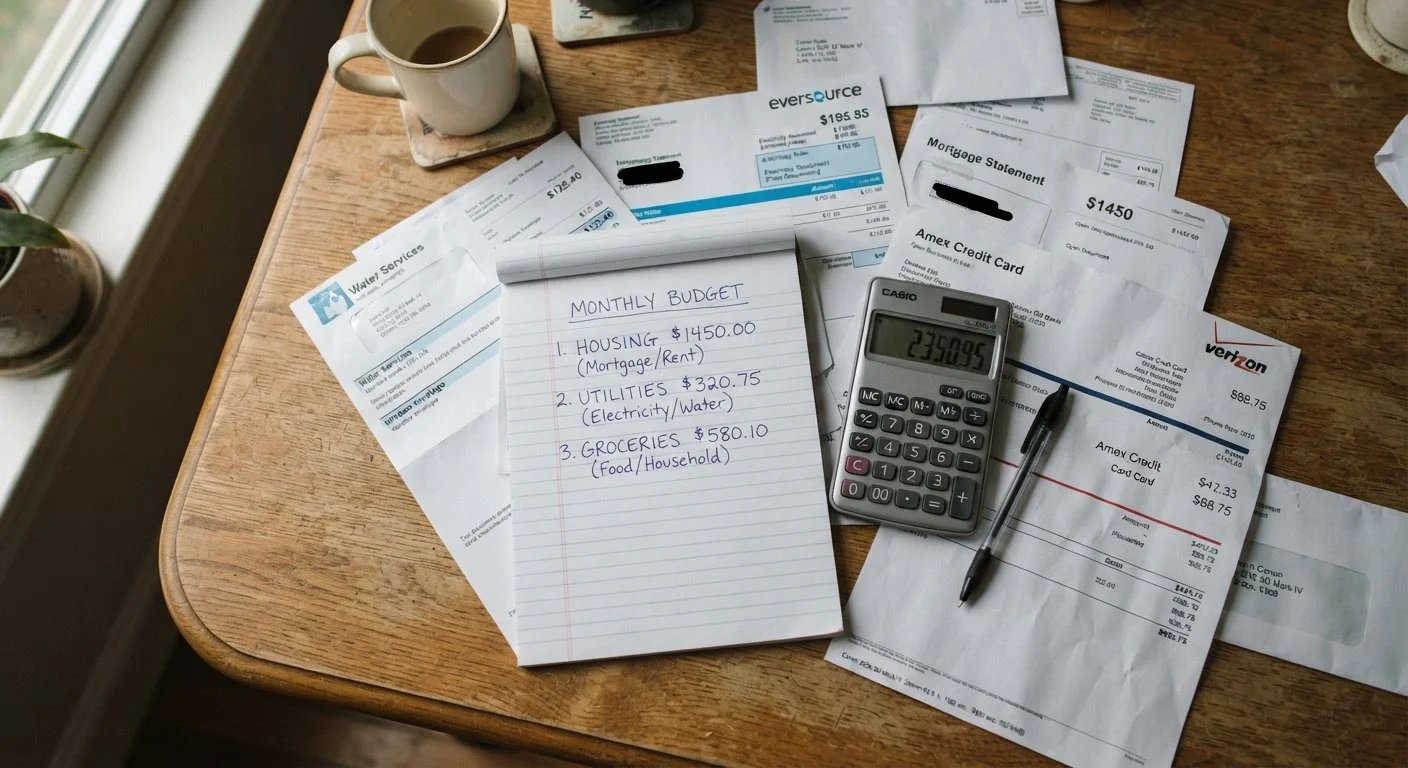
Photo: BridgeWish.com | Reliable Source Of Information editorial
Key Takeaways
- The 50/30/20 rule splits after-tax income into needs, wants, and savings/debt.
- It is a guideline, not a rigid formula - percentages should reflect your actual cost of living.
- Housing costs in high-cost cities often push the 'needs' bucket well above 50%.
- The framework works best as a starting point; most households will need to adapt it.
- Saving 20% is achievable for some but may be aspirational for lower-income households.
How the Three Categories Break Down
The math is straightforward. Take your monthly take-home pay and apply three percentages:
- 50% - Needs: Rent or mortgage, groceries, utilities, health insurance premiums, minimum loan payments, and basic transportation costs.
- 30% - Wants: Streaming services, restaurant meals, vacations, clothing beyond the basics, and hobbies.
- 20% - Savings and debt repayment: Emergency fund contributions, retirement account deposits, and extra debt payments above the minimum.
Example: a household bringing home $5,000 per month after taxes would target $2,500 for needs, $1,500 for wants, and $1,000 for savings and debt. The appeal is simplicity - three numbers replace dozens of line items.
The tricky part is correctly categorizing expenses. A car payment is a need if you require it to get to work; a newer model with a higher payment when a cheaper option would do is partially a want. Honest categorization is where most people stumble.
35%
Average share of income spent on housing by US renters
According to the U.S. Bureau of Labor Statistics Consumer Expenditure Survey, renters routinely spend around a third or more of income on housing alone, often straining the 50% needs target.
57%
Americans living paycheck to paycheck
A 2023 LendingClub report found that a majority of US consumers, across income levels, report little financial cushion - making the 20% savings target aspirational for many households.
$1,000
Monthly savings on a $5,000 take-home income
Applying the 20% savings target to a $5,000 monthly take-home produces $1,000 per month - or $12,000 per year - directed to savings and debt reduction.
Where the Rule Works - and Where It Struggles
The 50/30/20 rule works well for households with moderate incomes in mid-cost-of-living areas, a stable paycheck, and no extraordinary debt load. It provides guardrails without the granularity that overwhelms first-time budgeters.
But the framework has real friction points:
- High housing costs: In cities like San Francisco, New York, or Boston, rent alone can consume 40-50% of a median income before a single grocery run. The needs bucket overflows, and something else has to give.
- Low incomes: When essentials consume 70-80% of take-home pay, the rule's math simply doesn't fit. Forcing 20% into savings isn't possible without cutting food or utilities.
- Significant debt: Households carrying large student loan balances or medical debt often find that minimum payments plus housing leaves almost nothing for the other buckets.
For these situations, treating the rule as a framework rather than a formula is the more practical approach. Adjust the percentages to match your reality, then work toward the ideals over time.
Start With Where You Are, Not Where You Should Be
Adapting the Rule to Your Actual Household
The most useful thing you can do is run your current numbers honestly before deciding whether to adopt the framework at all. Track one month of actual spending, then map each expense to needs, wants, or savings. The gap between where you are and where the rule suggests you should be becomes your roadmap, not a judgment.
A few practical adaptations used by financial educators:
- 60/20/20 or 70/20/10: Households with unavoidably high fixed costs often shift the needs percentage upward and trim wants first.
- Pay yourself first: Automate a savings transfer the day your paycheck lands - even a smaller percentage - before wants spending begins. This protects the 20% from getting crowded out.
- Separate debt from savings: Some planners split the 20% into two explicit buckets - one for building savings, one for aggressive debt paydown - so neither gets neglected.
If the 50/30/20 rule feels like a reasonable fit, building a budget around your specific income and expenses gives you a structured way to move from the framework to a working plan.
“A good financial plan is one you can actually follow. A budget that looks perfect on paper but collapses after two weeks serves no one.”
— Amelia Warren Tyagi, Co-author of 'All Your Worth' and personal finance advocate
This article is for general informational purposes only and does not constitute personalized financial advice. Consult a licensed financial professional for guidance specific to your situation.
Frequently Asked Questions
The content on this site is for informational purposes only and is not a substitute for professional advice. Always consult a qualified professional for guidance specific to your situation.