
What a Household Budget Actually Is (And Why Most People Misunderstand It)

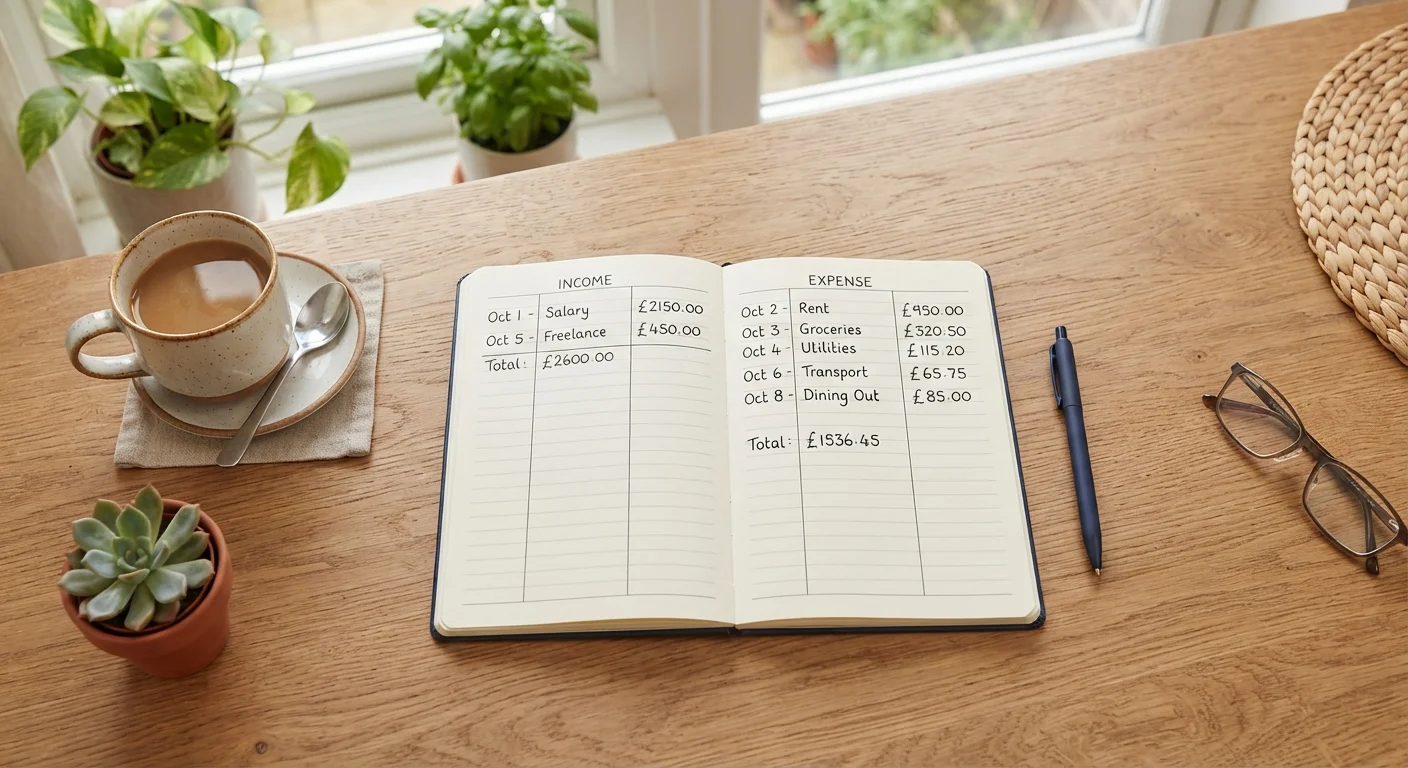
Photo: BridgeWish.com | Reliable Source Of Information editorial
Key Takeaways
- A household budget is a spending plan, not a spending restriction.
- Budgets work for any income level - they aren't only for people in financial trouble.
- The goal is to ensure your money goes where you actually want it to go.
- Most budgets fail because they're built around an ideal life, not real spending habits.
- Revisiting and adjusting your budget regularly is a normal part of the process.
The Most Common Misunderstanding About Budgeting
Most people hear the word "budget" and think: I have to stop spending on things I enjoy. That association is the single biggest reason people avoid budgeting - and it's based on a misconception.
A household budget doesn't tell you what you can't do with your money. It tells you what you are doing with it - and lets you decide if that lines up with what you actually want. There's a significant difference between a constraint and a plan.
The confusion often comes from how budgets get discussed: as tools to "cut back," "tighten up," or "rein in" spending. That framing positions budgeting as punishment rather than as decision-making. In practice, many households discover that simply writing down where their money goes - without changing a single habit - gives them clarity they didn't have before.
Budgets Work at Every Income Level
What a Household Budget Actually Contains
A functioning household budget has two core components: income and expenses. Income includes every source of money coming into the household - wages, freelance payments, child support, rental income, or any other regular or semi-regular inflow. The figure that matters is take-home pay (after taxes), not gross income.
Expenses fall into two categories. Fixed expenses stay the same each month - rent or mortgage payments, loan repayments, insurance premiums. Variable expenses fluctuate - groceries, utilities, fuel, clothing. A complete budget also accounts for irregular costs that don't show up every month but are entirely predictable: car registration, holiday gifts, annual subscriptions, medical co-pays.
Many budgets fail not because the math is wrong, but because irregular expenses are ignored. When a $400 car repair hits, it feels like a crisis - even though car repairs are a routine part of owning a vehicle. A realistic budget builds in an estimate for these costs.
For a plain-language guide to the terms you'll encounter, see Budget Terms Every Consumer Should Know.
~32%
Americans who maintain a detailed household budget
According to Gallup polling, fewer than one-third of American households report keeping a detailed monthly budget.
$1,400+
Average monthly spending gap households underestimate
Research by the Consumer Financial Protection Bureau has found that households frequently underestimate their monthly spending, particularly in variable and discretionary categories.
Why Budgets That Look Perfect on Paper Often Don't Work
The most common budget failure isn't overspending - it's under-estimating. People build budgets based on what they wish they spent rather than what they actually spend. A household that spends $900 a month on groceries budgets $500, then wonders why the plan keeps collapsing.
The fix isn't willpower. It's accuracy. Before building a budget, spend two to four weeks tracking real spending. Use bank and card statements - they don't lie. Then build a budget grounded in actual behavior, adjusted toward your goals rather than invented from scratch.
It's also worth examining the assumptions that stop people from starting at all. "I don't earn enough to budget" and "budgets are for people in debt" are two of the most persistent myths in personal finance. Money Myths That Keep People from Starting a Budget addresses both directly.
Start With What You Actually Spend
What a Budget Is Actually Trying to Do
At its core, a household budget is trying to answer one question: Is the way I'm spending my money actually aligned with what matters to me? That's it. It's not about frugality as a value. It's about intention.
Someone who budgets carefully and allocates $200 a month to dining out isn't doing it wrong - they've made a deliberate choice. Someone who spends $200 a month on dining out without knowing it, while wondering why they can't save, is in a fundamentally different position even though the dollar amounts are identical.
A budget makes the invisible visible. Once you can see where your money goes, you can make real choices about it. That's the whole point.
Ready to put this into practice? Building a Budget That Actually Reflects Your Life walks through the full process from income to irregular costs to long-term goals. Or, if you want an end-to-end reference, A Complete Guide to Managing a Household Budget covers everything in one place.
This article is for general informational purposes only and does not constitute personalized financial advice. Consider consulting a qualified financial professional for guidance specific to your situation.
Frequently Asked Questions
The content on this site is for informational purposes only and is not a substitute for professional advice. Always consult a qualified professional for guidance specific to your situation.