
Emergency Fund vs. Sinking Fund: Two Tools, Very Different Jobs

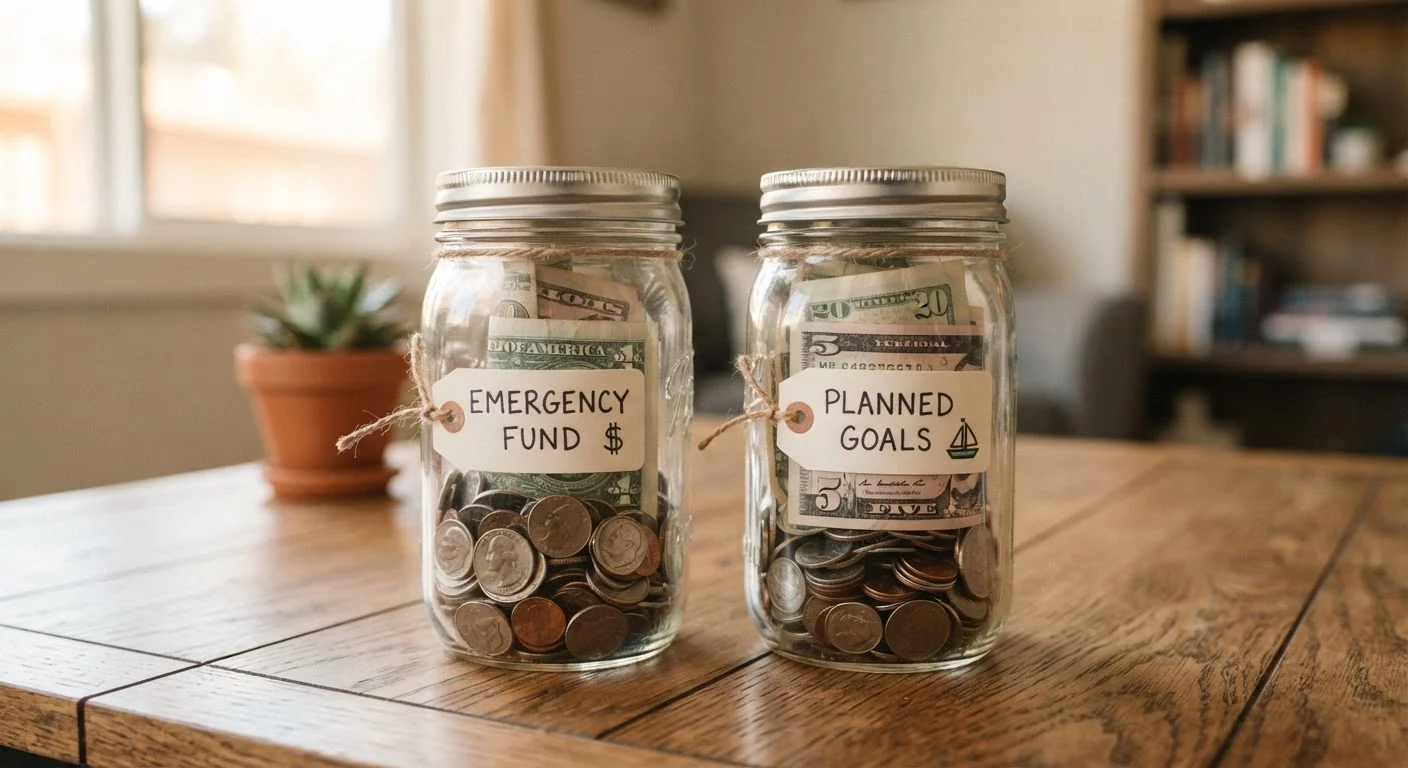
Photo: BridgeWish.com | Reliable Source Of Information editorial
Key Takeaways
- Emergency funds cover surprise expenses; sinking funds cover planned, anticipated ones.
- An emergency fund is typically sized at three to six months of essential living expenses.
- A sinking fund has a fixed target and a clear deadline, making it easier to calculate monthly contributions.
- Both tools reduce reliance on credit cards or loans when money runs short.
- Keeping the two funds separate prevents confusion and helps each serve its intended purpose.
The Core Difference: Surprise vs. Plan
The simplest way to tell these two savings tools apart is to ask one question: Do you know this expense is coming?
An emergency fund exists for costs you cannot predict - a sudden job loss, an unexpected medical bill, a burst pipe, or a car transmission that gives out without warning. It is a defensive reserve held in cash or a liquid savings account, ready to deploy whenever life doesn't go as planned.
A sinking fund, by contrast, is built around expenses you know are coming, even if the exact timing or amount varies slightly. Annual car insurance renewals, holiday gifts, a planned vacation, a new appliance you know you'll need - these are sinking fund territory. You set a target, set a timeline, and divide the total into equal monthly contributions.
Both funds typically sit in savings accounts, which is why people often confuse them. But mixing the two in a single account can lead to inadvertently draining your emergency cushion on a planned expense - or worse, feeling like you have more of a safety net than you actually do. For a broader look at how goal timelines should shape where you keep money, see our guide to matching accounts to goals.
| Criterion | Emergency Fund | Sinking Fund |
|---|---|---|
| Purpose | Cover unexpected financial shocks | Pre-save for known future expenses |
| Expense type | Unpredictable, irregular | Predictable, planned |
| Target amount | 3-6 months of essential expenses | Specific dollar goal per expense |
| Timeline | Ongoing; no fixed end date | Fixed deadline tied to the expense |
| Replenishment | Rebuild after each withdrawal | Resets to zero and restarts each cycle |
| Examples | Job loss, ER visit, major car repair | Annual insurance, vacation, holiday gifts |
How to Size and Build Each Fund
Emergency fund sizing is generally guided by your essential monthly expenses - housing, utilities, food, minimum debt payments, and transportation. Most personal finance guidance suggests targeting three to six months of those core costs, though households with variable income or dependents may aim higher. The first milestone many people set is a smaller starter amount - commonly cited in the $500-$1,000 range - just to break the cycle of turning to credit cards for minor surprises. For a more detailed breakdown of how emergency funds work and why they're foundational, our Emergency Funds Explained article covers the full picture.
57%
Americans unable to cover a $1,000 emergency
A Bankrate survey found that more than half of U.S. adults could not pay an unexpected $1,000 expense from savings alone.
3-6 months
Commonly recommended emergency fund range
Most personal finance guidance suggests this range of essential expenses, though individual circumstances vary widely.
Sinking fund sizing is more straightforward: identify the total cost and your deadline, then divide. Planning to spend $1,200 on holiday gifts in December? If it's currently April, that's eight months away - meaning you need to set aside $150 per month. The math is transparent, which makes sinking funds easier to slot into a monthly budget. Most households run several sinking funds at once - one for car maintenance, one for travel, one for annual subscriptions - often in separate labeled sub-accounts or envelopes.
Both funds work best when contributions are automatic and consistent. Treating them like fixed expenses - not optional line items - keeps progress steady even when month-to-month spending fluctuates. See how these funds fit into the bigger budgeting picture in our article on how emergency funds and budgets work together.
This article provides general financial education and is not personalized financial advice. For guidance tailored to your situation, consult a qualified financial professional.
The content on this site is for informational purposes only and is not a substitute for professional advice. Always consult a qualified professional for guidance specific to your situation.