
Sinking Funds vs. Emergency Funds: Two Different Tools for Two Different Purposes

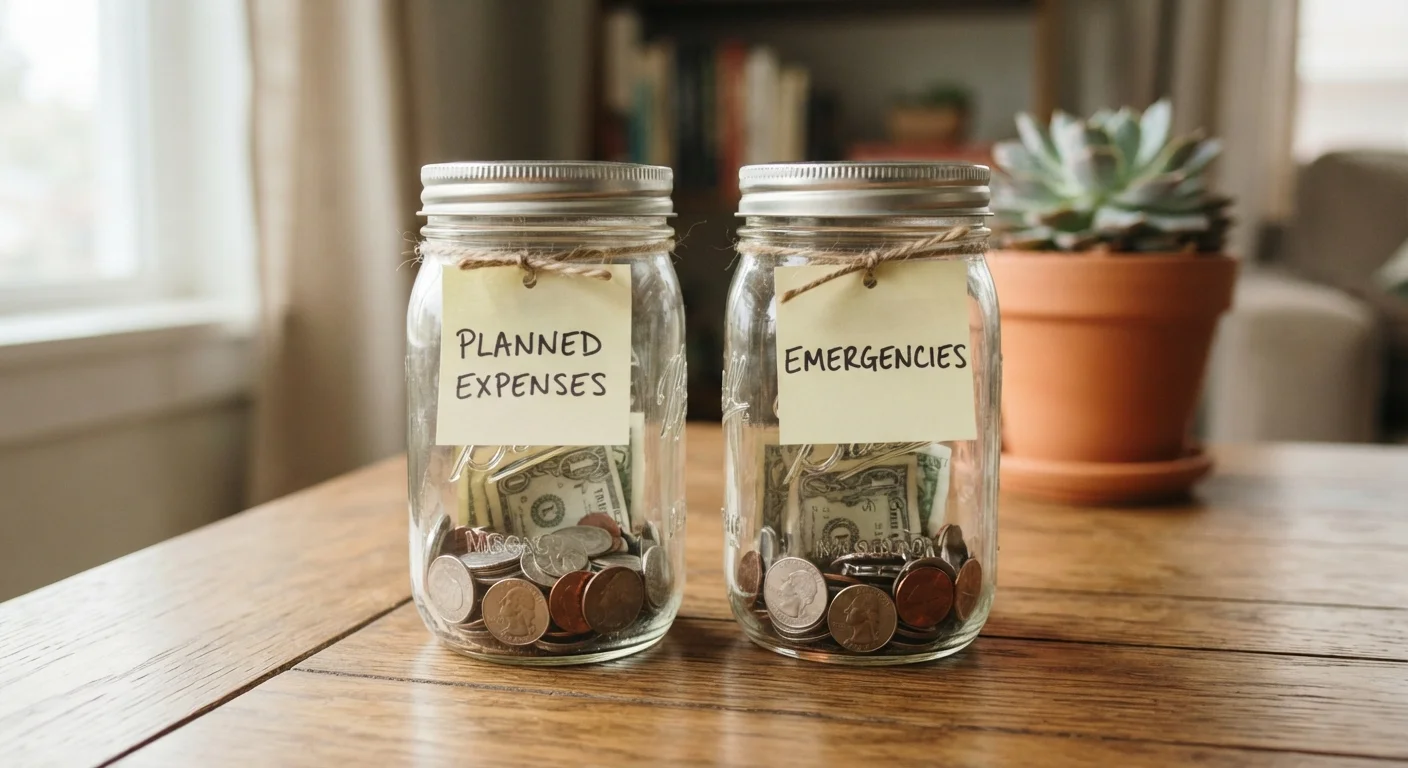
Photo: BridgeWish.com | Reliable Source Of Information editorial
Key Takeaways
- Emergency funds cover unexpected, unplanned financial shocks — not predictable expenses.
- Sinking funds are purpose-built savings buckets for known, upcoming costs.
- Both tools work together; using one as the other undermines your financial stability.
- Most households benefit from maintaining both simultaneously.
- Starting small with consistent contributions builds both funds over time.
The Core Difference: Planned vs. Unplanned
Many people use the terms "emergency fund" and "sinking fund" interchangeably — or don't know the second one exists at all. But these two savings tools serve fundamentally different purposes, and conflating them can leave you financially exposed.
An emergency fund is a reserve set aside exclusively for genuine financial emergencies: unexpected job loss, a sudden medical bill, or a car breaking down without warning. It's money you hope never to touch. The defining characteristic is that you cannot predict when — or whether — you'll need it.
A sinking fund, by contrast, is savings you build intentionally toward a specific, known future expense. Annual car registration, holiday gifts, a home appliance you know will need replacing — these are predictable costs that can be planned for in advance, broken into manageable monthly contributions, and paid without stress when the bill arrives.
The distinction matters because raiding your emergency fund for planned expenses slowly erodes your safety net. See how emergency funds and budgets work together for more on why keeping these funds separate is a foundational budgeting principle.
How Each Fund Works in Practice
Understanding the mechanics of each fund makes it easier to build and manage them.
Emergency Fund Basics
Financial guidance commonly suggests holding three to six months of essential living expenses in an emergency fund, though the right amount varies by household based on job stability, income sources, and dependents. The money is typically kept in a liquid, low-risk account — such as a high-yield savings account — where it's accessible quickly but not so convenient that you're tempted to spend it casually. For a deeper look at why this is considered a foundational step, see emergency funds explained.
Sinking Fund Basics
A sinking fund starts with identifying a known future expense and a target date. Divide the total cost by the number of months until you need it, and that's your monthly contribution. For example, if you expect to spend $1,200 on holiday gifts and have 12 months to save, you set aside $100 per month. Many people maintain multiple sinking funds simultaneously — one for car maintenance, one for travel, one for home repairs — either in separate labeled savings accounts or tracked as sub-accounts within one institution.
| Emergency Fund | Sinking Fund | |
|---|---|---|
| Purpose | Cover unexpected financial shocks | Save for known future expenses |
| Predictability | Unpredictable — you don't know when or if | Predictable — you set the target and date |
| Target Amount | 3–6 months of essential expenses | Cost of specific planned expense |
| Contribution Method | Regular deposits until target is met | Divide goal by months remaining |
| When to Use It | Job loss, medical crisis, urgent repairs | Car registration, holidays, home appliances |
| Number of Funds | Typically one consolidated fund | Multiple funds for different goals |
| Replenishment | Rebuild after each use | Refill after each planned expense cycle |
Common Mistakes That Blur the Lines
Don't Raid Your Emergency Fund for Predictable Costs
The most common mistake is using an emergency fund as a general-purpose savings account. Every time you pull from it for a predictable expense — back-to-school shopping, a known insurance premium, or a planned vacation — you reduce the buffer that's supposed to protect you when something truly unexpected happens. Rebuilding an emergency fund takes time, and if another crisis hits before you've replenished it, you may be forced into high-interest debt.
On the flip side, treating every unexpected expense as an emergency can lead to over-saving in a single fund while neglecting planned financial goals. Not every surprise is a true emergency — a car needing new tires after 50,000 miles, for instance, is foreseeable. Building a vehicle maintenance sinking fund handles this without touching emergency reserves.
Understanding how short-term and long-term savings goals differ can help you assign each savings purpose to the right bucket.
Building Both on a Tight Budget
Start With a Mini Emergency Fund First
A frequent question is whether households on tight budgets should prioritize one fund over the other. A practical approach is to start a small emergency fund first — even $500 to $1,000 provides a meaningful buffer against minor crises — and then begin contributing to sinking funds for near-term known expenses while continuing to grow the emergency reserve over time.
The goal is progress, not perfection. Even $25 per month toward a car repair sinking fund reduces the chance you'll need to dip into emergency savings when something breaks. Over time, both funds grow and reinforce each other, reducing financial stress and reliance on credit cards for unexpected costs.
For guidance on choosing the right type of savings account for each goal, matching the account to the goal offers a helpful framework. And if you want to see how these tools fit into your broader household budget, explore budgeting basics for practical strategies.
This article is for general informational purposes only and does not constitute personalized financial advice. Consult a qualified financial professional for guidance tailored to your individual circumstances.
The content on this site is for informational purposes only and is not a substitute for professional advice. Always consult a qualified professional for guidance specific to your situation.