
Common Nutrient Gaps in American Diets and the Foods That Fill Them

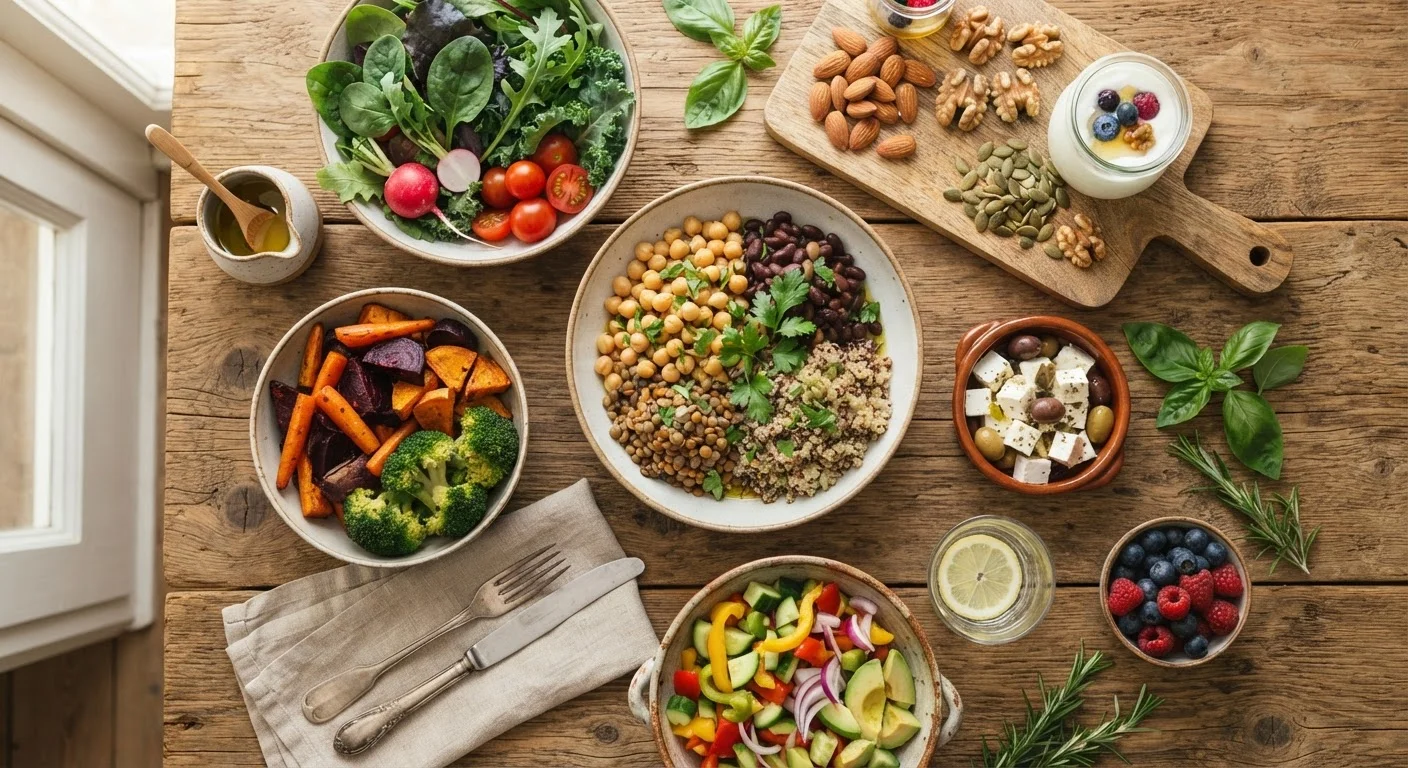
Photo: BridgeWish.com | Reliable Source Of Information editorial
Key Takeaways
- National dietary surveys show that most US adults fall short on potassium, calcium, vitamin D, magnesium, and fiber.
- Each nutrient gap can be addressed by shifting toward specific whole-food categories rather than supplements alone.
- Understanding which foods supply which nutrients makes grocery shopping a more intentional, targeted exercise.
- No single food fills every gap — a varied diet drawing from multiple food groups is the most reliable strategy.
Why These Gaps Are So Common
The nutrients most likely to fall short in American diets aren't exotic or hard to find — they're simply underrepresented in a food environment dominated by refined grains, processed snacks, and foods low in fruits, vegetables, and legumes. The Dietary Guidelines for Americans identify a set of "nutrients of public health concern" based on national survey data, because inadequate intake is linked to adverse health outcomes at a population level.
Understanding which nutrients are consistently low — and which foods supply them — puts practical, actionable knowledge in your hands. This isn't about following any particular diet; it's about recognizing patterns and making targeted improvements. For broader context on foundational nutrition principles, the Healthy Eating Basics hub is a useful starting point.
Make One Swap at a Time
Six Nutrients Worth Paying Attention To
Potassium
Potassium plays a central role in regulating blood pressure, fluid balance, and muscle function. Despite its importance, surveys such as the NHANES data analyzed in the Dietary Guidelines for Americans consistently identify it as a nutrient most US adults fall short on.
The gap is largely a fruit-and-vegetable problem. Bananas are well known for potassium, but they're not even close to the top sources. Cooked white beans, lentils, baked potatoes (with skin), spinach, and sweet potatoes all deliver substantially more per serving. Canned tomato products — including paste and sauce — are also concentrated sources that fit easily into everyday cooking.
Cooked white beans and baked potatoes outperform bananas as potassium sources by a wide margin.
Calcium
Calcium is critical for bone density, nerve signaling, and muscle contraction — and it's not only a concern for older adults. Many younger Americans, particularly those who limit dairy, consume well below the recommended amounts.
Dairy foods (milk, plain yogurt, cheese) remain among the most bioavailable sources, meaning the body absorbs a high proportion of the calcium they contain. For those who avoid dairy, fortified plant-based milks, canned sardines and salmon with edible bones, firm tofu made with calcium sulfate, and cooked bok choy or kale are practical alternatives. Note that while spinach contains calcium, its high oxalate content reduces absorption significantly.
Canned sardines with edible bones are a surprisingly rich calcium source often overlooked in non-dairy planning.
Vitamin D
Vitamin D supports calcium absorption, immune regulation, and bone health. It is synthesized when skin is exposed to sunlight — but factors including indoor lifestyles, sunscreen use, geographic latitude, and skin pigmentation mean that many Americans cannot rely on sun exposure to meet their needs year-round.
Food sources are limited but important: fatty fish (salmon, mackerel, sardines), egg yolks, and beef liver contain natural vitamin D. Fortified foods — particularly cow's milk, many plant-based milks, and some breakfast cereals — are where most Americans actually get the majority of their dietary vitamin D. If you're concerned about your status, a healthcare provider can order a blood test to assess your levels before any supplementation decisions are made.
Most Americans get the bulk of their dietary vitamin D from fortified milk and fortified breakfast cereals.
Magnesium
Magnesium is involved in over 300 enzymatic reactions, including energy production, protein synthesis, and blood glucose regulation. It's found primarily in plant foods — which is consistent with the general pattern of low intake in diets heavy in processed and refined foods.
Pumpkin seeds are one of the most concentrated food sources of magnesium available. Other reliable options include almonds, cashews, black beans, edamame, whole-grain bread, and cooked spinach. Choosing whole grains over refined grains makes a meaningful difference here, since much of the magnesium in grain is found in the bran and germ — components stripped out during refining.
Choosing whole grains over refined ones is one of the simplest upgrades for improving daily magnesium intake.
Dietary Fiber
Fiber consistently ranks among the most under-consumed nutrients in the US diet. It supports digestive regularity, feeds beneficial gut bacteria, helps moderate blood sugar responses after meals, and contributes to satiety. Both soluble fiber (found in oats, legumes, and some fruits) and insoluble fiber (found in wheat bran, vegetables, and whole grains) play important roles.
The practical strategy is straightforward: eat more whole plant foods and fewer refined ones. Legumes — lentils, chickpeas, black beans — are among the most fiber-dense foods widely available at any price point. For a deeper look at why the fiber gap is so wide and how to address it day to day, see our guide to dietary fiber.
Legumes are among the most fiber-dense and affordable foods available at any grocery store.
Vitamin A (as Preformed and Provitamin A)
Vitamin A supports vision, immune function, and cell growth. It exists in two main dietary forms: preformed vitamin A (retinol), found in animal products, and provitamin A carotenoids (most notably beta-carotene), found in colorful plant foods. The body converts beta-carotene to vitamin A as needed.
Orange and deep-yellow vegetables are the easiest visual cue: sweet potatoes, carrots, butternut squash, and red bell peppers are all rich in beta-carotene. Among animal sources, beef liver is exceptionally concentrated — a small portion can meet multiple days' worth of need. Dark leafy greens like spinach and kale also contribute, despite their green color masking the carotenoids present.
The deep orange color of sweet potatoes and carrots signals a high concentration of vitamin A precursors.
Supplements vs. Food-First Approaches
Putting It Into Practice
No single food or meal plan addresses all of these gaps at once, but the overlap between food sources is encouraging: legumes contribute fiber, magnesium, and potassium simultaneously; dairy provides calcium and vitamin D together; fatty fish delivers both vitamin D and high-quality protein. Building meals around a variety of whole, minimally processed foods naturally nudges intake upward across multiple nutrients at once.
If you're curious about one specific gap in more depth, our detailed look at dietary fiber covers the practical and physiological reasons why fiber deserves special attention. For a broader survey of shortfall nutrients across vitamins and minerals, see the overview of commonly under-consumed nutrients.
This article is for general informational and educational purposes only and is not a substitute for professional medical or dietary advice. Consult a qualified healthcare provider or registered dietitian before making significant changes to your diet, particularly if you have a medical condition or specific nutritional concerns.
The content on this site is for informational purposes only and is not a substitute for professional advice. Always consult a qualified professional for guidance specific to your situation.