
Mindfulness Without the Jargon: A Practical Overview

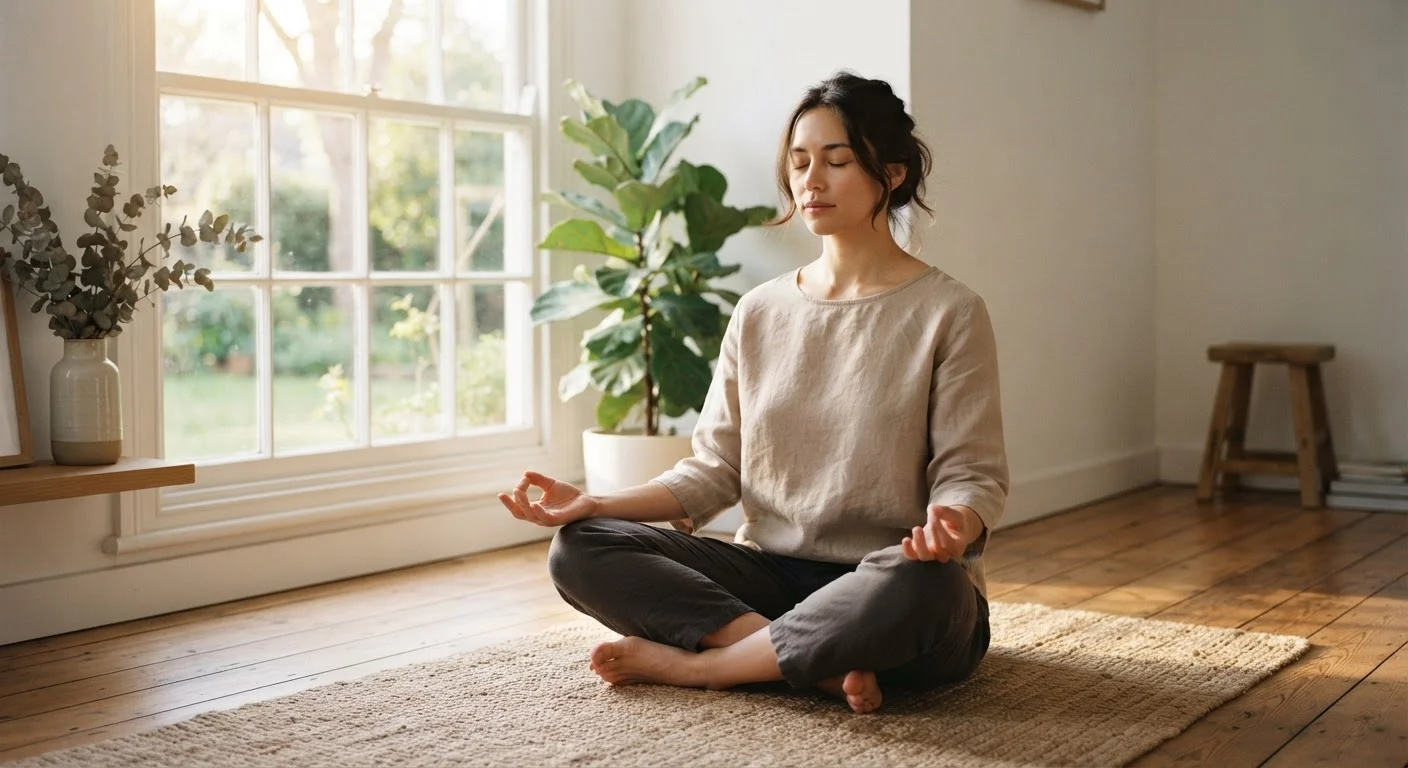
Photo: BridgeWish.com | Reliable Source Of Information editorial
Key Takeaways
- Mindfulness is the practice of paying attention to the present moment without judgment.
- Research supports its role in reducing stress, anxiety, and improving emotional regulation.
- You don't need an app, a cushion, or prior experience to start practicing.
- Mindfulness complements but does not replace professional mental health care.
- Even brief, consistent practice produces measurable benefits over time.
What Mindfulness Actually Means
At its core, mindfulness means paying deliberate attention to what is happening right now — your breath, your surroundings, your thoughts — without layering on judgment or trying to change what you notice. The concept has roots in Buddhist contemplative traditions but has been adapted into a secular, evidence-based framework used in clinical and everyday settings for decades.
The working definition used in most research comes from psychologist Jon Kabat-Zinn, who developed Mindfulness-Based Stress Reduction (MBSR) in the late 1970s: awareness that arises from paying attention, on purpose, in the present moment, non-judgmentally. That last word — non-judgmentally — is where many people get stuck. It doesn't mean approving of everything you feel; it means observing thoughts and sensations without immediately labeling them as good, bad, or threatening.
For a deeper look at how mindfulness fits into the broader mental wellness picture, see the comprehensive mental wellness guide covering emotional habits and stress across daily life.
The Science Behind the Practice
Mindfulness is not a wellness trend built on anecdote. Decades of peer-reviewed research — including randomized controlled trials — have found associations between regular mindfulness practice and measurable reductions in self-reported stress, anxiety, and depressive symptoms. It has also been linked to improvements in focus and emotional regulation.
47%
Of waking time spent mind-wandering
A Harvard study found nearly half of waking hours are spent thinking about something other than the current activity — linked to lower reported happiness.
8 weeks
Duration of standard MBSR program
The Mindfulness-Based Stress Reduction program developed by Jon Kabat-Zinn runs eight weeks and remains the most widely researched mindfulness intervention.
~30%
Reduction in anxiety symptoms
A meta-analysis published in JAMA Internal Medicine found mindfulness meditation programs showed moderate evidence of reducing anxiety symptoms across multiple studies.
Neuroimaging studies suggest that consistent mindfulness practice is associated with changes in brain regions involved in attention, self-referential thought, and emotional processing, including the prefrontal cortex and the amygdala. Researchers caution that the field is still evolving and that effect sizes vary across studies and populations. What the evidence does consistently support is that mindfulness is a low-risk, accessible tool worth understanding — not a cure-all.
Mindfulness-Based Cognitive Therapy (MBCT), which combines mindfulness techniques with elements of cognitive behavioral therapy, has been recommended by clinical bodies in several countries as a maintenance strategy for people with recurrent depression. That distinction matters: it is used alongside professional care, not instead of it.
Common Forms of Mindfulness Practice
There is no single correct way to practice mindfulness. The following are among the most widely studied and used approaches:
- Breath awareness: Focusing sustained attention on the physical sensations of breathing — the rise and fall of the chest, the temperature of air entering the nose. When the mind wanders (and it will), the practice is simply to notice and return attention to the breath.
- Body scan: Slowly directing attention through different parts of the body, noticing sensations without trying to relax or change them. Often done lying down.
- Mindful movement: Practices like yoga, tai chi, and walking meditation use deliberate, slow physical movement as the anchor for present-moment attention.
- Open monitoring: Rather than anchoring on one object, the practitioner observes whatever arises in awareness — sounds, thoughts, feelings — without getting caught up in any of them.
- Informal practice: Bringing the same quality of attention to everyday activities — eating, washing dishes, walking — rather than setting aside a formal session.
Anchor your informal practice to an existing daily habit — brewing coffee, brushing teeth, or waiting for a page to load — rather than trying to carve out a separate session.
If breath focus feels difficult or triggering, try grounding attention in sound — simply noticing and naming ambient sounds without evaluation. It accomplishes the same attentional goal.
Structured programs like MBSR typically run eight weeks and involve both group sessions and home practice. Many people, however, begin with shorter, self-guided practices and build from there.
What Mindfulness Is Not
Misconceptions about mindfulness can discourage people before they even start. It is worth clearing up the most common ones.
Secular vs. Traditional Mindfulness
It is not about clearing your mind. The goal is not to stop thinking — that is not physiologically possible for extended periods. The practice involves noticing that the mind has wandered and gently returning attention. Thoughts are expected; they are part of the exercise, not a sign of failure.
It is not a religious practice in its secular clinical form, though its origins are Buddhist. The version most commonly encountered in healthcare and wellness contexts is entirely non-sectarian.
It is not passive or avoidant. Some critics conflate mindfulness with detachment or suppressing emotions. Done correctly, it involves actively turning toward difficult experiences with curiosity rather than avoidance.
If you've encountered conflicting claims about what mindfulness can or cannot do, common mental wellness myths addresses several widespread misconceptions with evidence-based context.
Getting Started Without Overthinking It
One of the most cited barriers to starting a mindfulness practice is the belief that it requires special preparation, equipment, or a significant time commitment. Research suggests even short, consistent sessions — some studies examine five to ten minutes daily — can produce benefits when maintained over weeks.
Start Smaller Than You Think You Need To
A simple starting point: sit comfortably, set a timer for five minutes, and focus on the sensation of breathing. When you notice your attention has drifted to a thought or sound, gently redirect it — no frustration necessary. That act of noticing and returning is the practice itself.
For those who prefer guided sessions, a range of audio programs and apps are available, though none is required. Libraries and community health centers often offer free or low-cost MBSR-adjacent programs. Consistency matters far more than duration or method.
Unfamiliar with some of the terminology you've encountered in mindfulness resources? The plain-language mental wellness glossary defines concepts like nervous system regulation and cognitive distortions in accessible terms.
When to Seek Professional Support
Mindfulness is a general wellness practice, not a substitute for mental health treatment. If you are experiencing persistent low mood, anxiety that interferes with daily functioning, intrusive thoughts, or any symptoms that concern you, speaking with a qualified healthcare provider or mental health professional is the appropriate next step.
Not a Replacement for Mental Health Care
Mindfulness-based programs are used as adjuncts within clinical care for certain conditions, but they should be introduced under appropriate guidance in those contexts. This article is general health information, not personal medical advice. Please consult a licensed professional for any concerns about your mental health.
Understanding the landscape of mental health terminology can also help you have more productive conversations with providers. The mental health terms glossary offers plain-English definitions for anxiety disorders, neuroplasticity, and other concepts you may encounter.
This article is for general informational purposes only and does not constitute medical or psychological advice. Always consult a qualified healthcare professional regarding any mental health concerns or before making changes to your care.
The content on this site is for informational purposes only and is not a substitute for professional advice. Always consult a qualified professional for guidance specific to your situation.