
Sleep, Mood, and the Brain: Understanding the Connection

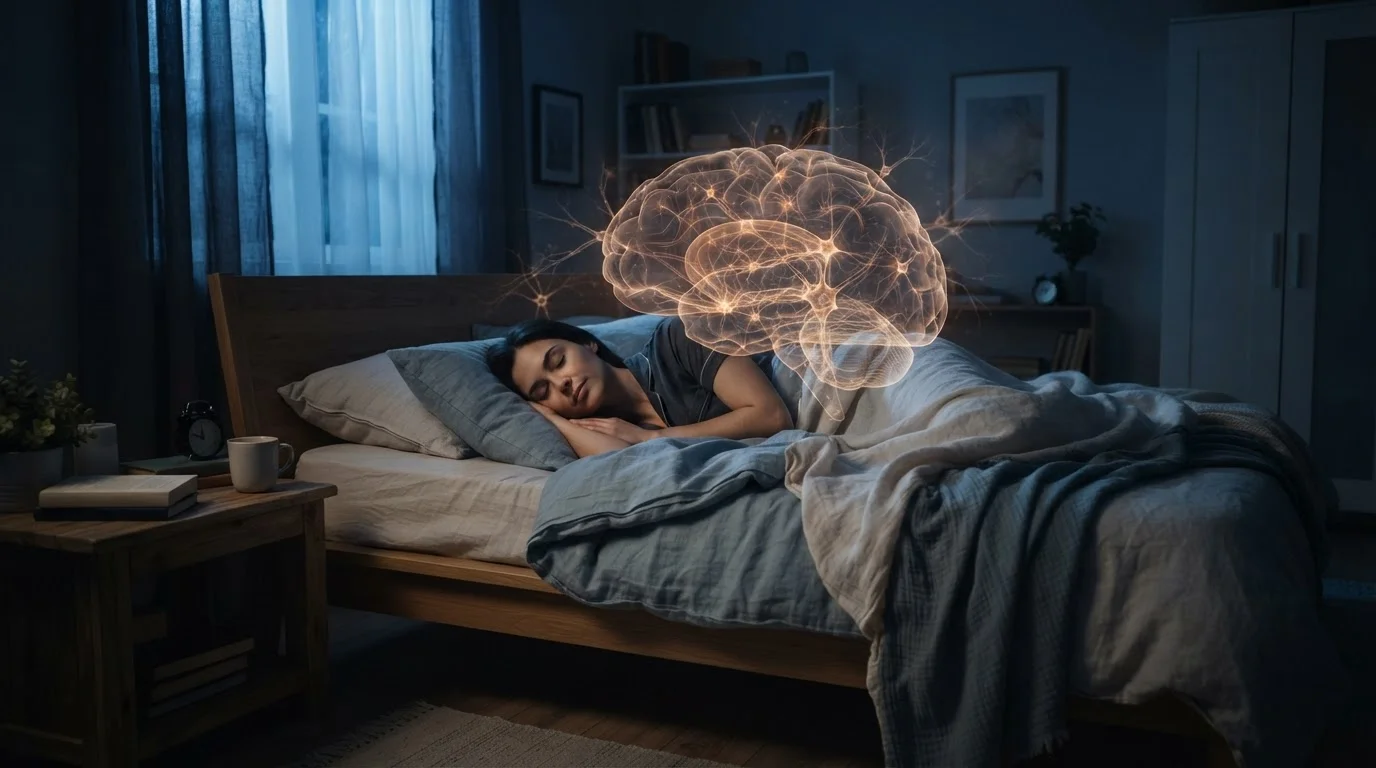
Photo: BridgeWish.com | Reliable Source Of Information editorial
Key Takeaways
- Sleep deprivation measurably increases emotional reactivity and irritability even after one poor night.
- The brain uses sleep to process emotions and consolidate how memories are stored.
- Chronic sleep loss is associated with higher risk of anxiety and depression symptoms.
- The relationship between sleep and mood is bidirectional — each affects the other.
- Consistent sleep habits are one of the most evidence-backed tools for everyday mood support.
What Happens in Your Brain While You Sleep
Sleep is not passive downtime for the brain. During the night, the brain cycles through distinct stages — light sleep, deep slow-wave sleep, and REM sleep — each performing different functions. Deep sleep is critical for physical restoration and memory consolidation, while REM sleep appears especially important for emotional regulation.
During REM sleep, the brain revisits emotional experiences from the day, but does so in a neurochemical environment with reduced levels of norepinephrine — a stress-related chemical. This may help the brain process difficult emotions without the full physiological stress response, effectively "turning down the volume" on distressing memories over time.
When sleep is cut short or fragmented, this processing is interrupted. The emotional residue of the day's experiences doesn't get properly filed away, leaving the brain more reactive the next day.
Sleep Stages Are Not Equal
The Bidirectional Loop: Sleep Affects Mood, Mood Affects Sleep
One reason the sleep-mood relationship is so difficult to break is that it runs in both directions. Poor sleep leads to irritability, anxiety, and low mood — but those very emotional states make it harder to fall asleep or stay asleep the following night. Stress hormones like cortisol, elevated by emotional distress, are associated with lighter, more fragmented sleep.
This feedback loop is well documented in research on both anxiety and depression. Insomnia is both a symptom of these conditions and a risk factor for developing them — a finding that has shifted how clinicians think about treating mood disorders. Addressing sleep is increasingly considered part of comprehensive mental health care, not just a side concern.
Understanding what chronic stress does to the brain and body helps put this loop in broader context — stress, sleep, and mood form an interconnected system, not three separate problems.
~60%
Greater amygdala reactivity after sleep deprivation
Brain imaging studies have found sleep-deprived individuals show roughly 60% more amygdala activation in response to negative emotional stimuli compared to well-rested participants.
1 in 3
US adults not getting enough sleep
The CDC reports that about one-third of US adults regularly sleep less than the recommended seven hours per night.
2–3×
Higher risk of depression with chronic insomnia
Research published in peer-reviewed sleep medicine journals suggests people with chronic insomnia are two to three times more likely to develop depression than consistent sleepers.
What Research Shows About Sleep and Emotional Regulation
Studies using brain imaging have found that sleep-deprived individuals show significantly greater amygdala activation in response to emotionally negative images — in some studies, roughly 60% more reactivity compared to well-rested participants. Simultaneously, the connection between the amygdala and the prefrontal cortex — the brain's "braking" system — weakens, reducing the ability to keep emotional responses proportionate.
In practical terms, this means that after a poor night's sleep, small frustrations feel larger, patience runs shorter, and the world can seem more threatening than it actually is. This is not a personality trait or weakness — it is a measurable shift in brain function.
Regular physical activity is another evidence-based lever for mood and resilience. See our overview of exercise and mental health for what the research actually shows there.
“Sleep is the single most effective thing we can do to reset our brain and body health each day — and a lack of sleep is quietly one of the biggest contributors to mental health challenges.”
— Matthew Walker, Professor of Neuroscience and Psychology, University of California, Berkeley, and author of 'Why We Sleep'
Building Better Sleep Habits for Mood Support
Because the sleep-mood relationship is bidirectional, improving sleep quality can create a positive feedback loop — better sleep supports more stable mood, which in turn makes it easier to sleep. Several consistent findings from sleep research point to practical starting points:
- Regular sleep timing: Going to bed and waking at consistent times — including weekends — helps stabilize the body's internal clock, which governs sleep quality and hormone rhythms.
- Light management: Exposure to bright light in the morning and reduced blue-light exposure in the evening supports melatonin production and healthy sleep onset.
- Wind-down practices: A predictable pre-sleep routine signals the brain to transition toward rest. Our article on building a wind-down routine that actually helps you sleep outlines steps researchers recommend.
Social connection also plays a role in emotional resilience and sleep quality. Research on social isolation and mental health shows that loneliness itself disrupts sleep architecture — another example of how mental health factors interact.
When to Seek Professional Support
This article is for general informational purposes only and is not a substitute for professional medical or mental health advice. If you are experiencing persistent sleep difficulties, mood disturbances, or symptoms of anxiety or depression, please consult a qualified healthcare provider.
Frequently Asked Questions
The content on this site is for informational purposes only and is not a substitute for professional advice. Always consult a qualified professional for guidance specific to your situation.