
Mental Wellness

Ways People Unintentionally Make Anxiety Worse

Ways People Unintentionally Make Anxiety Worse

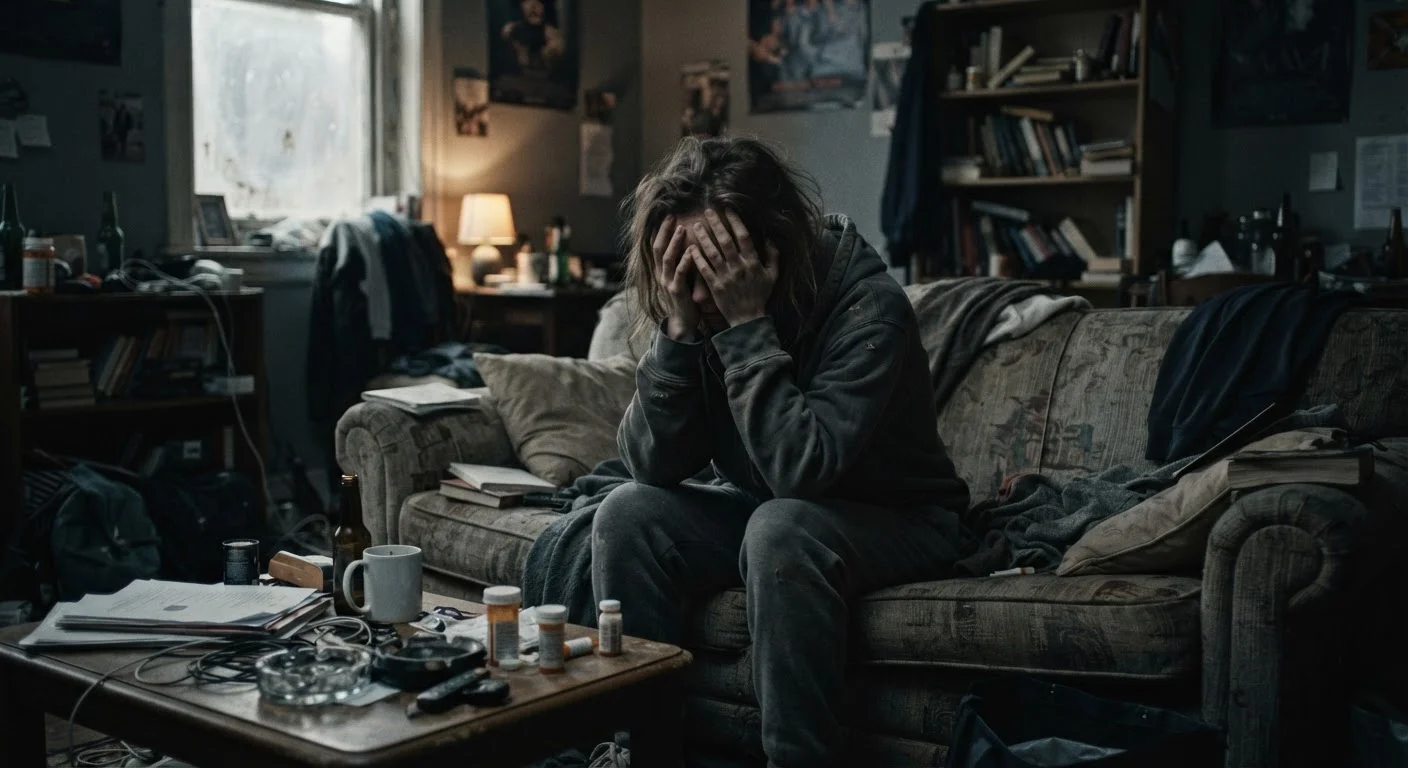
Photo: BridgeWish.com | Reliable Source Of Information editorial

Well-meaning coping strategies sometimes backfire. Explore the common behaviours that can maintain or deepen anxiety, and what to do instead.

Key Takeaways

  • Avoidance feels like relief but teaches the brain that feared situations are genuinely dangerous.
  • Reassurance-seeking and constant Googling of symptoms can intensify rather than calm anxiety.
  • Sleep deprivation, excessive caffeine, and doomscrolling are lifestyle factors that measurably worsen anxiety.
  • Practical, evidence-informed strategies exist to replace each counterproductive coping habit.
  • If anxiety significantly disrupts daily life, speaking with a mental health professional is an important next step.

Why Good Intentions Can Backfire

Anxiety is exhausting, and it's entirely natural to reach for whatever eases the discomfort quickly. The problem is that many instinctive responses — avoiding stressful situations, seeking constant reassurance, or retreating to the couch — provide short-term relief while quietly strengthening anxiety over time. Understanding the mechanisms behind these patterns is the first step to changing them.

This is general mental health information, not a substitute for personalised guidance. If anxiety is significantly affecting your daily life, please consult a qualified mental health professional. For a clearer picture of how anxiety myths may already be shaping your thinking, see common anxiety misconceptions explained.

1

Avoiding situations or places that trigger anxiety.

Why it happens: Avoidance delivers immediate relief, reinforcing the idea that escaping was the right call. Over time this relief feels essential, making avoidance the default response.
How to avoid: Gradual, supported exposure to feared situations — a technique central to cognitive behavioural therapy (CBT) — helps the brain learn that the feared outcome is manageable or unlikely. A mental health professional can guide a structured approach to this process.
2

Repeatedly seeking reassurance from others or from symptom searches online.

Why it happens: Reassurance temporarily quiets uncertainty, which is intensely uncomfortable for anxious individuals. However, it never resolves the underlying worry — it simply delays it.
How to avoid: Practice tolerating uncertainty in small doses rather than immediately seeking reassurance. This builds confidence that uncertainty itself is survivable, weakening anxiety's grip over time.
3

Using alcohol to wind down from anxious feelings.

Why it happens: Alcohol's sedative effect can feel like calm, and it's a socially normalised way to decompress. Many people don't connect the next-day restlessness or 'rebound anxiety' to their evening drink.
How to avoid: The anxiety relief alcohol provides is short-lived; as it metabolises, the nervous system rebounds, often producing heightened anxiety the following day. Non-alcoholic alternatives — such as gentle movement, breathwork, or a calming routine — are more sustainable options.
4

Trying to suppress or push away anxious thoughts entirely.

Why it happens: It feels logical to fight thoughts that feel threatening. Unfortunately, suppression is well-studied and tends to make intrusive thoughts more frequent and intense.
How to avoid: Mindfulness-based approaches, which involve observing thoughts without judgment rather than battling them, are supported by substantial evidence. Acknowledging a thought's presence without treating it as fact reduces its power significantly.
5

Staying sedentary because anxiety makes activity feel overwhelming.

Why it happens: When anxious, the body signals danger — and resting feels protective. The idea of exercise can itself feel like an additional stressor.
How to avoid: Regular physical activity is one of the most consistently supported, non-pharmacological strategies for reducing anxiety. Even modest, regular movement — such as daily walks — can measurably improve mood and stress resilience over time.
6

Overpreparing and controlling every detail to prevent uncertain outcomes.

Why it happens: Hyperplanning feels productive and gives a sense of control. In reality, it reinforces the belief that uncertainty is intolerable and that catastrophe is always imminent without extreme preparation. This pattern often surfaces in contexts like travel — as explored in why overpacking is often anxiety-driven.
How to avoid: Practising deliberate restraint — allowing some situations to unfold without total pre-planning — gradually builds tolerance for uncertainty. Starting with low-stakes situations makes this skill easier to develop.

Lifestyle Habits That Quietly Fuel Anxiety

Beyond specific coping behaviours, everyday routines can create a biological environment in which anxiety thrives.

31%

US adults affected by anxiety disorders

The National Institute of Mental Health estimates that approximately 31% of US adults will experience an anxiety disorder at some point in their lives.

~1 in 3

Adults not getting enough sleep

The CDC has reported that roughly one in three US adults regularly gets less than the recommended seven hours of sleep per night, a pattern closely linked to emotional dysregulation.

Caffeine overload: Caffeine stimulates the central nervous system and raises heart rate — physical sensations that mirror anxiety symptoms and can amplify them, particularly in people already prone to worry. Monitoring intake and avoiding caffeine late in the day is a practical place to start.

Chronic sleep deprivation: Research consistently links insufficient sleep to heightened emotional reactivity and reduced ability to regulate fear responses. Protecting sleep is not a luxury — it is a core component of emotional regulation.

Excessive social media and news consumption: Scrolling through distressing content triggers repeated low-level stress responses. As discussed in how social media affects mental well-being, the relationship between digital habits and anxiety is well-documented. Setting deliberate limits on news and social media exposure — especially before bedtime — can reduce this load meaningfully.

When to Seek Professional Help

If anxiety is persistently interfering with work, relationships, or daily functioning, self-guided strategies may not be sufficient on their own. Signs that stress has become something more serious can help you recognise when it's time to reach out. A licensed therapist, psychologist, or your primary care provider can assess what kind of support is most appropriate for your situation.

This article is for general informational and educational purposes only and does not constitute medical or mental health advice. Always consult a qualified healthcare professional for guidance specific to your situation.

Health Editorial Team

BridgeWish.com | Reliable Source Of Information

Health Editorial Team is the collective byline for our editorial team and contributor network. Articles published under this byline or an editorial pen name are researched, written, and reviewed according to our editorial standards for clarity, consistency, and independence before publication.

Nutrition BasicsFitness & MovementMental Wellness
View author profile

The content on this site is for informational purposes only and is not a substitute for professional advice. Always consult a qualified professional for guidance specific to your situation.