
Reading a Nutrition Facts Label Without the Confusion

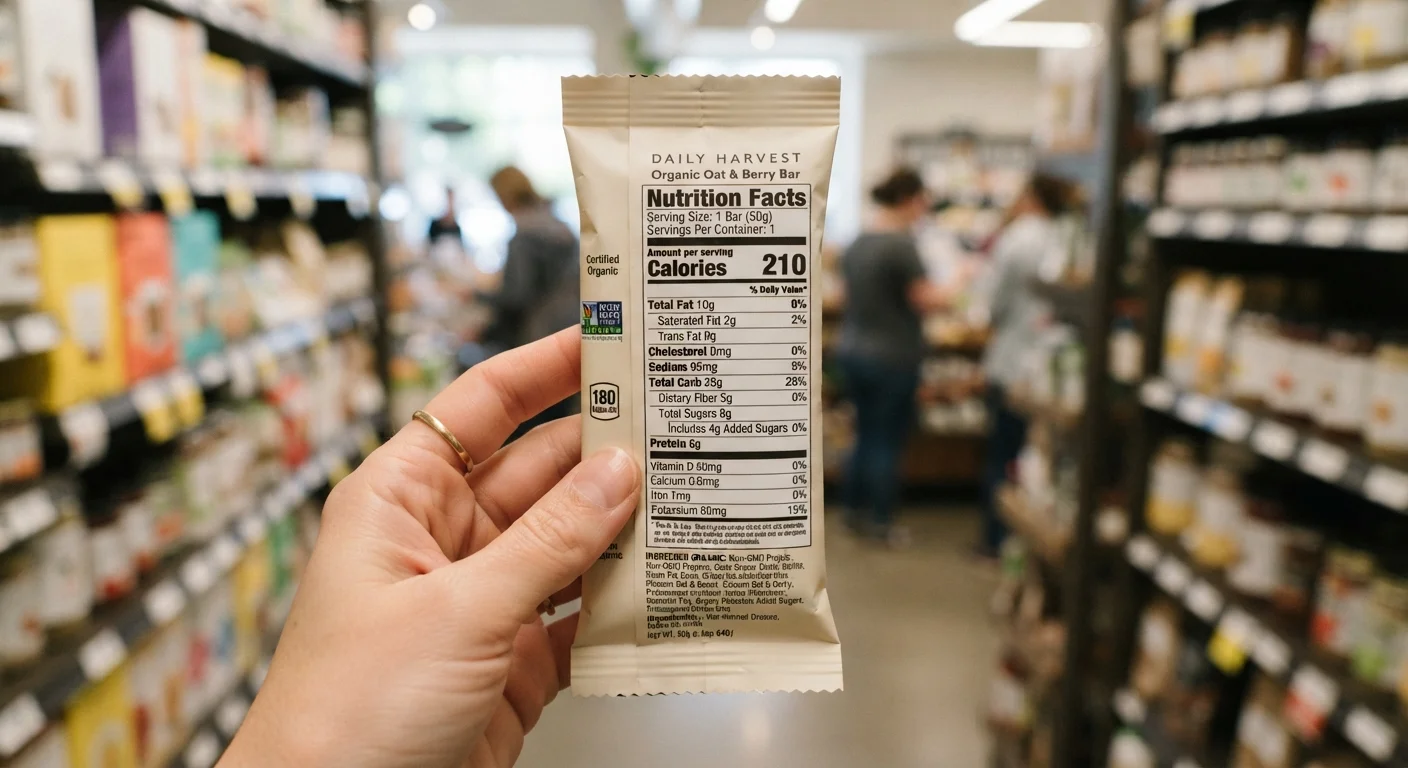
Photo: BridgeWish.com | Reliable Source Of Information editorial
Key Takeaways
- Serving size is the foundation of every number on the label — always check it first.
- % Daily Value tells you how much a nutrient contributes to a standard 2,000-calorie diet.
- Ingredients are listed by weight, so the first few items matter most.
- Nutrients like fiber, potassium, and vitamins are worth seeking; added sugars and sodium warrant attention.
- Front-of-package claims are marketing; the Nutrition Facts panel is the regulated, standardized truth.
Why the Nutrition Facts Label Exists — and What It Actually Covers
The Nutrition Facts label is a federally regulated panel required on most packaged foods sold in the United States. It was established under the Nutrition Labeling and Education Act and has been updated over the years — most significantly in 2016 — to reflect current nutrition science and actual eating patterns. The FDA oversees its format and content, which means the data it contains is standardized and verifiable, unlike front-of-package marketing claims.
The label covers five core areas: serving information, calories, required nutrients, % Daily Value, and — separately — the ingredients list. Understanding how these sections relate to each other is the key to reading the label accurately rather than in isolation. For a broader overview of balanced eating principles that complement label reading, explore Healthy Eating Basics.
This Is General Nutrition Education
Step-by-Step: How to Read Every Section of the Label
Follow these steps the next time you pick up a packaged food item. You'll need the product in hand to practice in real time.
What you will need
Packaged Food Product
Provides a real Nutrition Facts label to practice reading alongside this guide.
Calculator or Smartphone
Useful for multiplying nutrient values when a package contains multiple servings.
Start with Serving Size and Servings Per Container
The very first line of the Nutrition Facts panel is serving size — and it controls every other number on the label. All calories and nutrient amounts listed apply to one serving, not the entire package. Directly below serving size, you'll see servings per container, which tells you how many servings the package holds.
If a bag of chips lists a serving size of 1 oz (about 28g) and contains 3 servings, eating the whole bag means tripling every number you see — calories, sodium, fat, and all.
Check the Calorie Count
Calories are displayed prominently in large type immediately below serving size. This figure represents the total energy provided per serving from all macronutrients — fat, carbohydrates, and protein. Calories from fat are no longer required to be listed separately on updated labels, so focus on the total calorie figure in context of the whole serving.
Calorie needs differ significantly by individual, but the label's % Daily Values are calculated using a 2,000-calorie daily reference diet — a commonly used benchmark, not a universal prescription.
Examine the Nutrients — What to Limit and What to Seek
The nutrient section is split into two general categories:
- Nutrients to limit: Saturated fat, trans fat, sodium, and added sugars. Consuming these in excess is associated with increased risk of cardiovascular disease and other health concerns, according to established dietary guidance from organizations such as the American Heart Association and the Dietary Guidelines for Americans.
- Nutrients to prioritize: Dietary fiber, vitamins D, calcium, iron, and potassium are commonly under-consumed in the US diet. The label highlights these to encourage adequate intake.
Note that added sugars now appear as a sub-line under total sugars on updated FDA labels. This distinction matters because added sugars contribute calories without nutritional benefit, whereas naturally occurring sugars (such as those in fruit or dairy) come packaged with other nutrients.
Decode the % Daily Value Column
The % Daily Value (% DV) column on the right side of the label tells you what percentage of the daily recommended amount for each nutrient one serving provides, based on a 2,000-calorie reference diet. It's one of the most useful — and most misunderstood — sections of the label.
% DV helps you compare products and understand nutrient density without needing to memorize exact gram targets. For a deeper look at the terminology behind these figures, see our guide on key nutrition terms every consumer should know.
Read the Ingredients List
The ingredients list, found below the Nutrition Facts panel, is required by the FDA and lists every ingredient in the product in descending order by weight. The first ingredient is the most abundant; the last is the least. A product that lists 'whole wheat flour' first generally contains more whole wheat than one where it appears fifth or sixth.
Scan for added sugars (which may appear under many names, including corn syrup, dextrose, maltose, cane juice, and others), partially hydrogenated oils (a source of trans fat), and sodium-containing additives. A shorter ingredients list is not automatically better, but it can be easier to evaluate.
Put It All Together When Comparing Products
Once you understand each section, you can use the label to compare similar products side by side. Make sure both products show the same serving size before comparing numbers — otherwise the comparison is meaningless. Look at the % DV for saturated fat, sodium, and added sugars as your limiting nutrients, and fiber and key vitamins as your goal nutrients.
For practical habits that extend this skill to your full shopping routine, see our article on grocery shopping habits that support a healthier diet.
Use the 5/20 Rule as a Quick Guide
Front-of-Package Claims Can Be Misleading
This article is for informational purposes only and does not constitute medical or dietary advice. Consult a qualified healthcare professional or registered dietitian for guidance tailored to your individual health needs.
The content on this site is for informational purposes only and is not a substitute for professional advice. Always consult a qualified professional for guidance specific to your situation.