
Fixed-Rate vs. Adjustable-Rate Mortgages

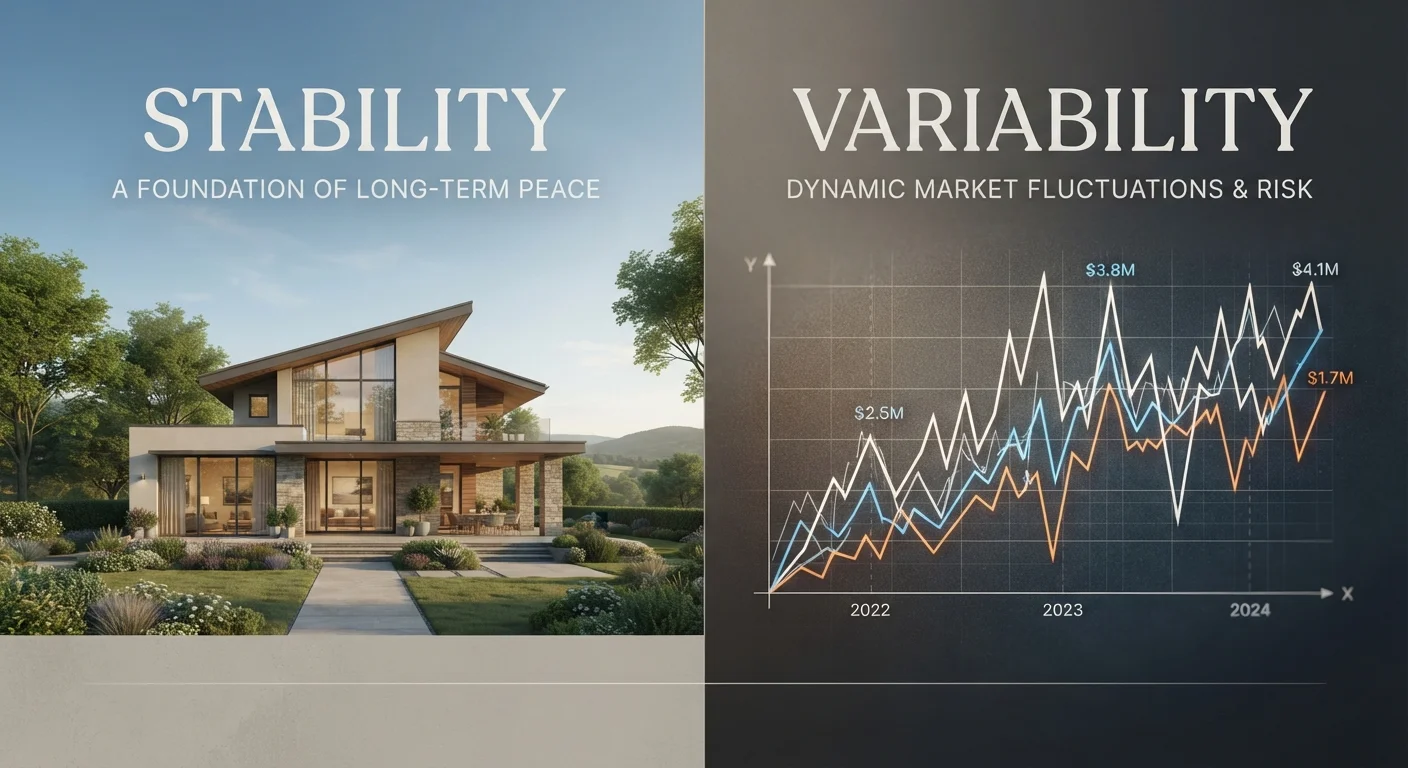
Photo: BridgeWish.com | Reliable Source Of Information editorial
Key Takeaways
- Fixed-rate mortgages lock in your interest rate for the entire loan term, making budgeting straightforward.
- Adjustable-rate mortgages (ARMs) start with a lower rate that can change periodically after an initial fixed period.
- ARMs carry the risk of payment increases if interest rates rise after the fixed period ends.
- Fixed-rate loans are generally more suitable for long-term homeowners; ARMs may suit shorter-horizon buyers.
- Your credit score and financial profile affect the rates available to you on either loan type.
- Consulting a licensed mortgage professional is the most reliable way to evaluate which loan fits your situation.
How Each Mortgage Type Works
A fixed-rate mortgage maintains the same interest rate from the first payment to the last. Whether your loan term is 15 or 30 years, your principal-and-interest payment never changes because of market conditions. This consistency is the defining feature that draws most first-time buyers to this structure.
An adjustable-rate mortgage (ARM) works differently. It begins with a fixed-rate period — commonly 5, 7, or 10 years — after which the rate adjusts periodically based on a referenced financial index (such as the Secured Overnight Financing Rate, or SOFR) plus a lender margin. A "5/1 ARM," for example, holds its initial rate for five years, then adjusts once per year afterward. Caps are typically built in to limit how much the rate can change per adjustment and over the life of the loan, but the payment can still shift meaningfully.
Understanding how loans are structured in general can also help when evaluating other borrowing decisions. For instance, the same fixed-versus-variable distinction applies to auto loans, where rate type and term length directly affect your total cost.
| Criterion | Fixed-Rate Mortgage | Adjustable-Rate Mortgage (ARM) |
|---|---|---|
| Interest Rate | Constant for entire loan term | Fixed initially, then adjusts periodically |
| Initial Rate | Typically higher than ARM intro rate | Usually lower than fixed-rate equivalent |
| Payment Predictability | Fully predictable | Can change after fixed period ends |
| Best Loan Term Fit | 15- or 30-year long-term ownership | Short-to-medium-term ownership (5–10 yrs) |
| Rate Change Risk | None | Moderate to high after adjustment period |
| Rate Caps | Not applicable | Initial, periodic, and lifetime caps apply |
| Ideal Market Condition | Low or stable rate environment | High rates expected to fall; short tenure |
The Trade-Offs: Stability vs. Flexibility
The core trade-off is straightforward: fixed-rate mortgages offer certainty; ARMs offer a lower initial cost in exchange for future uncertainty.
With a fixed-rate loan, you pay a slight premium for that certainty. When prevailing interest rates are low, locking in can be a significant long-term advantage. When rates are high at the time of purchase, however, fixed-rate borrowers are stuck with that rate unless they refinance — a process that involves closing costs and qualification requirements.
ARMs are frequently misunderstood as inherently risky, but for the right borrower in the right situation, the lower starting rate genuinely reduces costs. The risk emerges if you remain in the home past the fixed period and rates have risen. Understanding your overall credit position matters here too — your credit and debt profile directly affects the rates a lender will offer on either loan type.
30 years
Most common fixed-rate mortgage term in the U.S.
The 30-year fixed mortgage has historically been the dominant home loan product among U.S. buyers, according to Freddie Mac data.
~1–2%
Typical initial rate advantage of ARMs over fixed loans
Historically, ARM introductory rates have run roughly 1–2 percentage points lower than comparable fixed-rate loans, though this gap varies with market conditions.
The decision also resembles lease-type choices in renting. Just as a month-to-month versus fixed-term lease comparison involves weighing predictability against flexibility, mortgage type selection involves the same underlying tension between security and short-term savings.
Key Factors to Weigh Before Choosing
No mortgage type is universally superior. Your best choice depends on several personal and financial factors:
- Time horizon: How long do you realistically plan to own this home? The longer you stay, the more valuable rate stability becomes.
- Rate environment: If current fixed rates are historically elevated, an ARM's introductory period might offer meaningful savings — and the possibility of refinancing to a fixed rate later if conditions improve.
- Income stability: Borrowers with variable or unpredictable incomes may find fixed payments easier to manage and plan around.
- Risk tolerance: If the prospect of a higher payment in year six causes significant financial stress, a fixed rate may provide more peace of mind regardless of cost calculations.
- Loan caps on ARMs: Review the initial cap (how much the rate can jump at first adjustment), periodic cap (per adjustment thereafter), and lifetime cap (maximum rate increase over the loan's life).
If you are still weighing whether homeownership is the right move at all, the renting vs. buying trade-off analysis can help clarify the broader financial picture before you focus on loan type.
What Are Rate Caps on an ARM?
This article provides general educational information about mortgage types and is not personalized financial or legal advice. Speak with a licensed mortgage professional or financial advisor to evaluate the options appropriate for your specific circumstances.
The content on this site is for informational purposes only and is not a substitute for professional advice. Always consult a qualified professional for guidance specific to your situation.