
Key Renting Terms Every Tenant Should Recognize

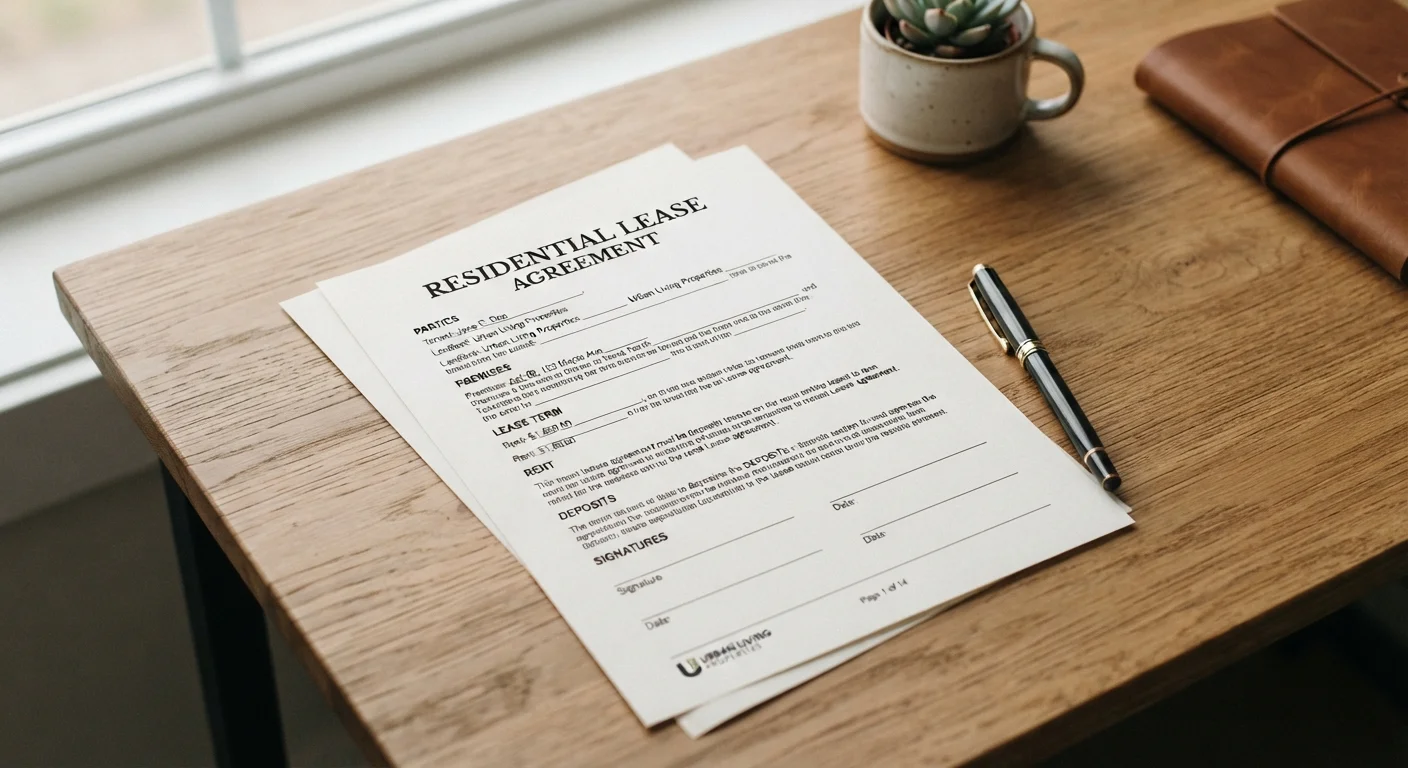
Photo: BridgeWish.com | Reliable Source Of Information editorial
Why Rental Vocabulary Matters
A lease is a legally binding contract, and the specific words used in it carry real consequences. Renters who misread — or simply don't know — terms like holdover tenancy or quiet enjoyment can find themselves in costly disputes or unintentionally waiving rights they didn't know they had.
This reference covers the rental terms that appear most frequently in leases, move-in paperwork, and landlord-tenant disputes across the U.S. It's not a substitute for legal advice, but it gives you the vocabulary to ask better questions and read your lease with more confidence.
For a closer look at how these terms show up in practice, see our guide to commonly overlooked lease clauses — including early termination fees and automatic renewals.
Habitability
The legal standard requiring a rental unit to be safe, sanitary, and fit for human occupancy. Landlords in most U.S. states are required to maintain habitability regardless of what a lease may say.
Quiet Enjoyment
A tenant's right to use and occupy the rental without unlawful interference by the landlord. It covers unauthorized entry, utility shutoffs, and harassment intended to pressure a tenant to leave.
Prorated Rent
A partial rent payment calculated based on the number of days in a billing period a tenant actually occupies the unit. It most commonly applies when a lease begins or ends mid-month.
Security Deposit
Money collected by a landlord at lease signing, held to cover unpaid rent or damage beyond normal wear and tear. State laws regulate maximum amounts, storage requirements, and return deadlines.
Holdover Tenancy
A situation in which a tenant remains in a rental unit after the lease term ends without a new agreement in place. The legal status and rent obligation depend on state law and the landlord's response.
Constructive Eviction
A legal doctrine that allows tenants to break a lease without penalty when a landlord's neglect makes the unit uninhabitable. It requires documented conditions and is typically pursued with legal assistance.
Lease Renewal
The process of extending a rental agreement for a new term, either automatically (per lease language) or through a new signed document. Automatic renewals can bind tenants without a clear reminder.
Normal Wear and Tear
The expected, minor deterioration of a property from ordinary daily use — such as small nail holes or carpet fading. Landlords generally cannot charge tenants for this type of wear when deducting from security deposits.
Month-to-Month Tenancy
A rental arrangement without a fixed end date that renews automatically each month. Either party can typically end it with proper written notice, usually 30 days, though notice requirements vary by state.
Subletting
When a tenant rents all or part of their unit to another person (a subtenant) while remaining responsible under the original lease. Many leases prohibit subletting without prior written landlord approval.
Late Fee
A penalty charged when rent is received after the lease-specified due date. Many states set limits on fee amounts and require a grace period before fees can legally be imposed.
Notice to Vacate
A formal written notice from a landlord or tenant indicating the intent to end a tenancy. The required notice period — commonly 30 or 60 days — is usually specified in the lease and governed by state law.
Key Figures and Rental Context
Knowing isolated definitions helps, but understanding the broader rental landscape can sharpen how you apply this vocabulary. The quick facts below give useful context for the terms throughout this article.
| Renters in U.S. Households | Approximately 36% (U.S. Census Bureau, American Community Survey) |
| States with Security Deposit Caps | Most states; caps typically 1–2 months' rent (Varies by state statute) |
| Common Security Deposit Return Window | 14–30 days after move-out (Varies by state law) |
| Notice Required to End Month-to-Month Tenancy | Typically 30 days (some states require 60) (Varies by state and lease terms) |
| States Recognizing Implied Warranty of Habitability | Nearly all U.S. states (National Housing Law Project) |
| Most Common Lease Term Length | 12 months (Industry standard across U.S. rental market) |
Many renters discover that terms like prorated rent or security deposit work differently than they assumed. Our companion piece on common renting misconceptions addresses several of these gaps directly.
Terms Related to Payments and Deposits
Payment and deposit terms are among the most contested in landlord-tenant relationships. Understanding them before you sign can prevent misunderstandings at move-out.
- Security Deposit: A sum paid upfront — typically one to two months' rent — held by the landlord to cover unpaid rent or damage beyond normal wear and tear. State law governs how it must be held, when it must be returned, and what deductions are permissible.
- Prorated Rent: A partial month's rent calculated proportionally when a tenancy begins or ends mid-month. For example, if monthly rent is $1,500 and you move in on the 16th of a 30-day month, you'd owe $750 for that first partial month.
- Last Month's Rent: An additional upfront payment — separate from the security deposit — applied toward the final month of the tenancy. Not all states permit landlords to collect both this and a security deposit.
- Late Fee: A charge assessed when rent is paid after the due date. Many states cap the maximum late fee allowed and require a grace period before it can be imposed.
Security Deposit Rules Vary Significantly by State
Terms Related to Rights and Conditions
These terms define the legal standards that protect tenants during a tenancy — and knowing them can be the difference between enforcing your rights and unknowingly surrendering them.
- Implied Warranty of Habitability: A landlord's legal obligation — recognized in most U.S. states — to maintain a rental unit in a livable condition. This includes working heat, plumbing, and structural safety. Tenants generally cannot waive this right, even in a signed lease.
- Quiet Enjoyment: A tenant's right to use the rental without interference from the landlord or third parties. This includes freedom from unlawful entry, harassment, or disruption of essential services.
- Holdover Tenancy: When a tenant remains in the unit after the lease expires without signing a new agreement. Depending on state law and how the landlord responds, this may convert to a month-to-month tenancy — often at the same or higher rent.
- Constructive Eviction: A legal concept in which a landlord's failure to maintain habitable conditions effectively forces a tenant to vacate. Successfully claiming constructive eviction can relieve a tenant of further rent obligations, but it typically requires documented evidence and, often, legal counsel.
For more on how these rights intersect with lease language, our article on lease clauses renters routinely overlook walks through auto-renewal terms and maintenance responsibilities clause by clause.
~36%
Share of U.S. households that rent
According to U.S. Census Bureau data from the American Community Survey, about one in three U.S. households rents rather than owns their home.
Nearly all
U.S. states recognizing habitability protections
The implied warranty of habitability is recognized by statute or case law in almost every U.S. state, making it one of the most broadly held tenant rights.
14–30 days
Typical security deposit return window
Most state laws require landlords to return security deposits within 14 to 30 days of move-out, along with an itemized list of any deductions.
The content on this site is for informational purposes only and is not a substitute for professional advice. Always consult a qualified professional for guidance specific to your situation.