
What a Lease Agreement Actually Says — and What to Watch For

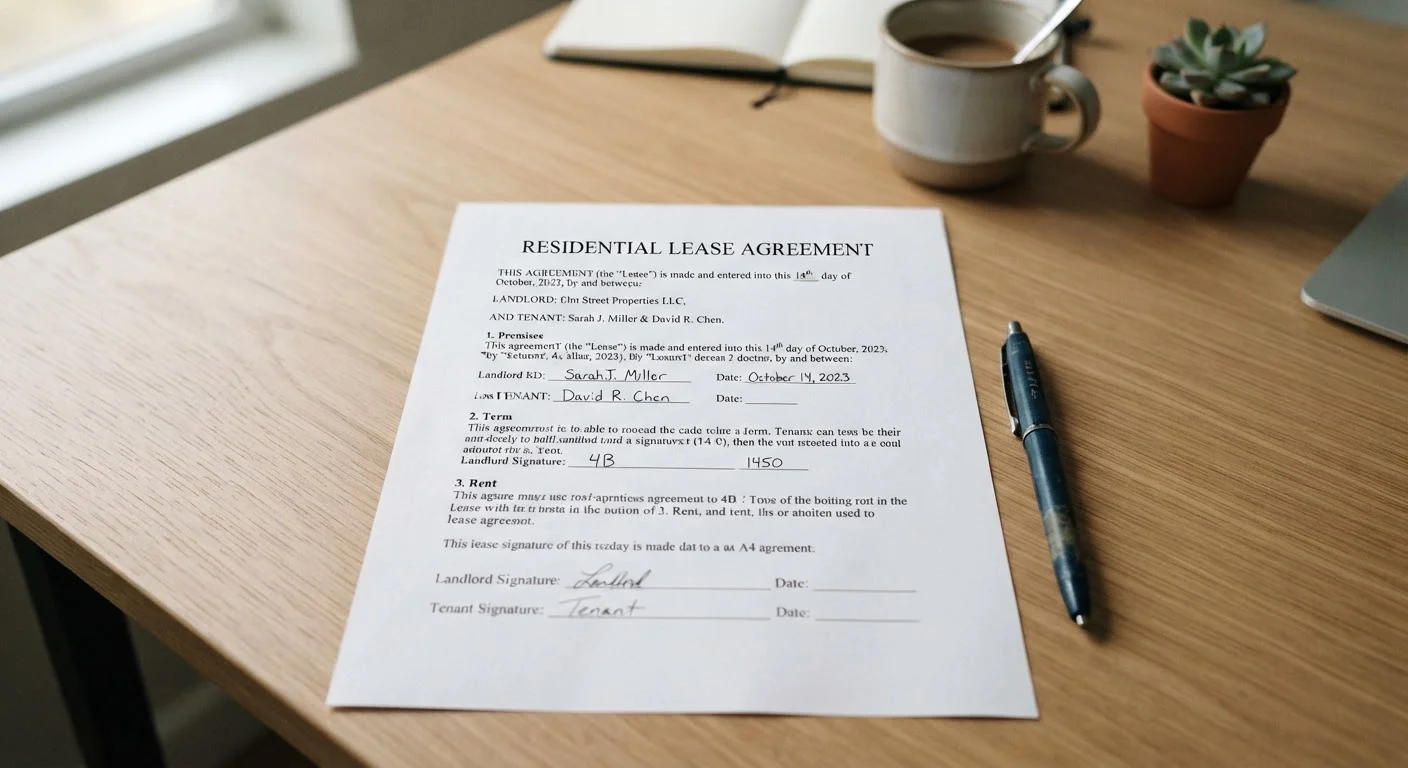
Photo: BridgeWish.com | Reliable Source Of Information editorial
Key Takeaways
- A lease is a legally binding contract — reading it carefully before signing protects you.
- Key clauses cover rent, lease length, security deposit, maintenance duties, and entry rights.
- Some clauses may be unenforceable under state law, but you still need to spot and challenge them.
- Ambiguous language in a lease almost always benefits the landlord, not the tenant.
- Negotiating lease terms before signing is common and often more successful than most renters expect.
Why Reading Your Lease Word for Word Actually Matters
Most renters skim their lease or skip straight to the signature line. That's understandable — leases are long and written in dense legal language. But a lease is one of the most consequential contracts most people sign, and the details buried in its clauses directly affect your finances, your comfort, and your legal rights for the months or years you live there.
Misunderstanding — or missing — a single clause can mean unexpected fees, disputes over your security deposit, or confusion over who fixes what when something breaks. The goal of this guide is to decode the language you'll most commonly encounter, so you can read your lease with confidence rather than confusion.
For a deeper look at terms that catch renters off guard after move-in, see our guide on costly lease clauses renters routinely overlook.
The Core Clauses Every Lease Contains
While leases vary by state, landlord, and property type, most share the same fundamental structure. Here's what each major section actually covers:
- Parties and property: Identifies the landlord and tenant by full legal name, and describes the exact rental unit. Confirm your name is spelled correctly and the address matches.
- Lease term: States the start and end date of the tenancy. A fixed-term lease (commonly 12 months) holds you to that period. Watch for auto-renewal language — some leases roll into a new term automatically unless you give written notice 30 to 60 days in advance.
- Rent amount and due date: Specifies the monthly amount, the date it's due, and the grace period (if any) before late fees apply. Note whether rent must be paid by check, electronic transfer, or another method — some landlords specify this.
- Security deposit: States the deposit amount and the conditions for its return. Most states set a legal limit on how much landlords can collect and a deadline for returning it after move-out. Deductions must generally be documented in an itemized written statement.
- Maintenance and repairs: Divides responsibility between landlord and tenant. Landlords are typically responsible for structural repairs and habitability; tenants are usually responsible for minor upkeep and damage they cause. Vague language here is worth clarifying before you sign.
~50%
Renters who don't fully read their lease
Industry surveys consistently find that roughly half of renters report not reading their lease in full before signing.
21 days
Median state deadline for deposit return
Most U.S. states require landlords to return security deposits within 14 to 30 days after move-out, with written itemization of any deductions.
24–48 hrs
Advance notice landlords must give for entry
The majority of U.S. states require landlords to provide at least 24 hours' written notice before entering a rental unit for non-emergency purposes.
Clauses That Deserve Closer Scrutiny
Beyond the basics, leases often contain clauses that significantly affect your rights — and that are easy to overlook.
Landlord Entry Rights
Most states require landlords to give advance notice (commonly 24 to 48 hours) before entering your unit for non-emergency reasons. Your lease should reflect this. If it grants the landlord unrestricted entry, that clause may conflict with state law.
Subletting and Guest Policies
Many leases prohibit subletting without written landlord approval. Some also define how long a guest can stay before they're considered an unauthorized occupant. Violating these terms can be grounds for eviction in some jurisdictions.
Early Termination
Life circumstances change. If you need to leave before the lease ends, you could owe the remaining rent unless your lease includes an early termination clause — or unless state law requires landlords to mitigate damages by re-renting the unit.
Pet Policies
Pet terms can be surprisingly complex, covering deposits, recurring fees, approved species, and breed restrictions. If you have or plan to get a pet, review this section carefully. Our article on renting with pets and what the lease language really means breaks these terms down in detail.
Get Changes in Writing Before You Sign
What to Do Before You Sign
Reading a lease carefully is only the first step. Here's how to approach the process strategically:
- Take your time. Don't let a landlord pressure you into signing on the spot. Request a copy to review for at least 24 hours.
- Document the unit's condition. Before move-in, photograph every room and note existing damage in writing. Share it with your landlord and keep a copy. This protects your deposit at move-out.
- Ask about anything unclear. If a clause is ambiguous, ask the landlord to explain it in writing. Verbal reassurances don't count if there's a dispute later.
- Know your state's tenant protections. Many lease clauses that look intimidating are simply unenforceable under state law — for example, clauses that waive your right to a habitable unit. Your state's attorney general website or a local tenant rights organization can clarify what applies to you.
- Negotiate where appropriate. Small changes — a move-in date, a pet policy, a parking assignment — are often negotiable. Get all agreed changes made directly in the lease document, initialed by both parties.
Understanding the full document before you commit is one of the most protective steps you can take as a renter. For broader context on what lease language really signals, see what a lease agreement actually says and why it matters.
Tenant Rights Vary Significantly by State
Frequently Asked Questions
The content on this site is for informational purposes only and is not a substitute for professional advice. Always consult a qualified professional for guidance specific to your situation.