
Starting From Zero: A New Pet Owner's Introduction to Animal Training

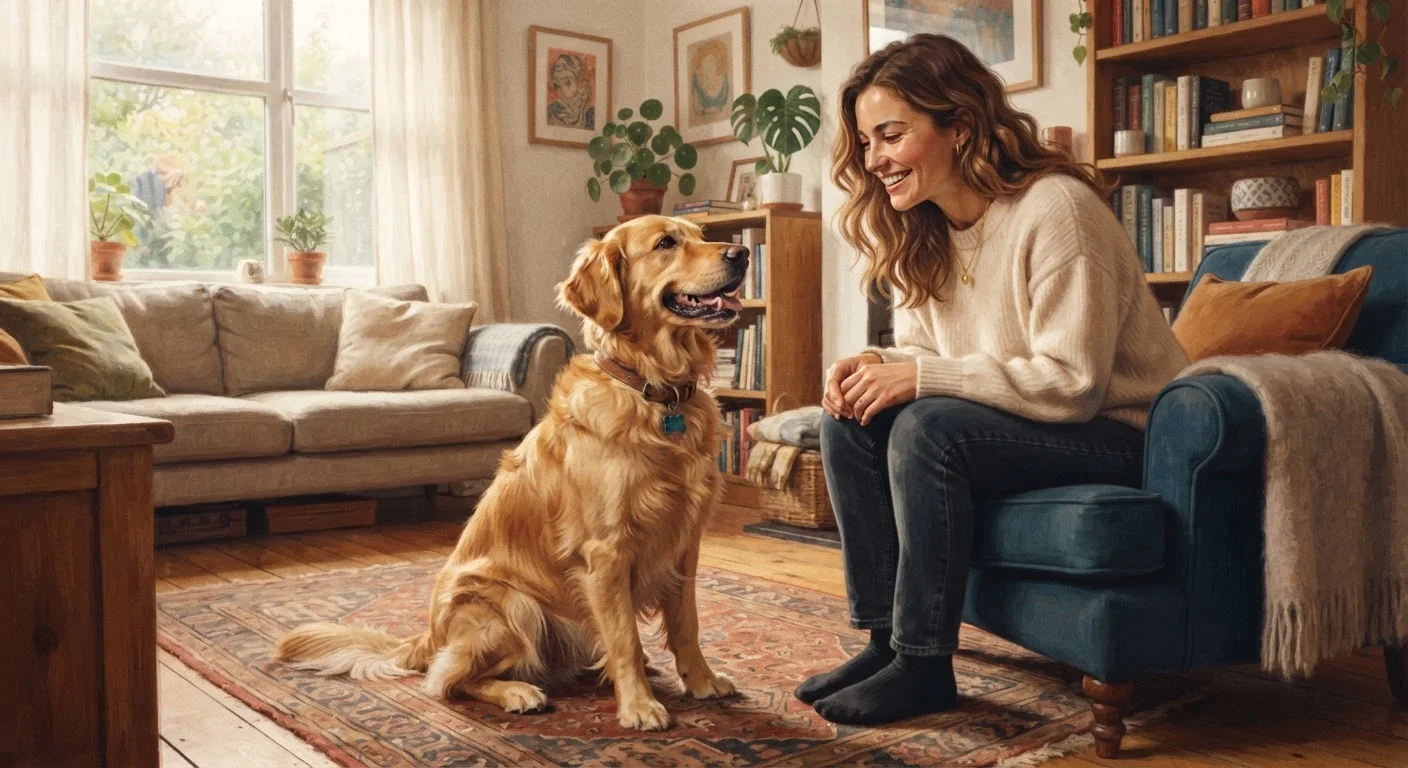
Photo: BridgeWish.com | Reliable Source Of Information editorial
Key Takeaways
- Animals learn through consistent associations between their behavior and its consequences.
- Positive reinforcement — rewarding desired behaviors — is widely supported by animal behavior science.
- Short, frequent training sessions (5–10 minutes) are more effective than long, infrequent ones.
- Patience and consistency matter more than any specific tool or technique.
- Unusual or sudden behavioral changes can sometimes signal health issues worth discussing with a vet.
How Animals Actually Learn
Before you pick up a treat or practice a cue, it helps to understand the basic mechanics behind how animals learn. At the heart of most training is a concept called operant conditioning — the idea that animals repeat behaviors that produce good outcomes and avoid behaviors that don't. In plain terms: if something good happens after your pet does something, they're more likely to do it again.
Two other principles worth knowing are classical conditioning (forming associations between two things, like a leash and a walk) and reinforcement schedules (how often and when rewards are delivered). These aren't just academic concepts — they directly shape how quickly your pet learns and how reliably they retain what they've been taught.
Understanding that behavior is largely predictable and learnable takes a lot of the mystery out of training. Your pet isn't being stubborn or defiant — they're responding to the environment you're creating. That's actually good news, because it means you have more influence than you might think.
Positive reinforcement
Adding something pleasant (like a treat or praise) immediately after a desired behavior to make that behavior more likely to happen again.
Operant conditioning
A learning process where behavior is shaped by its consequences — behaviors that are rewarded tend to be repeated, while those that aren't rewarded tend to fade.
Classical conditioning
Learning through association — an animal comes to link a neutral signal (like the sound of a clicker) with a meaningful outcome (like receiving a treat).
Marker signal
A distinct sound or word used to pinpoint the exact moment a pet performs the correct behavior, bridging the gap between action and reward.
Generalization
The process of an animal learning to perform a trained behavior reliably across different locations, people, and situations — not just in the original training environment.
Reinforcement schedule
The pattern of how often and when rewards are delivered during training — this influences how quickly a behavior is learned and how well it holds up over time.
The Core Tools of Humane Training
You don't need a cabinet full of equipment to start training effectively. The most important tool is a clear, consistent reward — something your pet genuinely values. For many dogs, small food treats work well. For cats, it might be a favorite toy or a few seconds of play. For birds and small animals, appropriate food rewards are common. Experiment to find what motivates your specific pet.
A marker signal helps you communicate the exact moment your pet does something right. A short, distinct word like "yes" or a small handheld clicker can serve this purpose. The marker bridges the gap between the behavior and the reward, making the connection clearer for your pet.
Beyond that, you mainly need a calm environment, patience, and your own consistency. Avoid training when you're frustrated — animals are sensitive to human emotional states, and tense sessions rarely produce good results. Before your very first session, check out the readiness checklist for new pet owners to make sure your setup and mindset are on track.
Find What Motivates Your Pet
Setting Realistic Expectations
One of the most common reasons new pet owners feel discouraged is expecting too much, too soon. Training is a gradual process — not a switch that flips after one session. Most basic behaviors require dozens of successful repetitions before they become reliable, and some animals take longer than others depending on temperament, age, and past experience.
It also helps to understand that generalization takes time. A dog who sits perfectly in your living room may not respond the same way on a busy sidewalk. That's not failure — it's normal. You'll need to practice in multiple environments before a behavior becomes truly solid.
Be especially patient in the first days and weeks at home. If you've recently brought a pet home, the adjustment period itself can affect how a pet responds to training. See our guides on what to expect when bringing a pet home and your first week with a new pet for grounded, week-one expectations.
Avoid Rushing the Learning Curve
Your First Steps as a Trainer
Start with one simple behavior — "sit" for dogs is a classic first choice, but the principle applies across species. Use your reward to guide your pet into the position, mark the moment they succeed, and reward immediately. Keep sessions to 5–10 minutes. End on a success, even if that means making the task easier toward the end of a session.
Build a routine. Animals thrive on predictability, and training at consistent times each day — before a meal, for example — can make sessions feel natural and expected rather than random. Track your progress loosely, noting what's working and what isn't.
As you get comfortable, you can layer in new cues, gradually reduce treat frequency (a process called intermittent reinforcement), and introduce distractions. The new pet owner checklist can also help you make sure training fits into a broader first-month routine that covers health and care alongside behavior.
When to Seek Professional Help
Training challenges are common and rarely a sign that something is seriously wrong. But there are situations where professional input is genuinely important. If your pet displays aggression toward people or other animals, intense fearfulness, or any behavior that feels unsafe, contact a certified professional trainer or veterinary behaviorist rather than trying to resolve it alone.
It's also worth noting that behavioral changes — especially sudden ones — can sometimes reflect underlying health issues. A previously calm pet that becomes reactive, or a house-trained dog that starts having accidents, may need a vet visit before a training approach makes sense. Our companion guide on recognizing signs of pet health problems can help you know when behavior and health may be connected.
Seeking help isn't giving up — it's one of the most responsible things a new owner can do. Professional guidance often unlocks progress that months of solo effort couldn't achieve, and it ensures both you and your pet stay safe throughout the process.
This article is for general informational and educational purposes only. For concerns about your pet's health or behavior, consult a qualified veterinarian or certified animal behavior professional.
Frequently Asked Questions
The content on this site is for informational purposes only and is not a substitute for professional advice. Always consult a qualified professional for guidance specific to your situation.