
Signs Your Pet May Be Drinking Too Much—or Too Little—Water

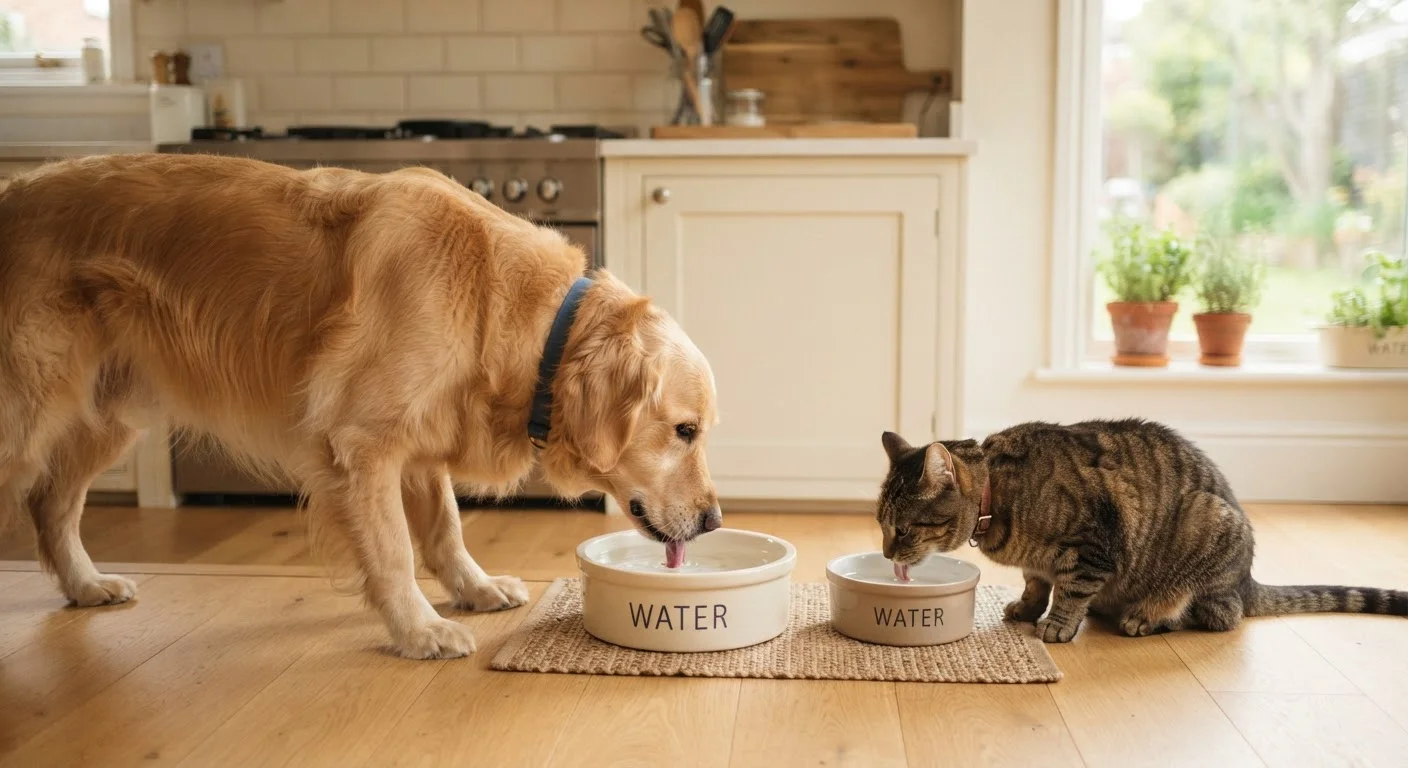
Photo: BridgeWish.com | Reliable Source Of Information editorial
Key Takeaways
- Drinking too much or too little water can both signal a health problem in dogs and cats.
- Common causes of excessive thirst include diabetes, kidney disease, and certain hormonal disorders.
- Dehydration can develop quickly and may show up as lethargy, dry gums, or reduced skin elasticity.
- Diet type matters — pets eating wet food naturally drink less than those on dry kibble.
- Track your pet's baseline water intake so you can spot meaningful changes early.
- A vet visit is warranted any time you notice a sudden or persistent shift in drinking habits.
Why Water Intake Is a Window Into Your Pet's Health
Water is foundational to nearly every bodily function — from regulating body temperature and cushioning joints to flushing waste through the kidneys. When a pet's drinking habits shift noticeably, that change often reflects something happening internally, even before other symptoms appear.
The challenge is that "normal" is individual. A large, active dog and a small indoor cat have completely different daily water requirements. Diet plays a major role too: pets on wet or canned food get a significant portion of their water from meals, while those eating dry kibble rely more heavily on their water bowl. This is why knowing your pet's typical habits — not just species averages — is so valuable. Observing patterns over time means that when something genuinely shifts, you'll notice it.
For a broader foundation on tracking your pet's health signals, see this introduction to animal health monitoring.
Signs Your Pet May Be Drinking Too Much
Excessive thirst — drinking noticeably more than usual and often urinating more as a result — is one of the more recognizable hydration red flags. The two symptoms frequently appear together and are worth noting separately from each other. If your pet is emptying the water bowl far faster than before, or suddenly needs more bathroom breaks, pay attention.
~100 ml/kg/day
Threshold for polydipsia in dogs
Veterinary guidelines generally flag water intake above this level as potentially excessive, though individual factors always apply.
Up to 80%
Water content in wet pet food
Cats and dogs eating primarily wet or canned food obtain a substantial portion of daily fluid from their meals, naturally reducing bowl drinking.
1 in 230
Dogs affected by diabetes mellitus
According to Banfield Pet Hospital's State of Pet Health reports, diabetes is among the more common endocrine conditions diagnosed in dogs, with increased thirst as a primary symptom.
Common health conditions associated with increased water intake in dogs and cats include:
- Diabetes mellitus — elevated blood sugar causes the kidneys to pull more water as they filter glucose, driving thirst.
- Chronic kidney disease — damaged kidneys lose the ability to concentrate urine, causing more water loss and compensatory drinking.
- Hyperthyroidism — particularly common in older cats, an overactive thyroid speeds up metabolism and often increases fluid needs.
- Cushing's disease (hyperadrenocorticism) — excess cortisol production affects kidney function and frequently causes marked thirst in dogs.
- Certain medications — steroids and some other drugs can increase thirst as a side effect.
Increased drinking can also be a response to heat, heavy exercise, or a diet change — so context matters. What warrants concern is a change that persists, is significant, or arrives alongside other symptoms like weight loss, lethargy, or changes in appetite. See what behavioral changes may actually signal for related guidance.
Track Your Pet's Baseline
Signs Your Pet May Be Drinking Too Little
Under-drinking is less commonly discussed but equally important. Pets that aren't taking in enough water are at risk for dehydration, which can escalate quickly — especially in hot weather, after illness involving vomiting or diarrhea, or in older animals whose thirst response may be dulled.
Watch for these signs of inadequate hydration:
- Dry or sticky gums — healthy gums should feel moist and slick to the touch.
- Reduced skin elasticity — gently pinch the skin at the back of the neck or between the shoulder blades; in a well-hydrated pet it springs back immediately. Slow return suggests dehydration.
- Lethargy or decreased energy — even mild dehydration can cause a noticeable drop in activity.
- Reduced or very dark urine — concentrated urine is a signal the body is conserving water.
- Sunken or dull eyes — in more serious cases, the eyes may appear less bright or slightly recessed.
Sudden reluctance to drink may stem from a painful mouth or dental problem, a new bowl material the pet dislikes, or a change in water source. Rule out simple environmental causes first — then consult your vet if intake remains low. Changes in hydration can accompany other signs covered in our guide to signs your pet may be in pain.
Cats Are Naturally Low Drinkers
When to Call Your Veterinarian
Not every variation in drinking behavior signals a crisis, but some changes do warrant prompt attention. Reach out to your veterinarian if:
- The change in drinking is sudden and unexplained
- It has persisted for more than 48 hours
- It is accompanied by vomiting, diarrhea, weight loss, or changes in urination frequency or color
- Your pet appears lethargic, unsteady, or unresponsive
- You suspect your pet hasn't drunk water in more than 24 hours
Your vet may run bloodwork, a urinalysis, or other diagnostics to identify or rule out underlying conditions. Many of the conditions associated with abnormal water intake — including diabetes, kidney disease, and hyperthyroidism — respond well to management when caught early. Tracking your pet's vital signs alongside hydration gives your vet a richer picture to work from.
This article is for informational purposes only and does not constitute veterinary advice. Always consult a licensed veterinarian regarding your individual pet's health needs.
Frequently Asked Questions
The content on this site is for informational purposes only and is not a substitute for professional advice. Always consult a qualified professional for guidance specific to your situation.