
Pet Symptoms You Should Never Wait Out

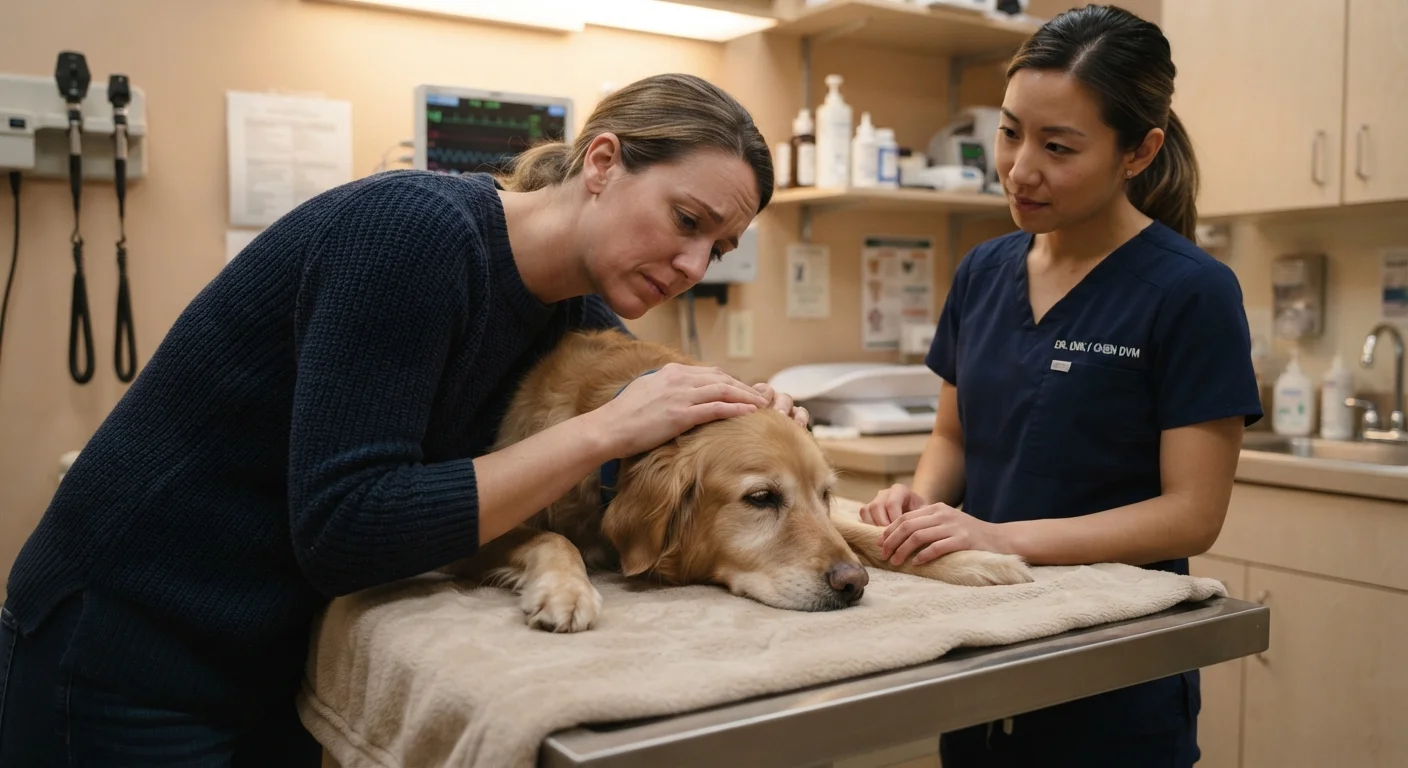
Photo: BridgeWish.com | Reliable Source Of Information editorial
Why Timing Matters in Pet Emergencies
Animals are instinctively wired to mask discomfort, which means visible symptoms often signal that something has been wrong for longer than it appears. When certain signs do surface, the window for effective treatment can be narrow. This article is a reference guide — not a diagnostic tool — but it is designed to help you recognize the situations that warrant an immediate call to your veterinarian rather than a wait-and-see approach.
If you're unsure whether your pet's situation is urgent, this guide on navigating pet medical emergencies can help you think through the decision clearly.
This article provides general health information for educational purposes only and is not a substitute for professional veterinary advice. Always contact a licensed veterinarian for guidance specific to your pet.
Symptoms That Require Immediate Veterinary Attention
The following symptoms should prompt you to contact a veterinarian or emergency animal hospital right away — not the next morning, not after a few hours of monitoring.
Breathing Difficulties
Labored breathing, open-mouth breathing in cats, wheezing, or blue-tinged gums are signs of possible respiratory distress or cardiovascular compromise. These are among the most time-critical symptoms a pet can show.
Suspected Bloat (Gastric Dilatation-Volvulus)
In dogs — especially large or deep-chested breeds — a distended abdomen, unproductive retching, and extreme restlessness may indicate GDV, a life-threatening condition in which the stomach twists. This is a surgical emergency.
Seizures
A single seizure lasting more than five minutes, or multiple seizures within 24 hours, requires emergency care. Even a brief first seizure should be evaluated promptly to identify the underlying cause.
Collapse or Sudden Weakness
A pet that suddenly collapses, cannot stand, or drags its hind limbs may be experiencing a neurological event, cardiovascular problem, or severe internal injury. Do not wait to see if they recover.
Uncontrolled Bleeding or Trauma
Wounds that bleed heavily, puncture wounds from animal bites (which carry infection risk even when small), and any suspected broken bone need same-day veterinary evaluation.
Inability to Urinate — Especially in Cats
A cat straining in the litter box without producing urine may have a urethral blockage, which can become fatal within hours. This is one of the most common feline emergencies seen in veterinary practice.
Suspected Toxin Ingestion
If you know or suspect your pet has ingested a toxic substance — including common household items like certain plants, foods, or medications — contact your vet or an animal poison control hotline immediately. Do not wait for symptoms to appear.
Eye Injuries or Sudden Vision Changes
Cloudy eyes, a visibly protruding eye, or sudden apparent blindness can indicate conditions where hours matter for preserving vision or the eye itself.
Many of these signs can be subtle at first. Learn the behavioral and physical cues that suggest your pet needs veterinary attention, since animals often hide discomfort until it becomes severe.
When to Watch — and When Not to Wait
Not every concerning symptom demands a midnight emergency visit, but certain patterns — symptom clusters, rapid progression, or signs in very young, senior, or immunocompromised pets — should lower your threshold for calling. Common mental traps can lead owners to wait too long when their instincts are telling them something is wrong.
Gradual changes in behavior, appetite, or energy are also worth flagging. See which behavioral changes deserve a closer look from your vet rather than being explained away as normal aging or stress.
When in doubt, call your veterinarian. Most practices prefer an unnecessary call to a delayed emergency. Describe what you're seeing as specifically as possible — onset, duration, and any recent changes in food, environment, or routine — so the team can help you triage effectively.
The content on this site is for informational purposes only and is not a substitute for professional advice. Always consult a qualified professional for guidance specific to your situation.