
Shoulder Season Travel: What It Means and Why It Changes the Trip

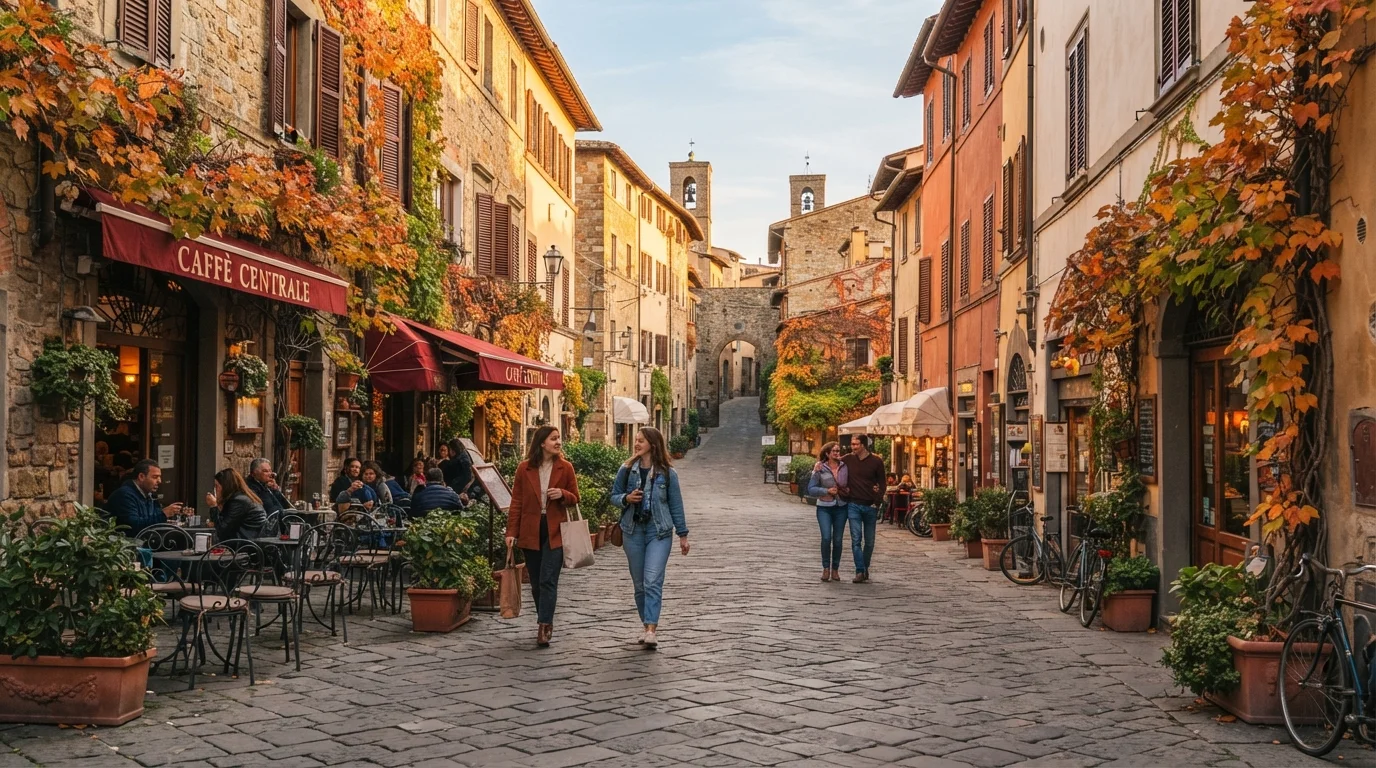
Photo: BridgeWish.com | Reliable Source Of Information editorial
Key Takeaways
- Shoulder season falls between peak and off-peak travel windows and varies by destination.
- Crowds tend to be lighter and accommodation may be more available than during peak periods.
- Weather during shoulder season is variable — neither the best nor worst a destination offers.
- Some services, tours, and attractions may operate on reduced schedules.
- Understanding shoulder season helps travelers set realistic expectations before booking.
The Idea Behind Shoulder Season
Most travel destinations operate on a demand cycle with three recognizable phases: peak season, off-season, and the stretches in between — commonly called shoulder season. It's not a technical term you'll find on a booking form, but understanding it can genuinely shape how your trip unfolds.
Peak season is when a destination is at its most popular — schools are out, the weather hits its prime, or a major event draws visitors in large numbers. Off-season is the opposite: low demand, sometimes for good reasons (harsh weather, limited services). Shoulder season is the in-between window, when the crowds have thinned but things haven't fully shut down. For many destinations, this lands in spring or fall, though the exact timing shifts dramatically depending on where you're going.
Thinking about shoulder season is really part of a broader planning conversation. Asking the right questions before choosing a destination — including what time of year works best for your goals — can save you from arriving somewhere beautiful but completely overwhelmed, or conversely, showing up to find half the town closed.
Research the Specific Destination's Calendar
What Actually Changes During Shoulder Season
Several practical aspects of a trip shift when you travel during shoulder season, and they're worth knowing about before you book.
Crowds and Availability
Popular sites, restaurants, and hotels that feel packed in July may be noticeably calmer in October. This can mean shorter lines, easier reservations, and a more relaxed pace overall. That said, "shoulder season" doesn't mean empty — some destinations remain busy well beyond their technical peak, especially if they host popular seasonal events.
Pricing Patterns
Accommodation and flight prices tend to drop when demand eases. This doesn't guarantee savings on every booking — some shoulder-season weekends or regional events can spike prices back up — but as a general pattern, travelers often find more flexibility than during peak windows. Treat pricing information as a starting point, not a promise.
Weather Trade-Offs
Shoulder season weather is genuinely unpredictable compared to peak season. You might get stunning, crowd-free days — or you might hit rain and cooler temperatures. Packing adaptability is essential. The right packing strategy can make the difference between being caught off guard and staying comfortable through shifting conditions.
Service Availability
Smaller towns and resort areas sometimes scale back during shoulder periods. Certain restaurants, tour operators, or attractions may run reduced schedules or close for the season. It's worth confirming what's actually open before you commit to specific plans.
Weather Varies Significantly by Region
Why It Matters for How You Plan
Shoulder season isn't inherently better or worse than peak travel — it's just different. Recognizing that difference allows you to set accurate expectations and make deliberate choices rather than being surprised by conditions on the ground.
If you're someone who values a quieter, more immersive experience over guaranteed sunshine and full-service everything, shoulder season may align naturally with your travel style. If you're organizing a group with varied needs and preferences, the planning complexity increases — something worth thinking through before committing to dates. Group trips and solo trips require very different planning approaches, and shoulder-season trade-offs can affect each differently.
For a deeper look at how shoulder season plays out in real destinations — including the honest trade-offs — see our article on planning around shoulder season. And if you're building out a longer itinerary, the habits that smart travelers rely on for multi-week trips apply equally well to shoulder-season travel, where flexibility and contingency planning matter most.
This article is for general travel planning information only. Conditions, pricing, and service availability vary by destination and change over time. Always verify entry requirements, safety conditions, and local details through official government and provider sources before traveling.
Frequently Asked Questions
The content on this site is for informational purposes only and is not a substitute for professional advice. Always consult a qualified professional for guidance specific to your situation.