
Solo Travel Destinations: What Makes a Place Genuinely Welcoming to Solo Visitors

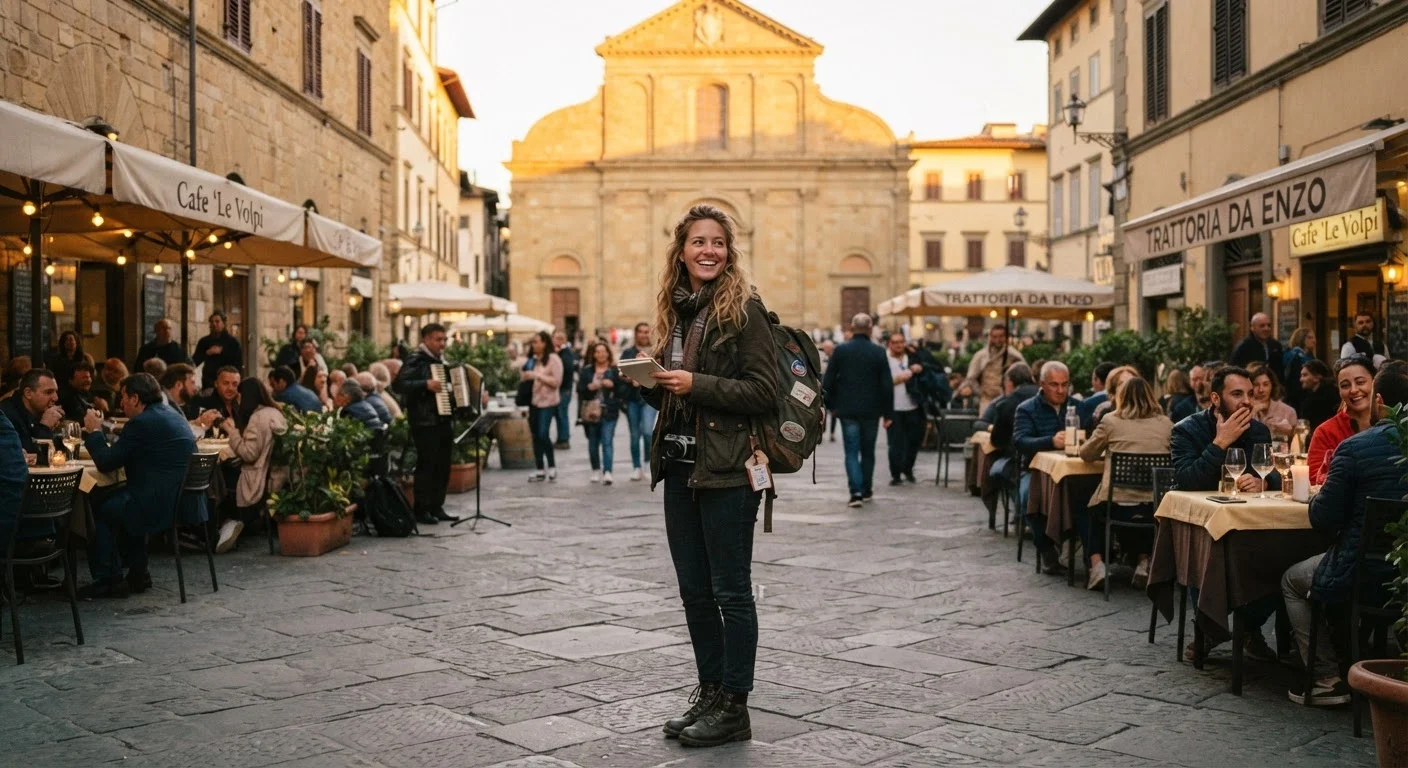
Photo: BridgeWish.com | Reliable Source Of Information editorial
Key Takeaways
- Solo-friendliness is about infrastructure, culture, and social opportunity — not just safety ratings.
- Reliable public transit and walkable neighborhoods dramatically reduce the friction of traveling alone.
- A destination's social scene — hostels, free walking tours, communal dining — shapes how easy it is to meet people.
- Cultural attitudes toward solo visitors, especially solo women, vary significantly and matter greatly.
- Researching entry requirements and local customs before departure is always a traveler's responsibility.
- A place that works brilliantly for one solo traveler may not suit another — personal fit matters.
Why 'Solo-Friendly' Isn't Just a Safety Label
When travelers search for the best solo destinations, safety is usually the first filter — and it matters. But reducing solo-friendliness to a crime statistic misses most of what actually determines whether a trip goes well. A destination can have low crime rates and still feel deeply isolating, logistically exhausting, or culturally unwelcoming to someone on their own.
Genuine solo-friendliness is a layered quality. It includes how easy it is to get around without a car or local guide, how welcoming locals and fellow travelers are to single visitors, whether the social infrastructure exists to facilitate meeting people, and whether the destination's layout and culture accommodate solo dining, solo exploring, and solo downtime without stigma or friction.
If you're still deciding whether solo travel is the right move at all, understanding how solo planning differs from group travel is a useful starting point.
Start with Your Own Comfort Baseline
Infrastructure: The Practical Foundation
Nothing shapes a solo traveler's experience more consistently than getting around. Destinations with reliable, affordable public transit — metro systems, intercity trains, well-organized bus networks — give solo visitors independence that private-car-dependent places simply don't. Walkability matters equally: compact, pedestrian-friendly city centers mean you can explore on your own schedule without flagging down a taxi or deciphering rideshare apps in an unfamiliar language.
Clear wayfinding (multilingual signage, easy-to-read maps) reduces the cognitive load that can make solo travel feel exhausting. Strong tourism infrastructure — visitor information centers, well-marked trails, accessible booking systems — signals that a destination actively accommodates outside visitors rather than merely tolerating them.
~70%
Solo travelers who cite safety as primary concern
Multiple travel industry surveys consistently find that safety is the top stated concern among solo travelers, though infrastructure and social opportunity rank closely behind.
1 in 4
Leisure trips taken without a companion
Industry research from travel booking platforms has estimated that roughly a quarter of leisure trips are now taken solo, a share that has grown steadily over the past decade.
80%+
Solo travelers who are women
Surveys from multiple travel organizations suggest women account for the substantial majority of solo leisure travelers, making gender-specific safety and cultural considerations especially relevant.
For those considering a slower, deeper approach to solo exploration, slow travel pairs especially well with destinations that already have strong infrastructure for independent visitors.
Social Scene: Turning Solo Into Connected
One of the quieter anxieties around solo travel is loneliness — and whether you encounter it depends significantly on a destination's social ecosystem. Places with active hostel cultures, free walking tours, communal cooking classes, and traveler-oriented common spaces naturally generate opportunities to meet others. Solo travelers don't need to seek connection aggressively; they need an environment where it happens organically.
Beyond traveler-focused venues, destinations where locals are openly curious about visitors — where striking up a conversation at a market stall or a neighborhood bar feels natural rather than awkward — offer a richer, more layered solo experience. This cultural dimension is harder to research from home but shows up consistently in seasoned travelers' accounts.
Cultural Fit: Who Feels Genuinely Welcome
Cultural attitudes toward solo visitors vary widely, and they don't always align with a country's overall reputation. Some destinations that rank highly on general safety indices have deeply ingrained social norms around group dining or couple-oriented tourism that make solo travelers feel conspicuous or unwelcome. Others — cities with strong cafe cultures, destinations with long histories of independent tourism — have absorbed solo visitors so thoroughly that arriving alone draws no particular attention.
For solo women specifically, cultural attitudes toward women traveling independently are a meaningful variable. This isn't about avoiding entire regions but about going in with accurate expectations and — where appropriate — adjusting logistics. Recent firsthand accounts from travelers with similar profiles are often more useful than broad country-level rankings.
Use a structured approach to narrow your options based on your own travel style and priorities — our destination self-assessment guide walks through the key questions worth asking before you commit.
Always Verify Entry and Safety Information Officially
Frequently Asked Questions
The content on this site is for informational purposes only and is not a substitute for professional advice. Always consult a qualified professional for guidance specific to your situation.