
Myths About Traveling Solo That Keep People From Going

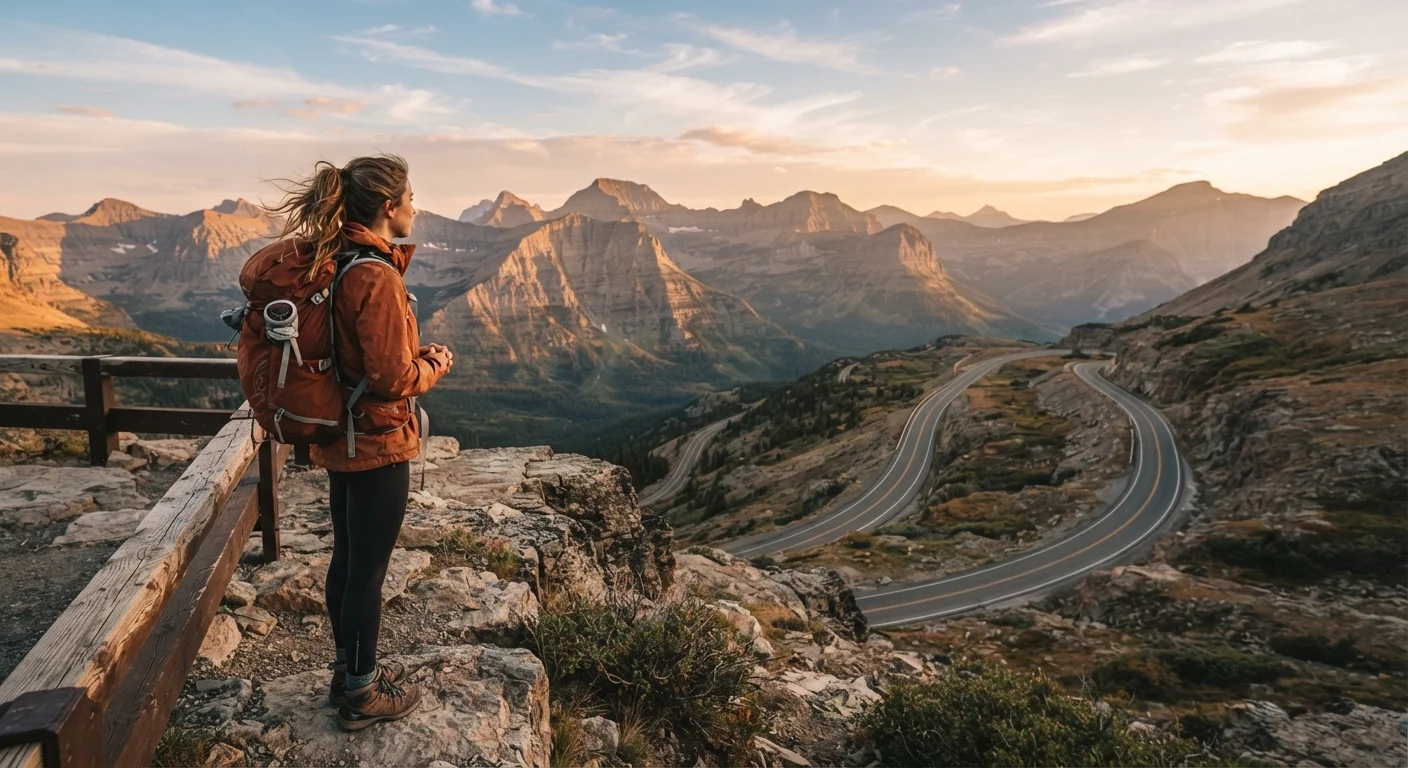
Photo: BridgeWish.com | Reliable Source Of Information editorial
Key Takeaways
- Solo travel is not inherently more dangerous than group travel when basic precautions are followed.
- Traveling alone is often more affordable than assumed, with flexible options for every budget.
- Loneliness is rarely the dominant experience—solo travelers frequently report meaningful social connections.
- You don't need extensive travel experience to take your first solo trip.
- Women and older travelers successfully travel solo in large numbers every year.
Why Solo Travel Myths Are So Persistent
Solo travel carries a reputation shaped more by fear and outdated assumptions than by how it actually works today. The internet is full of cautionary stories, and well-meaning friends and family often project their own hesitations onto your plans. The result: plenty of people who genuinely want to travel alone talk themselves out of it before they ever pack a bag.
The good news is that most of the fears holding people back don't survive contact with evidence. Below, we address the most common myths directly—not to dismiss real concerns, but to give you a clearer, more accurate picture of what solo travel actually involves.
Myth
Solo travel is too dangerous—you're a target without anyone watching your back.
Fact
Risk varies far more by destination and behavior than by whether you're traveling alone or with others.
The fear of vulnerability is understandable, but it often outpaces actual risk. Situational awareness, researching your destination in advance, and taking standard precautions—like keeping digital copies of documents and staying in well-reviewed accommodations—reduce risk significantly whether you're alone or in a group. Many risks that feel solo-specific (like getting lost or falling ill) are equally possible with companions. For destination-specific context, check the U.S. State Department's travel advisories, which offer current, country-level safety information. See what traits actually define a welcoming destination in our guide to genuinely solo-friendly places.
Myth
Solo travel costs more because you can't split hotel rooms, flights, or tours.
Fact
Solo travel can be quite cost-effective when you plan with solo-friendly options in mind.
Yes, the dreaded single supplement—an extra fee hotels and cruise lines charge solo occupants—exists on some bookings. But it's far from universal. Hostels, guesthouses, and home-share platforms often price per person by default. Many tour operators have eliminated or reduced solo surcharges in response to growing demand. Flexible travel dates, cooking some meals yourself, and choosing destinations where the dollar stretches further all help. The bigger factor shaping cost is usually destination choice and flexibility, not whether you have a travel companion. Don't miss our look at commonly repeated trip-planning beliefs that often mislead travelers.
Myth
You'll be lonely the entire time—eating alone at restaurants is awkward and sad.
Fact
Solo travelers routinely describe their trips as among the most socially rich experiences of their lives.
Traveling alone makes you more approachable and more likely to engage with locals and other travelers. Shared accommodations, food tours, cooking classes, and day excursions naturally create conversation. Eating solo at a restaurant bar or counter is a normal, accepted practice in most of the world—and often leads to great local recommendations. If shared spaces appeal to you, modern hostels have evolved well beyond their outdated reputation and offer built-in social environments for all ages.
Myth
Solo travel is only for young, experienced adventurers—beginners and older travelers shouldn't try it.
Fact
People across all age groups and experience levels travel solo successfully every year.
There's no experience prerequisite for a solo trip. A weekend trip to a nearby city, a guided group tour where logistics are handled for you, or a cruise are all legitimate entry points for first-timers. Older travelers in particular are one of the fastest-growing segments of the solo travel market, often citing freedom and personal pace as the primary appeal. The key is matching destination difficulty and trip structure to your current comfort level—then expanding from there. If you're weighing whether to go alone or invite others, our breakdown of how group and solo trip planning differ can help clarify the tradeoffs.
Myth
Solo travel is unsafe for women—it's just not practical in most of the world.
Fact
Women travel solo to virtually every corner of the world, and many destinations are widely considered welcoming.
This myth can feel protective but ultimately discourages women from pursuing travel that millions successfully and enjoyably undertake. Risk is real in specific contexts, but the blanket assumption that solo female travel is impractical globally isn't supported by experience. Smart preparation—researching local norms, dressing appropriately for the setting, choosing well-located accommodations, and trusting your instincts—applies to any traveler and mitigates risk substantially. Online communities of solo female travelers are also an excellent resource for destination-specific, firsthand advice. Explore what makes a destination genuinely welcoming for solo visitors beyond just safety ratings.
What Solo Travel Actually Requires From You
Stripping away the myths leaves a more honest picture: solo travel does require preparation, flexibility, and a willingness to be comfortable with some uncertainty. You'll make decisions no one else can second-guess, manage logistics independently, and occasionally navigate unfamiliar situations without backup. For many travelers, that's precisely the appeal.
~25%
Share of all leisure travelers going solo
Industry surveys in recent years have consistently found roughly a quarter of leisure travelers report taking at least one solo trip annually.
~60%
Solo travelers who are women
Multiple travel industry reports indicate women make up a majority of solo travelers, countering the assumption that solo travel skews male or young.
The practical skills involved—reading maps, communicating across language barriers, managing a travel budget—develop quickly on the road. First trips don't need to be ambitious. A solo weekend domestically, a guided group tour abroad, or a destination with strong tourism infrastructure are all reasonable starting points that build confidence without requiring prior expertise.
The most useful thing you can do before any solo trip is research: understand the destination's entry requirements, safety environment, and cultural expectations. Always verify visa, health, and entry requirements with official government sources before you travel, as these details change and no article can substitute for current official guidance.
Always Verify Entry and Safety Requirements Officially
The content on this site is for informational purposes only and is not a substitute for professional advice. Always consult a qualified professional for guidance specific to your situation.