
Buying a Car From a Private Seller: A First-Timer's Walkthrough

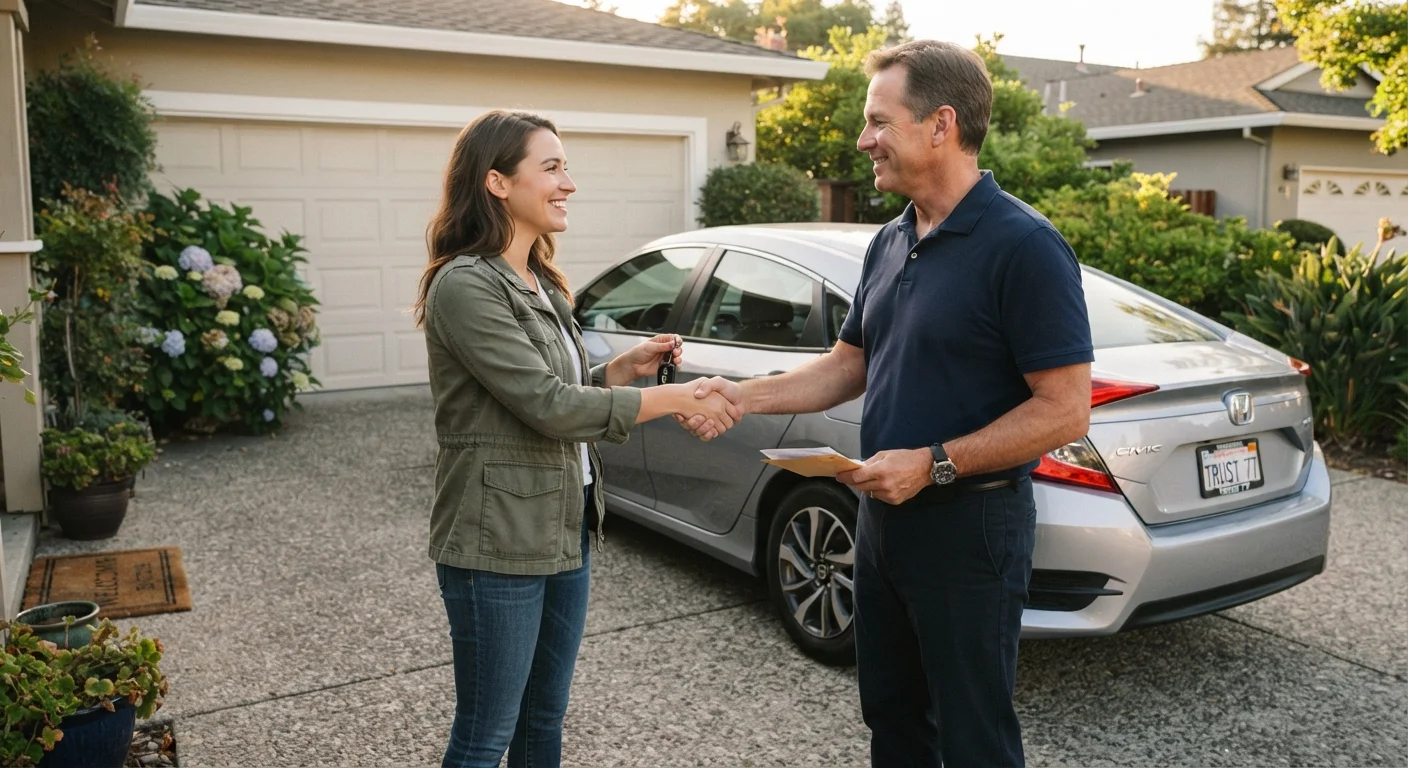
Photo: BridgeWish.com | Reliable Source Of Information editorial
Key Takeaways
- Private sales typically cost less than dealer purchases but come with no warranty or consumer protections.
- Always run a vehicle history report and have an independent mechanic inspect the car before buying.
- Never hand over cash until the title is clean, signed, and in your hands.
- Payment should be made via cashier's check or another traceable method - avoid personal checks from either party.
- Title transfer and re-registration deadlines vary by state; check your DMV's rules promptly after purchase.
Why Buy From a Private Seller?
Purchasing a used car directly from an individual owner rather than a dealership is one of the oldest ways to save money on a vehicle. Because private sellers don't carry overhead costs - no lot, no sales staff, no reconditioning fees - their asking prices are generally lower than comparable dealer inventory for the same vehicle.
That savings comes with trade-offs. Private sales are almost always sold as-is, meaning no warranty, no return policy, and no dealer-mandated inspection backstop. You're also dealing with someone who has a personal stake in the transaction, which changes the negotiation dynamic entirely.
For first-time buyers wondering how the broader car-buying process compares, our step-by-step overview of buying a car is a useful starting point before diving into the private-sale specifics below.
Researching the Vehicle Before You Meet
Before you respond to a listing, gather as much information as possible from a distance. Ask the seller for the Vehicle Identification Number (VIN) - a 17-character code unique to every car - and run it through a vehicle history service. A history report can reveal prior accidents, title problems, odometer rollbacks, and whether the car has ever been declared a total loss.
VIN
A Vehicle Identification Number is a unique 17-character code assigned to every motor vehicle. It's used to track a car's history, including past owners, accidents, and title status.
Clean title
A clean title means the vehicle has no major legal or financial claims against it - no outstanding liens, and it has never been declared a total loss or salvage by an insurer.
Bill of sale
A written document that records the details of a vehicle transaction, including the names of buyer and seller, sale price, date, and vehicle description. It serves as your legal proof of purchase.
Pre-purchase inspection (PPI)
An examination of a used vehicle performed by an independent mechanic before you buy it. The goal is to identify existing mechanical problems that could affect the car's value or safety.
Lien
A lender's legal claim on a vehicle used as collateral for an auto loan. A car with an active lien cannot be cleanly transferred to a new owner until the loan is paid off.
Odometer disclosure
A federally required statement in which the seller certifies the vehicle's current mileage reading. It helps protect buyers from odometer fraud.
Cross-reference the seller's asking price against pricing guides that aggregate real-world transaction data for that make, model, year, mileage, and condition. If the price is significantly below market, ask why - it may indicate a problem the seller isn't volunteering.
Also confirm that the person selling the car is actually listed on the title. Mismatches between the seller's ID and the title name are a red flag that deserves a clear explanation before you proceed.
The In-Person Inspection and Test Drive
Arrange to see the car in daylight, in a neutral location, and ideally bring a trusted second set of eyes. Walk around the entire exterior looking for panel gaps, mismatched paint, or rust. Inside, check all electronics, the HVAC system, and seat adjustments. Pop the hood and look for fluid leaks, corrosion on the battery terminals, and the condition of belts and hoses.
Always Get an Independent Inspection
Before committing, pay an independent mechanic - someone with no connection to the seller - to perform a pre-purchase inspection (PPI). Many shops will do this for a modest flat fee. A PPI can surface hidden mechanical issues that neither you nor the seller may have noticed, and it gives you documented leverage during price negotiations.
During the test drive, vary your speed, test the brakes firmly, and make sure the car tracks straight without pulling. Listen for unusual noises at idle, under acceleration, and during braking.
Negotiating the Price
Private-party negotiation is more personal than haggling at a dealership. Start by knowing the vehicle's realistic market value and any repair costs identified in the PPI. Lead with facts, not emotion: specific repair estimates or comparable listings carry more weight than a vague request for a lower price.
Rushed Sellers Are a Red Flag
A reasonable seller will expect some negotiation. Lowball offers can offend and kill a deal; reasonable, documented counter-offers are more effective. If the seller is firm at a price you can't justify, it's perfectly acceptable to walk away - other vehicles are always available.
Once you've agreed on a number, confirm it covers everything: the car, any accessories, and any agreed-upon repairs. Get nothing verbal - put the final agreed price in writing on the bill of sale.
Paperwork, Payment, and Title Transfer
The paperwork phase is where many first-timers stumble. At minimum, you need:
- Signed title: The seller signs the back of the title over to you. Verify the VIN, odometer reading, and sale price fields are completed accurately.
- Bill of sale: A written record of the transaction. Many states have official forms; others accept a signed, dated document with the buyer's and seller's names, the vehicle description, VIN, sale price, and condition.
- Odometer disclosure statement: Required by federal law for most vehicles under ten years old.
For a detailed checklist of what to review before signing, see our guide on what to verify before signing a used car purchase agreement.
Payment should be made via cashier's check drawn from a bank, or another traceable method agreed upon in advance. Avoid large cash transactions; avoid personal checks. Both parties should keep copies of all signed documents.
If the car carries an outstanding loan, the seller's lender holds the title. In this case, coordinate payoff directly with the lender - some banks will facilitate a simultaneous payoff-and-transfer at a branch.
After the Sale: Registration and Next Steps
Once you have the signed title and bill of sale in hand, your next stop is your state's Department of Motor Vehicles (DMV) or equivalent agency. Most states require you to register the vehicle and pay any applicable sales tax and title transfer fees within a set window - often 10 to 30 days. Missing this deadline can result in late penalties.
If you haven't already, contact your insurer to add the vehicle to your policy. Coverage should be active before you drive the car on public roads. Once registered, keep a copy of your bill of sale and the old title for your records - these documents establish your chain of ownership.
From here, a maintenance review is a smart next move. Our car maintenance hub can help you establish a service baseline for your newly acquired vehicle and catch anything the PPI flagged before it becomes a larger problem.
This article is for general informational purposes only and does not constitute legal or financial advice. Requirements for vehicle titles, registration, and taxes vary by state. Verify all requirements with your state's DMV and consult a qualified professional for guidance specific to your situation.
Frequently Asked Questions
The content on this site is for informational purposes only and is not a substitute for professional advice. Always consult a qualified professional for guidance specific to your situation.