
Buying vs. Leasing a Car: Which Path Makes More Sense?

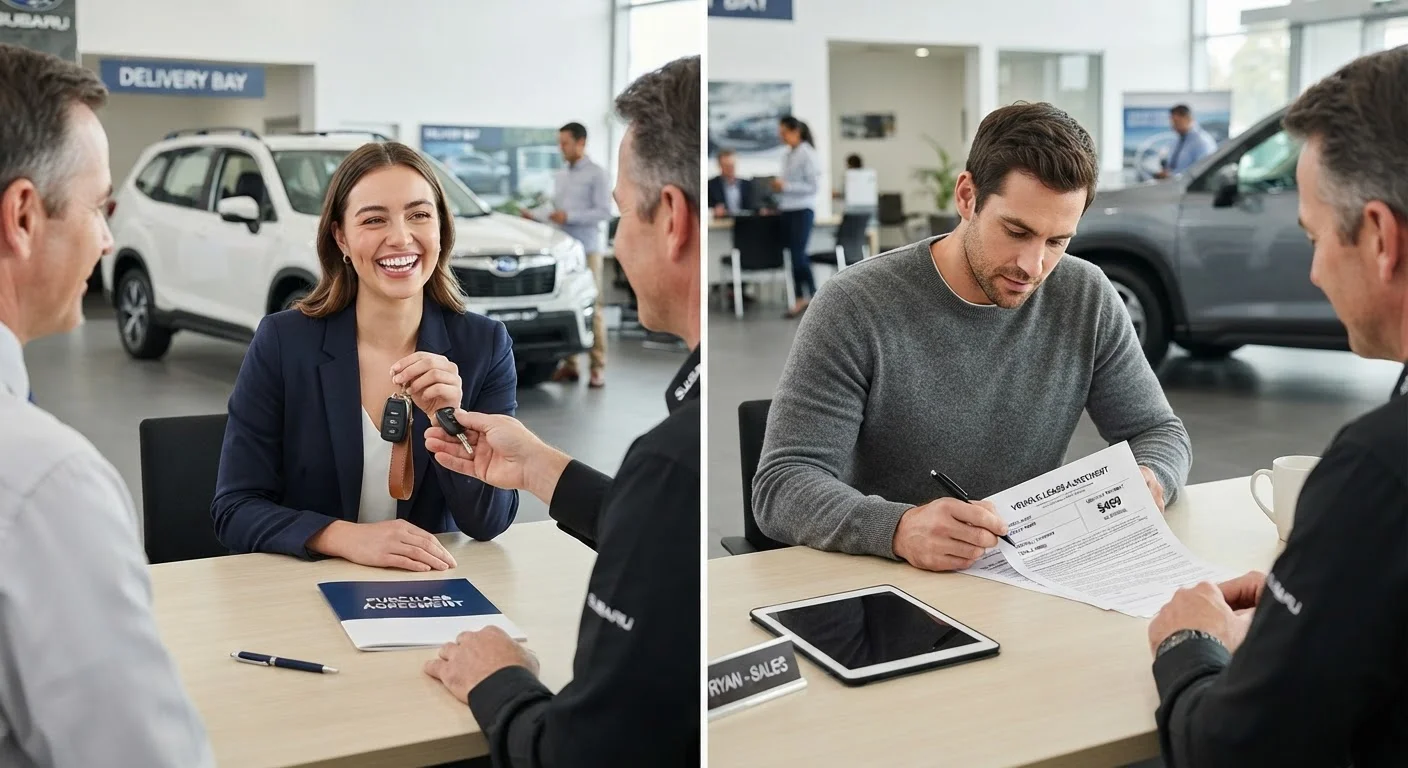
Photo: BridgeWish.com | Reliable Source Of Information editorial
Key Takeaways
- Buying builds equity over time; leasing offers lower monthly payments but no ownership.
- High-mileage drivers and long-term owners typically benefit more from buying.
- Lease contracts carry penalties for excess mileage and excessive wear and tear.
- Your credit score, down payment, and driving habits all meaningfully affect which option costs less.
- Neither buying nor leasing is universally better - the right choice is personal and situational.
How Each Option Actually Works
When you buy a vehicle - whether with cash or financing - you become the legal owner. You build equity as the loan is paid down, can modify the car as you like, and face no restrictions on mileage. Once the loan is paid off, you own the asset outright, and ongoing costs drop to maintenance and insurance.
When you lease, you're essentially paying to use a vehicle for a set term - typically 24 to 48 months - based on its projected depreciation over that period. At lease end, you return the car (or exercise a purchase option). For a plain-language breakdown of what lease contracts actually contain, see how car leases work.
The core structural difference: buying is a path to ownership; leasing is a long-term rental with specific conditions attached.
The Real Financial Comparison
Monthly lease payments are almost always lower than loan payments on the same vehicle - sometimes significantly so. That's because you're only financing the depreciation portion, not the full vehicle value. However, lower monthly costs don't automatically mean leasing is cheaper overall.
| Buying | Leasing | |
|---|---|---|
| Monthly payment | Higher (full vehicle value) | Lower (depreciation only) |
| Ownership | Yes, after loan payoff | No - vehicle returned at term end |
| Mileage limits | None | Typically 10,000-15,000 miles/year |
| Long-term cost | Lower if vehicle kept post-payoff | Higher if leasing continuously |
| Customization | Unrestricted | Prohibited by contract |
| Exit flexibility | Sell or trade anytime | Early termination is expensive |
| Equity built | Yes | None |
Over a 10-year horizon, a driver who buys a vehicle and keeps it after payoff typically spends less than someone who leases continuously - assuming reasonable maintenance costs. But a buyer also absorbs all depreciation risk and repair costs once the warranty expires.
For a deeper look at the new-versus-used dimension of buying, the financial trade-offs between new and used cars are worth understanding before you negotiate.
~30%
Typical first-year new car depreciation
Industry data consistently shows new vehicles lose roughly 20-30% of value within the first year, which affects the total cost of ownership for buyers.
$0.25
Common excess mileage charge per mile
Many lease agreements charge between $0.15 and $0.30 per mile over the contracted limit, according to consumer finance resources tracking auto lease terms.
Key Factors That Should Drive Your Decision
Annual mileage: Most leases cap mileage at 10,000-15,000 miles per year. Exceeding that triggers per-mile overage charges - commonly $0.15 to $0.30 per mile - that can add up quickly. If you drive more than 15,000 miles annually, buying typically makes more practical sense.
How long you plan to keep the vehicle: Leasing rewards those who want a new vehicle every two to three years. Buyers who hold vehicles for seven or more years after payoff often come out ahead financially.
Flexibility and customization: Bought vehicles can be modified freely. Leased vehicles must be returned in near-original condition - aftermarket modifications are generally prohibited.
Credit profile and upfront cash: Both options require creditworthiness, but lease approvals can be more sensitive to credit score. Down payments on a lease are sometimes called "cap cost reductions" and reduce monthly payments - though putting a large sum down on a lease offers less financial protection than on a purchase.
Negotiate the Capitalized Cost, Not Just the Payment
If you're weighing how to pay for a purchase, financing versus paying cash involves its own set of trade-offs worth examining separately.
Risks and Hidden Costs to Watch For
Leasing carries costs that aren't always obvious upfront. Beyond mileage overages, lease contracts typically include:
- Disposition fees: Charged at lease end if you don't purchase the vehicle or lease another from the same manufacturer, often $300-$500.
- Excess wear-and-tear charges: Subjectively assessed at return; minor dents, interior stains, or tire wear beyond normal standards can generate unexpected bills.
- Early termination penalties: Breaking a lease before the contract ends is costly - sometimes as expensive as completing the lease.
Buying carries its own risks: depreciation hits hardest in the first two to three years, and out-of-warranty repair costs are entirely the owner's responsibility. For a broader look at how these dynamics compare across different decision types, why neither leasing nor buying is universally right offers additional perspective.
Down Payments on Leases Carry a Unique Risk
The content on this site is for informational purposes only and is not a substitute for professional advice. Always consult a qualified professional for guidance specific to your situation.