
New Car vs. Used Car: Breaking Down the Financial Trade-Offs

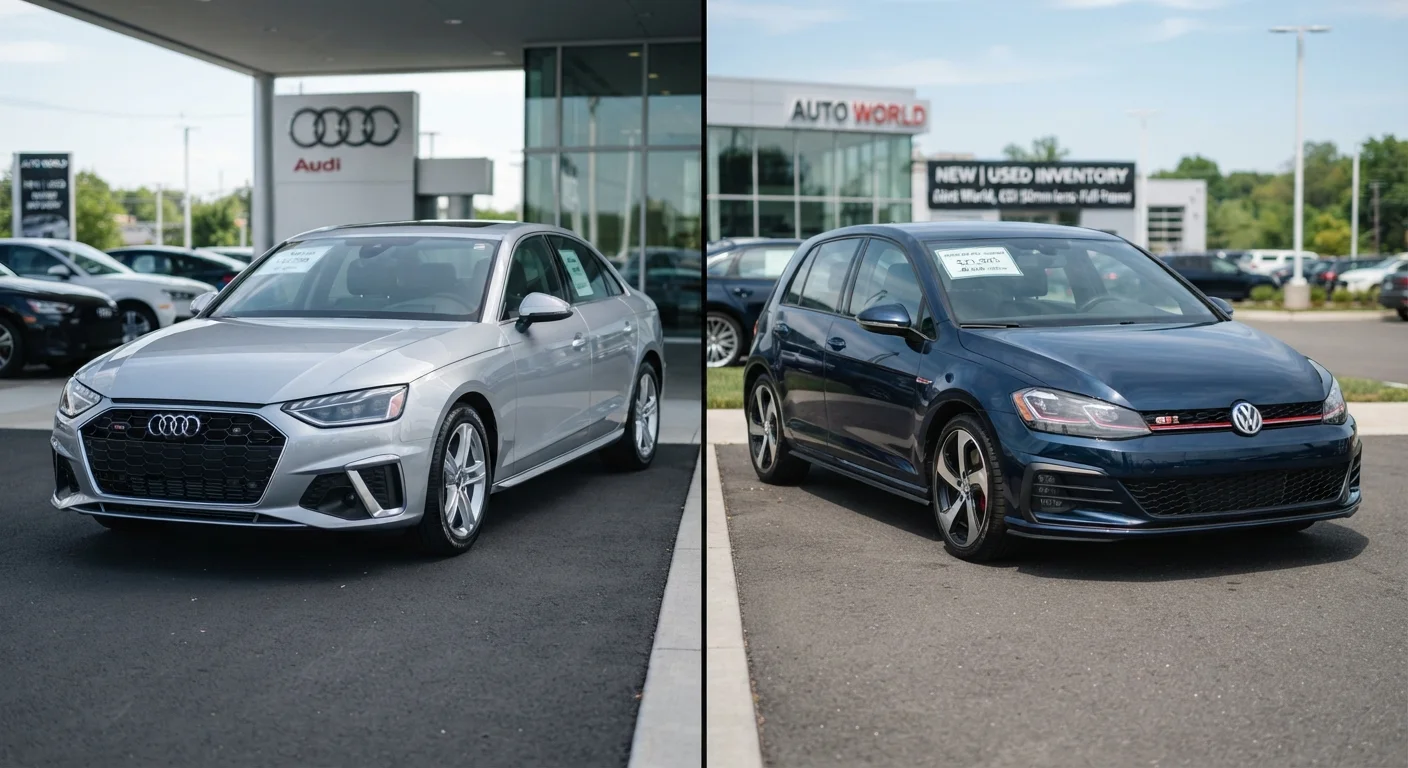
Photo: BridgeWish.com | Reliable Source Of Information editorial
Key Takeaways
- New cars lose roughly 20% of their value within the first year of ownership.
- Used cars typically carry higher loan interest rates than new cars due to lender risk assessments.
- Certified pre-owned programs can bridge the gap between new and used on reliability and warranty coverage.
- Total cost of ownership - not sticker price alone - is the most reliable basis for comparison.
- Your credit score significantly affects which financing option delivers better value.
The Depreciation Divide
Depreciation is the single largest financial factor separating new from used, and it's one most buyers underestimate. New vehicles typically lose around 15-20% of their value in the first year alone, and roughly 50% within five years. That initial drop happens the moment a vehicle is titled - not after miles accumulate.
When you buy a used car that is already two or three years old, a previous owner has absorbed that sharpest decline. You're effectively purchasing a vehicle at or near a stabilized depreciation curve. For a deeper look at how this mechanism works, see our guide to car depreciation.
That said, depreciation only matters directly if you sell or trade the vehicle. Long-term keepers experience it as reduced resale value rather than an immediate cash loss. Some vehicle categories hold value significantly better than others, which can narrow the new-vs-used gap depending on what you're buying.
| Criterion | New Car | Used Car |
|---|---|---|
| Purchase Price | Higher upfront cost | Lower upfront cost |
| Depreciation Exposure | Absorbs first-year drop (~15-20%) | Curve already partially absorbed |
| Financing APR | Generally lower rates available | Typically higher rates |
| Warranty Coverage | Full manufacturer warranty | Partial, none, or CPO-extended |
| Insurance Cost | Generally higher premiums | Generally lower premiums |
| Repair Predictability | High - covered under warranty | Variable - depends on vehicle history |
| Available Features | Latest safety & tech standard | Varies by model year |
| Long-Term Value (10+ years) | Depreciation cost spreads out | Lower base, but older at start |
Financing Rates and Total Loan Cost
Lenders treat new and used car loans differently. New vehicles typically qualify for lower annual percentage rates (APRs) because they carry less uncertainty - their condition and value are known quantities. Used car loans, by contrast, are considered higher risk, and interest rates reflect that.
The practical result: a buyer financing a used vehicle at a meaningfully higher APR can end up paying more in interest over the loan term than they saved on the sticker price, depending on loan size and duration. Running the actual numbers - using the specific purchase price, APR, and loan term you're considering - is essential before assuming the used vehicle is the cheaper option overall.
~20%
Average first-year new car depreciation
Industry estimates consistently place first-year depreciation between 15% and 20% of a new vehicle's purchase price.
1-4%+
Typical APR gap: new vs. used loans
Used car loan rates from lenders often run one to four or more percentage points higher than comparable new car loan rates, depending on credit profile and lender.
~50%
Value lost in first five years
Broadly cited industry data suggests the average vehicle retains roughly half its original value after five years of ownership.
Your credit profile plays a direct role here. Buyers with strong credit may access promotional new-car financing rates that are difficult to match on the used side. Buyers with limited or damaged credit may find that the lower purchase price of a used car does more to reduce monthly payments than any rate difference. For a broader look at how payment structure affects total cost, see how financing compares to paying cash. Your credit and debt profile also shapes which options are realistically available to you.
Warranties, Reliability, and Ongoing Costs
New cars come with manufacturer warranties - typically three years or 36,000 miles for bumper-to-bumper coverage and five years or 60,000 miles for powertrain. That coverage provides a predictable cost floor for repairs during the ownership period.
Used vehicles may have no remaining warranty, a partial one, or - if purchased as a certified pre-owned (CPO) unit - an extended manufacturer-backed warranty. CPO programs vary significantly by automaker, so reviewing what's actually covered is important. Our breakdown of CPO vs. standard used cars explains what those labels typically include.
Certified Pre-Owned: A Middle Path
Maintenance costs tend to be lower and more predictable in the early years of a new vehicle's life. Older used cars may require more frequent repairs, though this varies substantially by vehicle history, mileage, and how well it was maintained. Checking a vehicle history report and having an independent mechanic inspect any used vehicle before purchase are standard steps worth taking - our pre-purchase verification checklist covers what to look for. Ongoing maintenance practices also affect how long any vehicle - new or used - remains reliable.
Making the Call: Total Cost of Ownership
Sticker price is a starting point, not a conclusion. Total cost of ownership - purchase price, financing interest, insurance premiums (new cars typically cost more to insure), fuel, maintenance, and resale value - is the only reliable comparison framework.
For most buyers, the financially sound approach is to model both scenarios with realistic numbers for their credit profile, intended ownership duration, and driving habits. Buyers who plan to sell within a few years are more exposed to depreciation losses on a new vehicle. Those keeping a car for a decade can spread that cost over enough time to make new a reasonable choice.
If you're also weighing whether to own outright or finance, see the trade-offs between financing and paying cash. And if you're comparing buying versus leasing entirely, our buying vs. leasing breakdown walks through that decision clearly.
This article is for general informational and educational purposes only and does not constitute financial or purchasing advice. Consult a qualified financial professional for guidance tailored to your individual circumstances.
The content on this site is for informational purposes only and is not a substitute for professional advice. Always consult a qualified professional for guidance specific to your situation.