
Car Depreciation Explained: Which Vehicles Hold Their Value and Why

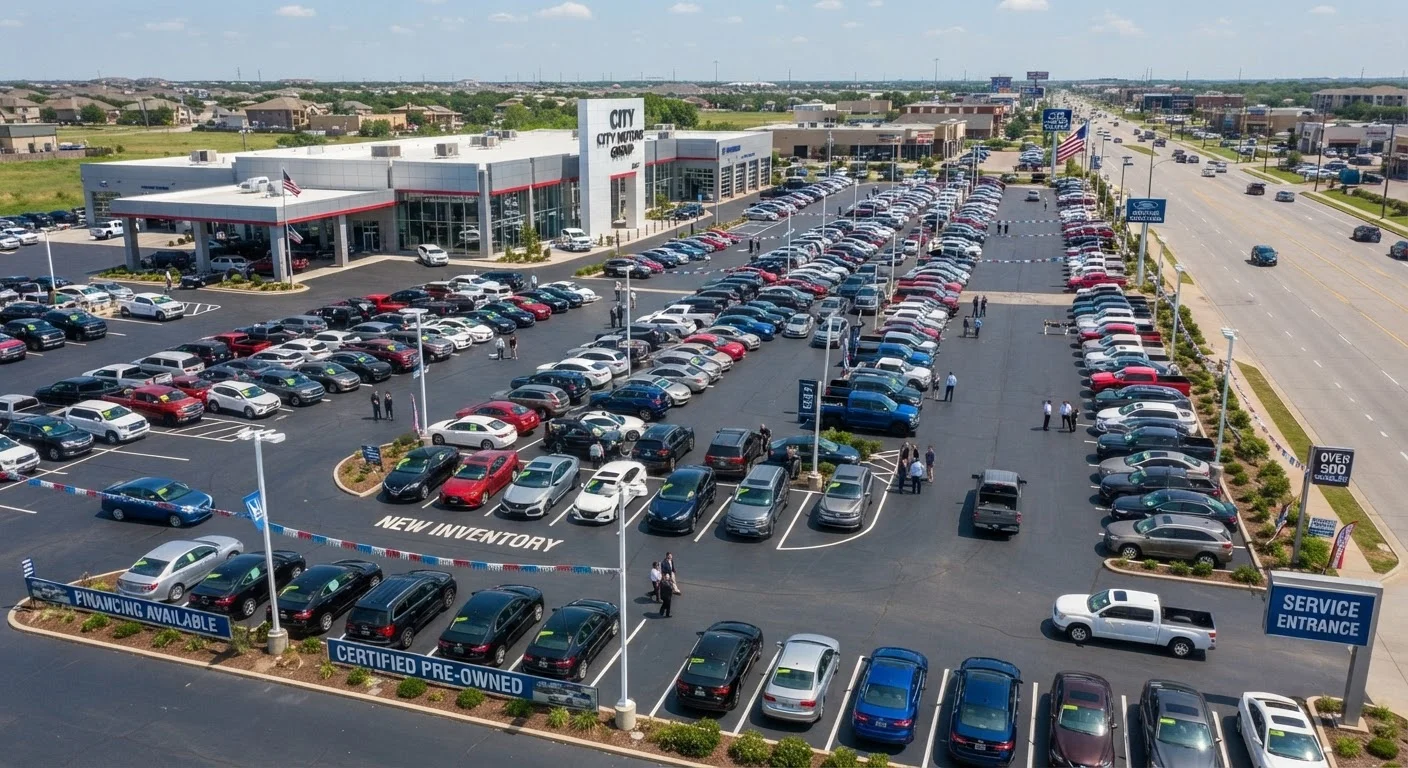
Photo: BridgeWish.com | Reliable Source Of Information editorial
Key Takeaways
- Most new cars lose 15-25% of their value in the first year alone.
- Reliability reputation, brand perception, and fuel efficiency are key drivers of value retention.
- Trucks and SUVs with strong utility demand tend to depreciate more slowly than sedans.
- Buying a two- to three-year-old used vehicle can help you avoid the steepest depreciation curve.
- Depreciation directly affects how much you can recoup when trading in or selling your vehicle.
How Depreciation Works: The Basics
Depreciation isn't unique to cars - real estate, electronics, and equipment all lose value over time - but vehicles depreciate especially fast. A new car can lose roughly 20% of its value in the first year and up to 60% over five years, according to widely cited automotive industry data.
The steepest drop happens immediately. The gap between a brand-new car price and a one-year-old equivalent reflects what's often called the "new car premium" - the markup buyers pay for being the first owner. Once that novelty is gone, so is a significant chunk of the vehicle's value. Learn more about when depreciation hits hardest and how it shapes the real cost of ownership.
~20%
Average first-year new car value loss
Industry data consistently shows most new vehicles shed roughly one-fifth of their purchase price within 12 months of ownership.
~60%
Value lost over five years (average vehicle)
Automotive valuation analysts estimate the average car retains only about 40% of its original value after five years on the road.
Top 3
Slowest-depreciating category: pickup trucks
Pickup trucks have ranked among the best value-retention vehicle types in the US market across multiple annual depreciation studies.
Key Factors That Determine How Fast a Car Loses Value
Not all vehicles depreciate at the same rate. Several concrete factors drive the difference:
- Reliability reputation: Models with long track records of mechanical dependability tend to command higher resale prices. Buyers are willing to pay more for used vehicles they trust will keep running.
- Brand perception: Consumer confidence in a brand - shaped by years of quality data and owner reviews - directly influences resale demand.
- Fuel efficiency: When fuel prices are elevated, fuel-efficient vehicles see stronger demand and slower depreciation. Gas-hungry models can fall faster when running costs become a concern.
- Supply and demand: Limited production runs, discontinued models, or vehicles with persistent waitlists often hold value better. Oversupply pushes prices down.
- Trim level and options: Well-equipped vehicles in popular configurations tend to depreciate more slowly than stripped-down base trims or over-specced versions with costly options few buyers want.
- Condition and mileage: A well-maintained, lower-mileage vehicle holds its value relative to a comparable high-mileage or neglected example. Routine maintenance is one of the most effective ways to protect resale value.
Protect Resale Value with Basic Upkeep
Vehicle Categories: Who Wins and Who Loses
Pickup trucks and body-on-frame SUVs have historically been among the slowest-depreciating vehicle types in the US market. Their utility, towing capability, and consistent consumer demand create a robust secondary market that supports stronger residual values.
Sedans - particularly large, domestic sedans - have faced faster depreciation as buyer preferences shifted toward crossovers and SUVs. Luxury vehicles present a mixed picture: premium brands can hold value if demand stays strong, but high-end models with expensive repair histories may shed value quickly once warranties expire.
Electric vehicles are a newer and evolving category. Some have shown fast depreciation linked to rapid technology changes and buyer uncertainty about battery longevity, while others with loyal followings have outperformed expectations. The EV resale market is still maturing. For a broader look at how depreciation factors into the new vs. used decision, see what the numbers actually tell you about new vs. used cars.
How to Use Depreciation to Your Advantage
Understanding depreciation turns it from a passive loss into a planning tool. Buying a vehicle that's two to three years old lets you avoid the sharpest part of the depreciation curve while still getting a relatively modern car. The original owner absorbs the biggest hit; you benefit from a lower purchase price.
When selling or trading in, timing matters. A vehicle with lower-than-average mileage, a clean maintenance record, and no accident history will consistently command more from private buyers than from dealers. Researching current market values before any transaction - rather than relying solely on dealer offers - gives you a realistic baseline.
Depreciation is also a core component of total ownership cost. If you're evaluating two vehicles with similar purchase prices, the one that holds its value better is likely the more economical choice over a five-year horizon. Explore the full picture of what car ownership costs beyond the sticker price.
This article provides general educational information about vehicle depreciation and is not personalized financial or purchasing advice. For decisions involving significant financial commitments, consider consulting a qualified financial professional.
Frequently Asked Questions
The content on this site is for informational purposes only and is not a substitute for professional advice. Always consult a qualified professional for guidance specific to your situation.