
New Car vs. Used Car: What the Numbers Actually Tell You

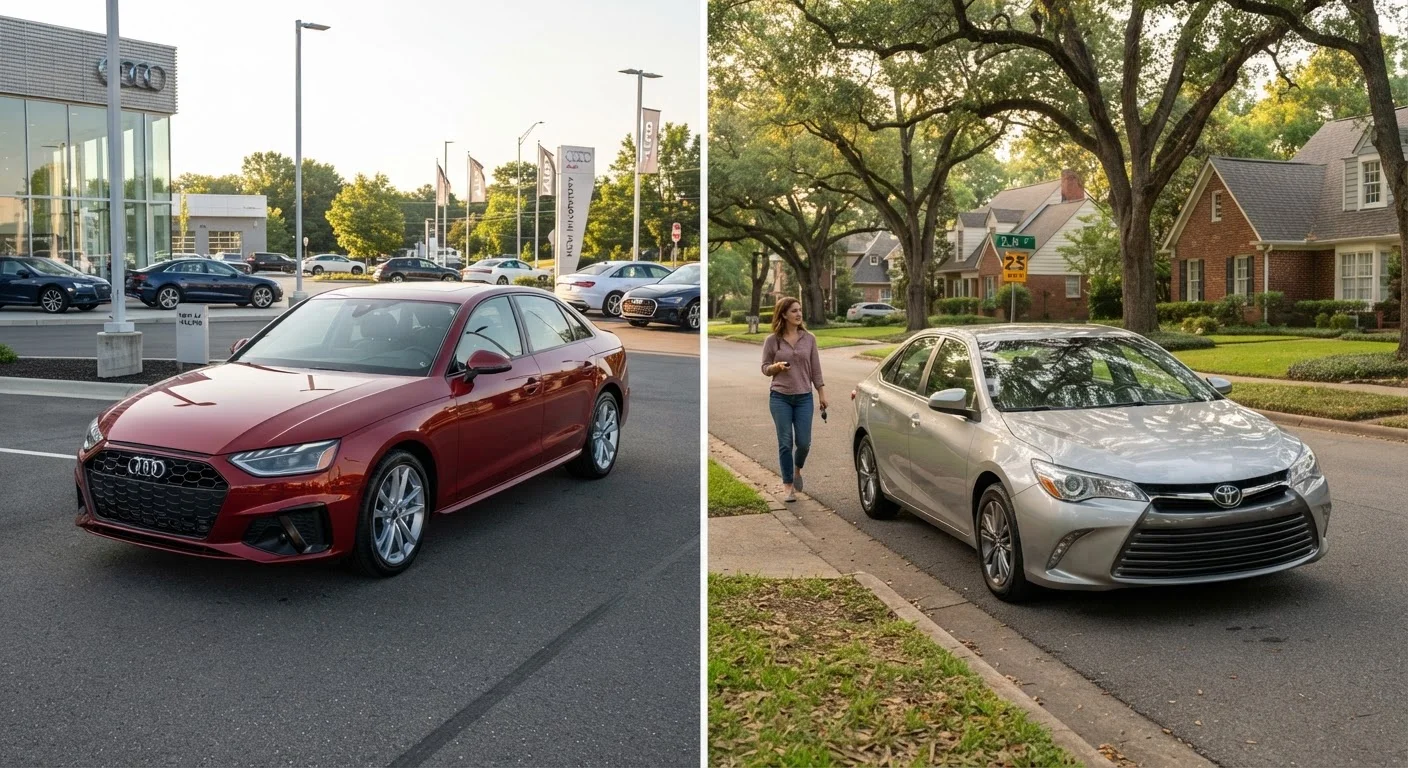
Photo: BridgeWish.com | Reliable Source Of Information editorial
Key Takeaways
- New cars lose roughly 20% of their value within the first year of ownership.
- Used cars typically carry higher interest rates than new car loans from lenders.
- A used car that's two to three years old can offer strong value without peak depreciation loss.
- New cars include manufacturer warranties; used car coverage varies widely by vehicle and seller.
- Total cost of ownership - not sticker price - is the most reliable comparison tool.
The Depreciation Reality Check
Depreciation is the single largest cost most car buyers overlook. A new vehicle can shed roughly 15-20% of its value in the first year alone, and up to 50% or more over five years - though the rate varies significantly by make, model, and market conditions. That first-year drop happens largely the moment the car leaves the lot.
For used car buyers, that initial depreciation has already occurred. A three-year-old vehicle may have lost a substantial portion of its peak value, meaning the buyer absorbs far less of the steepest part of the depreciation curve. Car depreciation explained in full breaks down exactly when these losses hit hardest and why the timing matters for your purchase decision.
| Criterion | New Car | Used Car |
|---|---|---|
| Upfront price | Higher purchase price | Lower purchase price |
| First-year depreciation | Buyer absorbs 15-20% drop | Steepest drop already occurred |
| Financing rates (typical) | Lower APR, sometimes subsidized | Higher APR from lenders |
| Warranty coverage | Full manufacturer warranty | Varies; may be none |
| Safety technology | Latest driver-assistance systems | Depends on model year |
| Vehicle history transparency | None needed - zero miles | Requires inspection and history check |
| Insurance costs | Typically higher premiums | Generally lower premiums |
| Long-term value (held 8+ years) | Cost amortizes over more time | Lower base cost, more wear risk |
Financing: Where the Numbers Get Counterintuitive
New cars often come with manufacturer-subsidized financing - sometimes at very low APRs - through captive lenders tied to automakers. Used car loans, by contrast, typically carry higher interest rates because lenders view older vehicles as higher-risk collateral. This creates a counterintuitive dynamic: the cheaper car may cost more to finance on a percentage basis.
To see how this plays out in practice, consider two scenarios: a $30,000 new car financed at 5% APR over 60 months versus a $20,000 used car financed at 8% APR over the same term. The total interest paid on the used car loan can narrow the savings gap considerably. Financing vs. paying cash is worth reading before you commit to either path.
~20%
Average new car value lost in year one
Industry estimates consistently place first-year depreciation between 15% and 20% for most vehicle segments.
2-3 yrs
Optimal used car age for value
Vehicles in this age range have absorbed peak depreciation while often retaining partial factory warranty coverage.
1-3%+
Typical APR premium on used loans
Used car loan rates frequently run higher than comparable new car financing, reducing the apparent savings of buying used.
Warranties, Reliability, and Hidden Costs
New cars come with manufacturer bumper-to-bumper warranties - typically three years or 36,000 miles - plus powertrain coverage that often extends further. That warranty functions as a financial buffer against early mechanical failures. Used cars may have residual factory warranty coverage, an extended service contract, or none at all.
Certified pre-owned (CPO) vehicles offer a middle path: used pricing with additional warranty protections backed by the manufacturer. However, CPO terms vary widely across brands, so it pays to read the fine print carefully. What CPO actually means unpacks those differences so you know exactly what you're getting.
Beyond warranties, don't overlook insurance costs, registration fees (often based on vehicle value or age), and fuel economy differences between model years. The true cost of owning a car encompasses all of these variables and should inform any side-by-side financial comparison.
Don't Forget Registration and Insurance Differences
Making the Right Call for Your Situation
Neither new nor used is universally the smarter financial move - the right answer depends on how long you plan to keep the vehicle, your financing options, your tolerance for mechanical risk, and your priorities around features and coverage. A buyer who keeps a new car for eight to ten years extracts far more value from that initial warranty and modern technology than one who trades in every three years.
Used buyers who target vehicles that are two to four years old with documented service histories can land in a strong position: past the peak depreciation drop, often still under partial warranty, and with modern enough safety features. For a broader look at how vehicle value erodes over time, which vehicles hold their value and why offers useful context on which segments tend to depreciate faster.
If you're still weighing whether buying outright is even the right structure, buying vs. leasing adds another dimension worth exploring before you sign anything.
The content on this site is for informational purposes only and is not a substitute for professional advice. Always consult a qualified professional for guidance specific to your situation.