
Certified Pre-Owned vs. Regular Used Cars: What the Label Actually Means

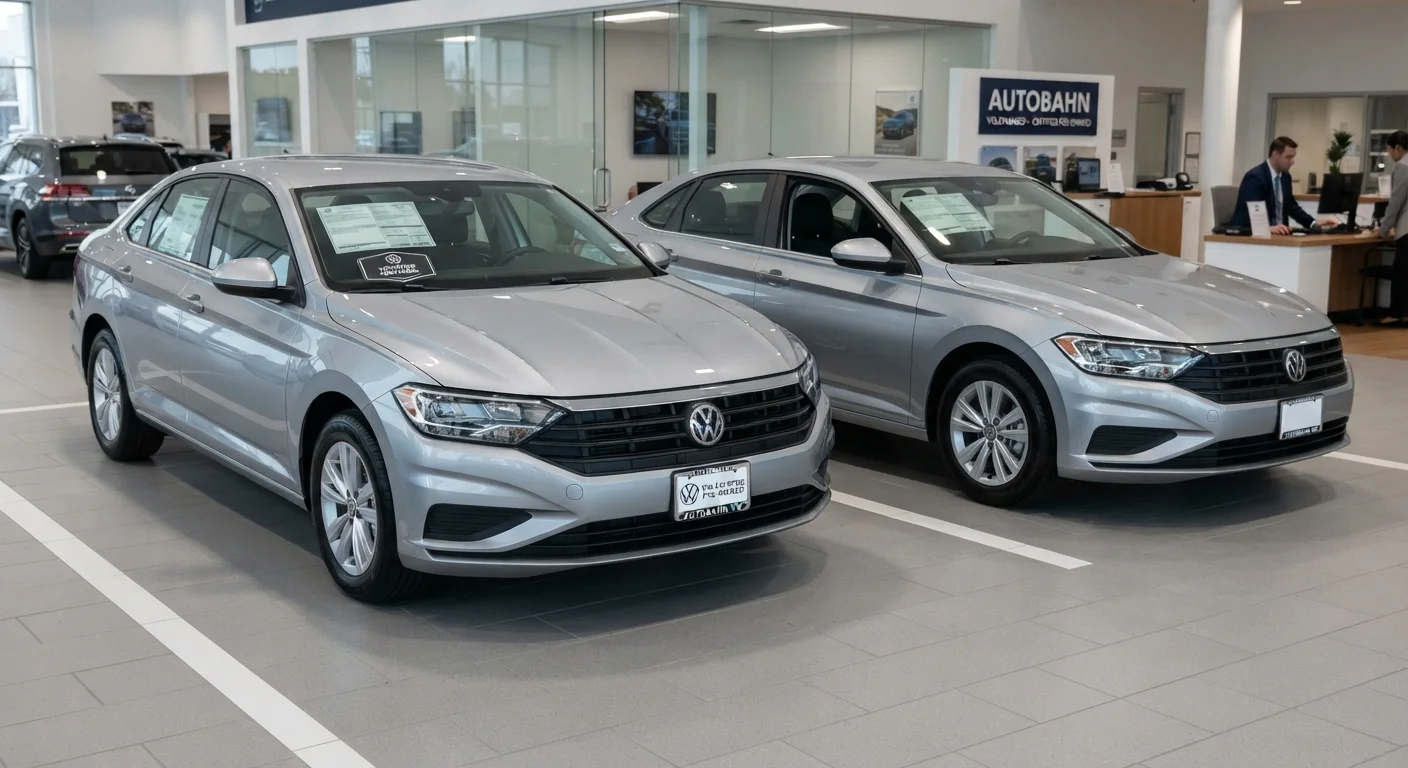
Photo: BridgeWish.com | Reliable Source Of Information editorial
Key Takeaways
- CPO programs are not standardized - each manufacturer sets its own inspection criteria, mileage limits, and warranty terms.
- A CPO label does not guarantee the vehicle is problem-free; it means it passed a specific checklist at a specific point in time.
- Regular used cars can be solid purchases when buyers arrange independent pre-purchase inspections.
- CPO vehicles typically carry a price premium that may or may not be justified depending on the program's actual coverage.
- Always read the CPO warranty document directly - do not rely solely on the salesperson's description of what's covered.
What 'Certified Pre-Owned' Actually Means
The term Certified Pre-Owned (CPO) sounds official - and it is, to a point. A CPO designation means a manufacturer or dealership has put a used vehicle through a formal inspection process and is offering it alongside some form of extended warranty or guarantee. What it does not mean is that every CPO program is created equal.
Manufacturer-backed CPO programs (run by automakers through their franchised dealers) tend to be the most rigorous. They typically impose age and mileage limits - commonly no more than five or six years old and under 80,000 miles - and require a multi-point inspection covering mechanical, safety, and cosmetic conditions. Vehicles that don't pass are either reconditioned until they do or sold as standard used inventory instead.
Dealer-certified programs, by contrast, are created and administered by individual dealerships with no manufacturer oversight. The inspection criteria, warranty terms, and coverage can vary dramatically - sometimes a dealer-certified car carries little more than a sticker and a handshake. This distinction matters enormously when evaluating whether the CPO premium is worth paying.
Check Who Actually Backs the Warranty
The FTC's Used Car Rule requires dealers to display a Buyers Guide on used vehicles disclosing warranty terms. For any CPO vehicle, ask to see the actual warranty contract - not just the Buyers Guide - and confirm who backs the warranty (the manufacturer, a third party, or the dealer itself).
How Regular Used Cars Compare
A regular used car comes with no inspection guarantee and is typically sold as-is - meaning the buyer accepts the vehicle in its current condition, with no obligation on the seller to repair defects discovered after the sale. In some states, as-is sales have limited exceptions, but the general rule holds: once you drive off the lot, undisclosed problems become your problem.
That doesn't make regular used cars a bad choice. Millions of reliable vehicles are sold this way every year. The critical difference is that the buyer must take responsibility for verification. Ordering a vehicle history report and - more importantly - arranging a pre-purchase inspection from an independent mechanic can surface most of the same issues a CPO checklist would identify, often for a modest flat fee.
Regular used cars also exist across a broader price range and are available through private sellers, independent dealerships, and franchise dealers - whereas CPO vehicles are exclusively sold through franchised, manufacturer-authorized dealers.
| Criterion | Certified Pre-Owned | Regular Used Car |
|---|---|---|
| Inspection requirement | Formal multi-point checklist required | No standardized inspection required |
| Warranty coverage | Extended warranty typically included | Usually sold as-is; no warranty |
| Price point | Premium over comparable used vehicles | Generally lower purchase price |
| Where purchased | Franchised, manufacturer-authorized dealers only | Dealers, independents, and private sellers |
| Vehicle history | History report typically provided | Buyer must request and pay for report |
| Program consistency | Varies by manufacturer and program type | No program; conditions vary by vehicle |
| Buyer due diligence needed | Read warranty terms carefully | Independent inspection strongly advised |
The Price Premium: When It's Worth It
CPO vehicles typically command a higher asking price than comparable non-certified used cars. The size of that premium varies by brand, vehicle condition, and local market conditions, but it's a real cost to factor in when comparing options.
~$1,000-$3,500
Typical CPO price premium over comparable used vehicles
Industry analysts and consumer automotive resources consistently cite this range, though the actual figure depends heavily on make, model, age, and regional demand.
100+ points
Inspection items in typical manufacturer CPO programs
Most major automaker CPO programs publish their inspection checklists; point counts vary by brand but frequently exceed 100 individual items.
Whether the premium makes financial sense depends on several factors: how much warranty coverage remains, what that coverage actually includes (powertrain only? bumper-to-bumper?), and how long you plan to own the vehicle. A CPO warranty that mirrors your intended ownership period can offset a meaningful portion of potential repair exposure. A CPO warranty that expires in six months provides much less value.
It's also worth comparing the CPO price against what a comparable non-certified vehicle would cost plus an independent inspection and any immediate repairs the inspection reveals. Sometimes the math favors CPO; sometimes it doesn't. For a broader look at how purchase type affects your finances, see our comparison of new vs. used car financial trade-offs.
Before signing anything on a used vehicle - CPO or otherwise - review the key items to verify before signing a used car purchase agreement to avoid surprises at closing.
The content on this site is for informational purposes only and is not a substitute for professional advice. Always consult a qualified professional for guidance specific to your situation.