
What a Pre-Purchase Inspection Actually Covers - and When to Insist on One

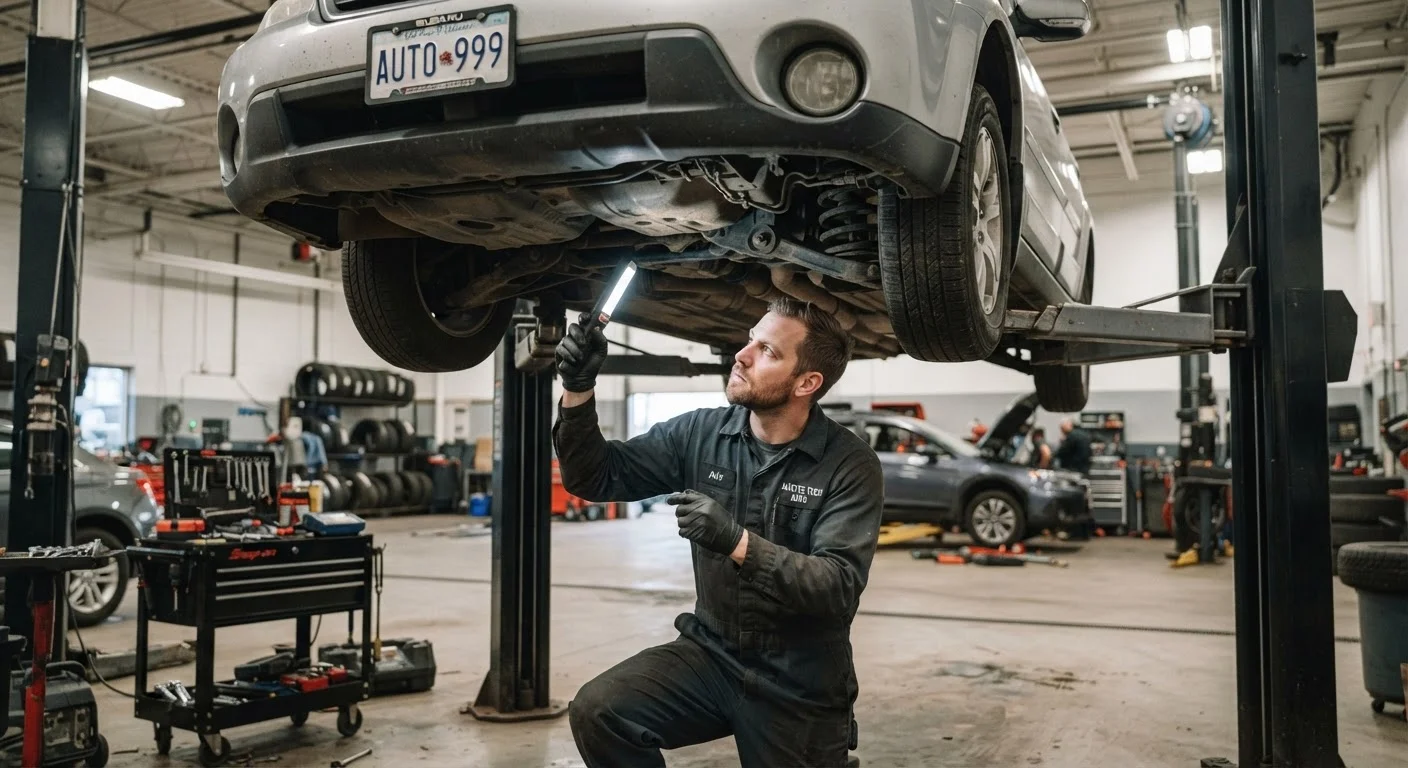
Photo: BridgeWish.com | Reliable Source Of Information editorial
What a Pre-Purchase Inspection Is
A pre-purchase inspection (PPI) is a professional mechanical evaluation performed by an independent, licensed mechanic before you commit to buying a used vehicle. Unlike a dealer's in-house check, a PPI is conducted by someone who works for you - not the seller - making the findings far more reliable as a decision-making tool.
A PPI typically takes one to two hours and costs between $100 and $200 at most independent shops, though prices vary by region and vehicle type. That modest expense can surface problems worth thousands of dollars in repairs - issues that a test drive, a visual walkthrough, or even a vehicle history report won't reveal.
For context on what else to review before committing to a purchase, see our pre-signing checklist for used car buyers.
What the Inspection Actually Covers
A thorough PPI examines the vehicle from multiple angles. Here's what a qualified mechanic will typically assess:
- Engine and drivetrain: Oil condition and leaks, coolant level and color, belts, hoses, transmission behavior, and any unusual sounds under load.
- Brakes and suspension: Brake pad and rotor wear, caliper condition, shocks, struts, and steering components for play or damage.
- Tires: Tread depth, even wear patterns (which can indicate alignment or suspension issues), and sidewall condition.
- Frame and undercarriage: Rust, prior accident damage, weld repairs, and any structural irregularities - especially important on older vehicles.
- Electrical systems: Battery health, lights, power windows, AC/heat function, and dashboard warning indicators.
- Fluid levels and condition: Brake fluid, power steering fluid, transmission fluid, and differential fluid as applicable.
- OBD-II diagnostic scan: A scan of the onboard diagnostic system for stored or pending fault codes, including any that a seller may have temporarily cleared.
Pre-Purchase Inspection (PPI)
A mechanical evaluation of a used vehicle conducted by an independent mechanic before the buyer commits to a purchase. It is designed to identify hidden mechanical, structural, or electrical issues.
OBD-II Diagnostic Scan
A computerized read of a vehicle's onboard diagnostic system, which logs fault codes from sensors throughout the engine and drivetrain. Mechanics use it to spot existing or recently cleared trouble codes.
Salvage Title
A designation assigned by a state agency when a vehicle has been declared a total loss by an insurance company, typically due to accident damage, flooding, or theft recovery. Salvage-titled vehicles carry elevated risk.
Rebuilt Title
A title status indicating a previously salvage-titled vehicle has been repaired and passed a state inspection. The quality of the underlying repairs can vary significantly.
What a PPI generally does not cover: interior cosmetics, paint quality assessment, or any components that require disassembly to access. It's a visual and operational inspection, not a full teardown.
When You Should Insist on One
A PPI is worthwhile on virtually any used vehicle, but it becomes especially important in the following situations:
Seller Refusing an Inspection?
- Private-party sales: No lemon law protections, no dealer accountability - the inspection is your primary safeguard.
- High-mileage vehicles: Wear-related failures are more likely past 80,000-100,000 miles, and a PPI can identify which systems are approaching the end of their service life.
- Vehicles with a salvage or rebuilt title: History reports may flag this, but a mechanic can assess whether the underlying repair work was done properly.
- Luxury or specialty vehicles: Repair costs on European or high-performance cars can be significantly higher; a PPI helps quantify that risk before you commit.
- Any vehicle you plan to finance: Taking on debt for a car with hidden mechanical issues is a compounding financial risk.
If a seller refuses to allow an independent inspection, treat that as a serious warning sign. Legitimate sellers generally welcome it - it builds trust and speeds the transaction.
It's also worth understanding how certified pre-owned programs compare to standard used cars - CPO vehicles undergo manufacturer-defined inspections, but the scope and reliability of those checks vary widely.
How to Arrange One
Choose your own mechanic - not one suggested by the seller. Search for an independent shop with verifiable reviews near the vehicle's location, or use a mobile inspection service if the car can't easily be driven to a shop. Confirm in advance that the shop performs pre-purchase inspections and ask whether they provide a written report.
When the car is on the lift, ask the mechanic to walk you through findings in plain language. A good inspector will tell you which issues are safety-critical, which are normal wear for the mileage, and which are cosmetic. That context matters as much as the list of findings itself.
For ongoing maintenance guidance after you've made a purchase, the car maintenance hub covers practical steps to keep any vehicle running reliably.
This article provides general educational information about vehicle inspections. It is not a substitute for professional mechanical advice. Always consult a qualified, licensed mechanic for an evaluation of any specific vehicle.
The content on this site is for informational purposes only and is not a substitute for professional advice. Always consult a qualified professional for guidance specific to your situation.