
Car Insurance 101: Coverage Types Every Owner Should Understand

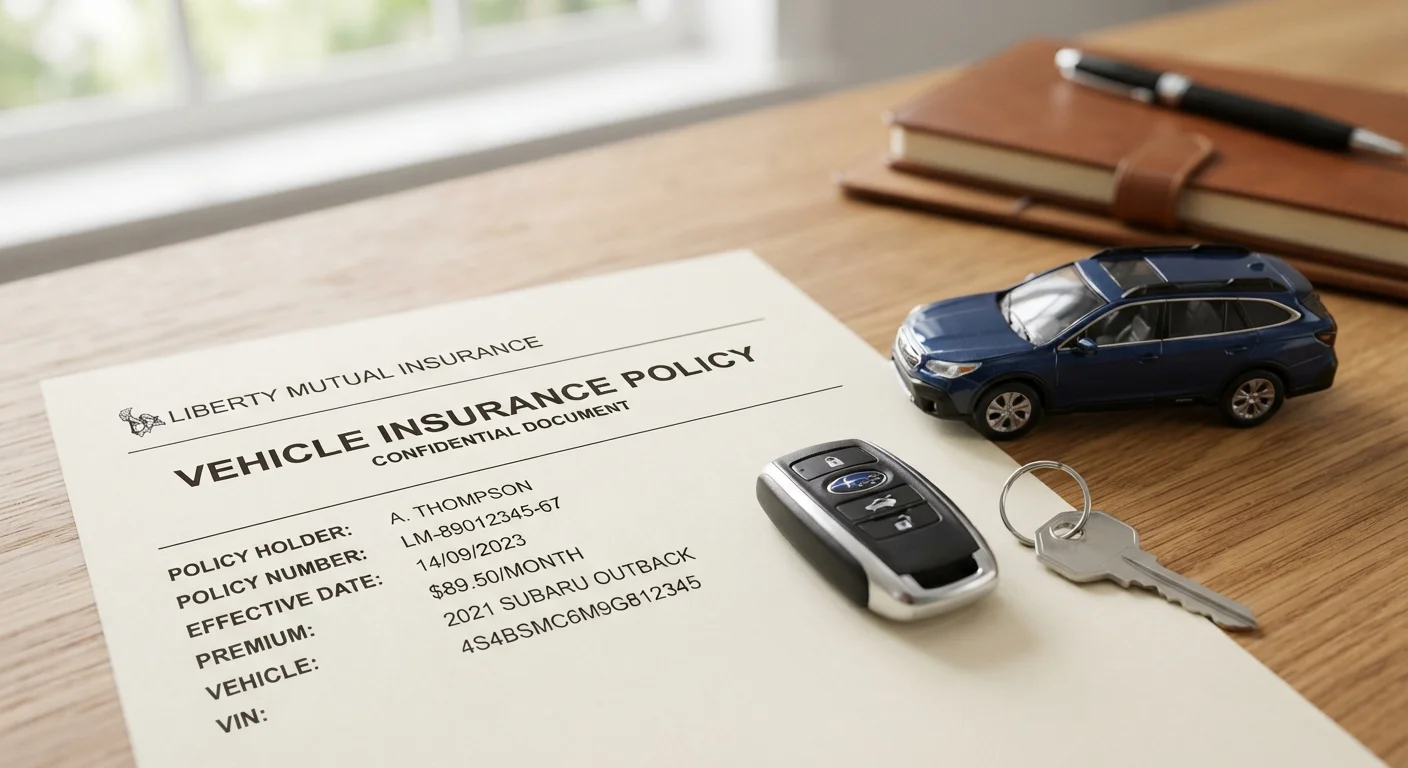
Photo: BridgeWish.com | Reliable Source Of Information editorial
Key Takeaways
- Liability coverage is legally required in most US states and pays for damage or injuries you cause to others.
- Collision covers your own vehicle after an accident; comprehensive covers non-collision events like theft or weather damage.
- Gap insurance can protect you financially if you owe more on your loan than your car is currently worth.
- Uninsured motorist coverage fills a real gap since roughly one in eight US drivers carries no insurance.
- Your ideal coverage mix depends on your vehicle's value, your loan status, and your financial situation.
Why Auto Insurance Coverage Matters
Auto insurance is one of the few financial products that most Americans are legally required to carry - yet many drivers pay premiums for years without fully understanding what they're buying. When an accident happens, that gap in knowledge can be costly.
At its core, car insurance is a contract: you pay premiums, and in exchange the insurer agrees to cover certain financial losses up to defined limits. The catch is that policies are made up of several distinct coverage types, each protecting against different risks. Bundling them correctly is what makes a policy genuinely useful rather than just a legal checkbox.
Just as understanding what renters insurance actually covers helps renters avoid surprises, knowing what each auto coverage type does - and doesn't - do puts you in control of your own financial protection on the road.
State Requirements Vary Significantly
The Core Coverage Types Explained
Most auto policies are built from a handful of foundational coverage types. Understanding each one is essential before you can make informed decisions about your policy.
Actual Cash Value (ACV)
The market value of your vehicle at the time of a loss, accounting for depreciation. This is what most insurers pay out for a total loss - not the original purchase price.
Deductible
The fixed amount you pay out of pocket before your insurer covers the rest of a claim. Higher deductibles generally mean lower premiums.
Premium
The amount you pay - monthly, semi-annually, or annually - to keep your insurance policy active.
Declarations Page
The summary page of your policy that lists your coverage types, limits, deductibles, and premium. It's the fastest way to see exactly what you're covered for.
No-Fault State
A state where each driver's own insurer pays for their medical costs after an accident, regardless of who caused it. Personal Injury Protection (PIP) is typically required in these states.
Coverage Limit
The maximum dollar amount your insurer will pay for a covered claim. Losses that exceed your limit become your personal financial responsibility.
Liability Coverage
Liability is the foundation of nearly every auto policy and is required by law in most states. It covers bodily injury and property damage you cause to others in an at-fault accident. It does not pay for your own injuries or vehicle damage. Policies express limits as three numbers (e.g., 100/300/100): per-person injury, per-accident injury, and property damage - all in thousands of dollars.
Collision Coverage
Collision pays to repair or replace your vehicle after it's damaged in an accident with another car or object, regardless of fault. Lenders and leasing companies almost always require it. Your payout is the vehicle's actual cash value minus your deductible.
Comprehensive Coverage
Comprehensive covers damage to your vehicle from events other than a collision - think theft, vandalism, fire, flooding, hail, or a deer strike. Like collision, it pays actual cash value minus your deductible and is typically required by lenders.
Personal Injury Protection and Medical Payments
Personal Injury Protection (PIP) covers medical expenses for you and your passengers after an accident, regardless of fault. It may also cover lost wages and rehabilitation costs. In no-fault states, PIP is legally required. Medical Payments (MedPay) is a narrower version available in other states, covering medical bills but not lost income.
Uninsured and Underinsured Motorist Coverage
Roughly one in eight US drivers carries no insurance, according to industry data. Uninsured motorist coverage (UM) pays your costs if you're hit by one of them. Underinsured motorist coverage (UIM) kicks in when the at-fault driver's liability limits aren't enough to cover your damages. Many insurers sell these together.
Optional but Often Valuable Add-Ons
Beyond the core types, insurers offer several optional coverages worth considering depending on your circumstances.
Gap Insurance
When a car is totaled or stolen, standard insurance pays its actual cash value - not necessarily what you still owe on the loan. In the early years of financing, those two numbers can differ substantially. Gap insurance covers the difference, protecting you from owing money on a car you no longer have. See our full guide to gap insurance for a detailed breakdown of when it makes sense to carry it.
Rental Reimbursement
This optional add-on pays for a rental car while your vehicle is being repaired after a covered claim. Limits are typically expressed as a daily and total cap (e.g., $40/day up to $1,200).
Roadside Assistance
Covers services like towing, flat tire changes, battery jumps, and lockout help. If you already have this through another membership, adding it to your auto policy may be redundant.
Review Your Policy Before You Need It
How to Think About Your Own Coverage Needs
Choosing the right coverage mix isn't about buying the most or the least - it's about matching coverage to your specific financial exposure. A few factors worth weighing:
- Vehicle value: The lower your car's market value, the less financial sense it makes to pay for collision and comprehensive. A common guideline is to reconsider these coverages once annual premiums for both exceed roughly 10% of the vehicle's value - but assess your own comfort with risk before acting on any general rule.
- Loan or lease status: If you're financing or leasing, your lender sets minimum coverage requirements. You typically have no choice but to carry collision, comprehensive, and possibly gap coverage until the vehicle is paid off.
- Your financial cushion: A higher deductible reduces your premium but means more out-of-pocket cost after a claim. Only raise your deductible to an amount you could genuinely cover in an emergency.
- State minimums vs. adequate limits: State minimum liability limits are often far too low to cover the real cost of a serious accident. Carrying higher limits - or an umbrella policy - is worth considering if you have assets to protect.
Your auto insurance works best as part of a broader understanding of vehicle ownership. Resources like our car maintenance hub and safe driving tips can help you reduce the risks that make insurance claims more likely in the first place.
This article provides general educational information about auto insurance coverage types and is not a substitute for personalized advice from a licensed insurance professional. Coverage options, requirements, and costs vary by state and individual circumstances. Consult a licensed agent or broker to review your specific needs.
Frequently Asked Questions
The content on this site is for informational purposes only and is not a substitute for professional advice. Always consult a qualified professional for guidance specific to your situation.