
The 50/30/20 Rule Explained

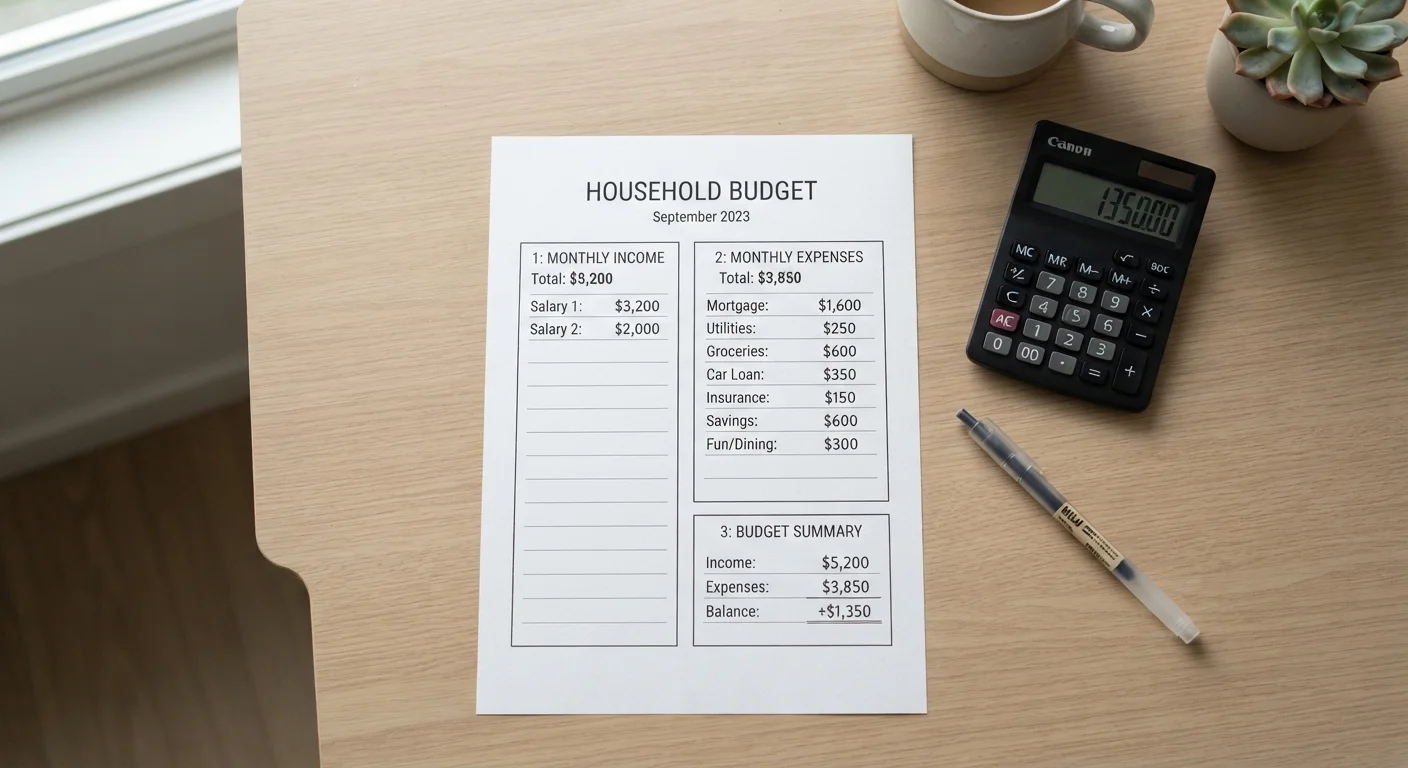
Photo: BridgeWish.com | Reliable Source Of Information editorial
Key Takeaways
- The 50/30/20 rule splits after-tax income into needs, wants, and savings or debt payoff.
- "Needs" covers essentials like rent, utilities, groceries, and minimum debt payments.
- "Wants" includes discretionary spending - dining out, subscriptions, and entertainment.
- The 20% savings bucket can target an emergency fund, retirement contributions, or extra debt payments.
- The framework is a starting point, not a rigid prescription - adjusting the percentages to fit your situation is expected.
- High-cost-of-living areas and lower incomes may make the standard splits difficult to maintain.
How the Three Categories Break Down
The 50/30/20 rule works by applying fixed percentages to your monthly take-home pay. Here's what each bucket typically includes:
- 50% - Needs: Rent or mortgage payments, utilities, groceries, health insurance, car payments for necessary transportation, and minimum debt payments. These are non-negotiable obligations.
- 30% - Wants: Streaming subscriptions, dining out, gym memberships, travel, clothing beyond the basics, and entertainment. These are choices that improve your quality of life but aren't essential.
- 20% - Savings and debt repayment: Emergency fund contributions, retirement account deposits (such as a Roth IRA or 401(k)), and extra payments toward high-interest debt like credit cards or personal loans.
One of the trickiest parts is categorizing expenses honestly. A smartphone is a need for most working adults today; upgrading to the newest model every year is a want. Drawing that line accurately is what makes or breaks the framework in practice.
Pre-Tax Contributions Affect Your Baseline
For a broader look at how to apply this framework to real saving goals, explore our Saving & Goals hub for practical guidance on building toward financial milestones.
A Practical Example with Real Numbers
Suppose your household takes home $5,000 per month after taxes. Applying the 50/30/20 split gives you:
| Category | Percentage | Monthly Amount |
|---|---|---|
| Needs | 50% | $2,500 |
| Wants | 30% | $1,500 |
| Savings / Debt payoff | 20% | $1,000 |
If your rent alone is $1,800 and you're adding in groceries, utilities, and insurance, you may find the 50% ceiling tight before you've accounted for anything else. That's a real constraint, not a personal failing - and it's why the framework is better understood as a benchmark than a mandate.
57%
Americans living paycheck to paycheck
According to a 2023 LendingClub report, a majority of US consumers report spending all or nearly all of their monthly income, leaving little buffer for savings.
$1,037
Median monthly consumer debt payment
Federal Reserve data indicates that debt service costs represent a significant share of household budgets, which can compress the savings portion of any budgeting framework.
30%+
Income spent on housing by many renters
The US Department of Housing and Urban Development considers households spending more than 30% of income on housing to be cost-burdened, a threshold many renters exceed in major metro areas.
Where the Rule Works Well - and Where It Doesn't
The 50/30/20 rule suits households with moderate and stable incomes, relatively manageable fixed costs, and limited debt. It's especially useful for people who want a simple system without tracking every purchase.
It tends to break down in a few common situations:
- High cost-of-living areas: In cities where median rent consumes 40-50% of take-home pay on its own, the 50% needs ceiling is nearly impossible to maintain without reducing the wants or savings allocations.
- Lower-income households: When income barely covers fixed costs, the 30% wants category may shrink or disappear entirely, and any savings rate becomes aspirational rather than realistic.
- Heavy debt loads: Households servicing significant student loans or credit card balances may need to redirect some of the 30% wants portion toward the 20% debt payoff bucket temporarily.
Adapting the percentages to reflect your actual situation is not a workaround - it's the intended approach for most households. Our related article explores whether the rule works for real households in more depth.
Start by Tracking Before You Cut
Using the 50/30/20 Rule as a Starting Point
If you're new to budgeting, the 50/30/20 rule offers a low-friction entry point. You don't need specialized software or a spreadsheet with 40 rows - just three numbers derived from your monthly take-home pay.
A practical first step: review your last two or three bank statements and categorize each transaction as a need, want, or savings contribution. Most people are surprised by how much lands in the wants column. That awareness alone - before any changes are made - tends to shift spending behavior.
Once you have a baseline, compare your actual percentages to the 50/30/20 targets. If your needs are consuming 65% of income, that's useful data: it signals you may need to look at housing costs, transportation, or recurring bills before worrying about discretionary spending.
For households working toward a specific target - a down payment, a vacation fund, or paying off a credit card - the savings bucket is where that goal lives. Our guide on saving for a big purchase without derailing other financial goals walks through how to balance competing savings priorities.
This article is for general informational and educational purposes only and does not constitute personalized financial advice. For guidance specific to your situation, consider consulting a licensed financial professional.
Frequently Asked Questions
The content on this site is for informational purposes only and is not a substitute for professional advice. Always consult a qualified professional for guidance specific to your situation.