
Credit Score Ranges Decoded: What Each Tier Means for Your Finances

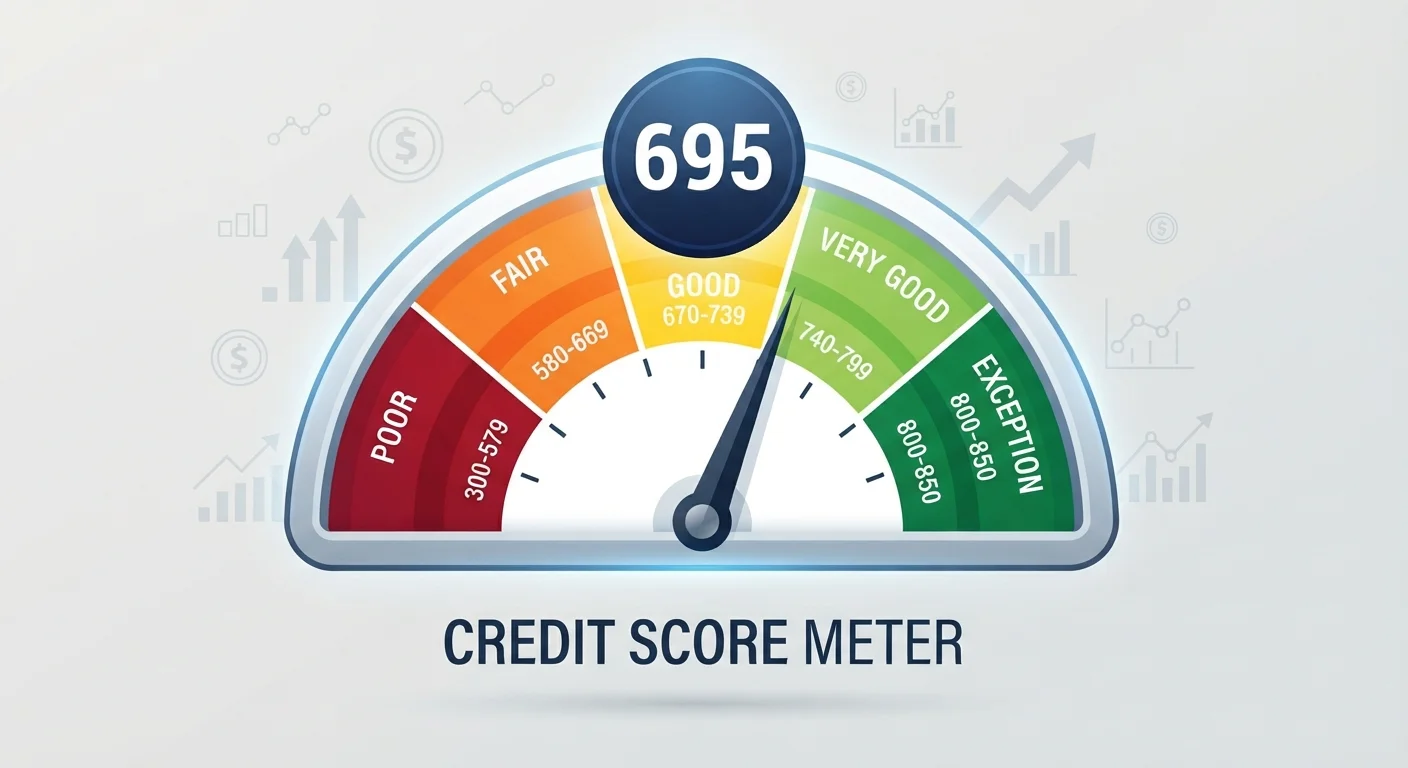
Photo: BridgeWish.com | Reliable Source Of Information editorial
The Credit Score Scale at a Glance
Credit scores in the U.S. most commonly run from 300 to 850, with higher numbers signaling lower risk to lenders. Two scoring models dominate: FICO and VantageScore. While they use slightly different formulas, both use the same 300-850 range and share broadly similar tier boundaries.
Understanding where your score falls - and what each band means in practice - helps you anticipate loan approvals, interest rates, security deposits, and even rental applications before you apply. This article focuses on the FICO score framework, the most widely used model among U.S. lenders.
| Score range | 300 to 850 (FICO and VantageScore models) |
| Exceptional tier | 800-850 (FICO score framework) |
| National median FICO score (approximate) | Around 714 (FICO data, recent years) |
| Minimum score for most prime loans | Typically 670+ (General lender practice; varies by lender) |
| Most widely used scoring model | FICO Score |
| Poor score threshold | Below 580 (FICO score framework) |
For a deeper look at how scores are calculated, see the five factors that shape your credit score.
Breaking Down Each Score Tier
Each tier carries real-world consequences that go beyond a number on a screen.
FICO Score
A credit score created by Fair Isaac Corporation, used by most U.S. lenders to assess a borrower's credit risk. It ranges from 300 to 850.
VantageScore
A competing credit scoring model developed by the three major credit bureaus (Equifax, Experian, and TransUnion). It uses the same 300-850 range as FICO but applies a slightly different formula.
Prime borrower
A borrower whose credit score and history qualify them for mainstream loan products at competitive interest rates, generally those with scores around 670 or higher.
Secured credit card
A credit card backed by a cash deposit that serves as collateral. Often used by people with poor or limited credit to build or rebuild their credit history.
Credit utilization
The percentage of your available revolving credit that you are currently using. High utilization - typically above 30% - can lower your credit score.
Exceptional: 800-850
Lenders view scores in this range as representing their lowest-risk borrowers. Applicants here typically qualify for the most competitive interest rates on mortgages, auto loans, and credit cards. They rarely face additional deposit requirements for utilities or rentals. Fewer than 25% of Americans hold scores in this tier, according to FICO data.
Very Good: 740-799
Borrowers in this range are still considered highly creditworthy. They generally receive favorable loan terms - often close to those offered at the exceptional level - and face little friction during the application process for most financial products.
Good: 670-739
This is roughly the national median range. Approval odds for mainstream credit products are solid here, though interest rates will likely be somewhat higher than those offered to borrowers in the two tiers above. Some lenders use 670 as a floor for prime loan qualification.
Fair: 580-669
Borrowers in this range may still qualify for credit, but terms become noticeably less favorable. Interest rates on personal loans, auto financing, and credit cards are likely to be higher, and some lenders may decline applications outright. This range often reflects past missed payments or high credit card utilization.
Poor: 300-579
Scores below 580 signal significant credit risk to lenders. Approval for unsecured credit is difficult. Applicants may be required to provide larger security deposits on apartments or utilities, and may only qualify for secured credit cards or subprime loan products with considerably higher rates. Rebuilding from this range is possible but takes deliberate, consistent effort over time.
To understand what behaviors drive a score up or down within these bands, see what your credit score is actually measuring.
Real-World Impact Across Tiers
The difference between tiers isn't just symbolic - it translates directly into dollars and opportunity.
~714
Average U.S. FICO Score
According to FICO's public reporting, the average American credit score has hovered around this level in recent years, placing most consumers in the 'good' range.
< 25%
Americans with exceptional scores (800+)
FICO data indicates that fewer than one in four U.S. consumers holds a score in the exceptional tier.
1-2%+
Interest rate spread across tiers
The gap in mortgage or auto loan rates between the lowest and highest credit tiers can exceed several percentage points, translating into significant lifetime cost differences.
Mortgages: A borrower with a score in the exceptional range may qualify for a significantly lower interest rate than a borrower in the fair range. Over a 30-year mortgage, even a one or two percentage point difference in rate can mean tens of thousands of dollars in additional interest paid.
Auto loans: Lenders tier auto loan rates closely to credit scores. Borrowers in the poor range may face rates several times higher than those in the exceptional range. See how credit score affects your auto loan and total cost.
Rental housing: Many landlords pull credit reports as part of the screening process. Lower scores may require larger security deposits or result in application denials.
Utilities and cell service: Providers in some states are permitted to check credit and may require a deposit for customers below a certain score threshold.
This article provides general financial information for educational purposes only and is not personalized financial or credit advice. Consult a qualified financial professional for guidance specific to your situation.
The content on this site is for informational purposes only and is not a substitute for professional advice. Always consult a qualified professional for guidance specific to your situation.