
Salt, Fat, Acid, Heat: The Four Forces Behind Every Good Dish

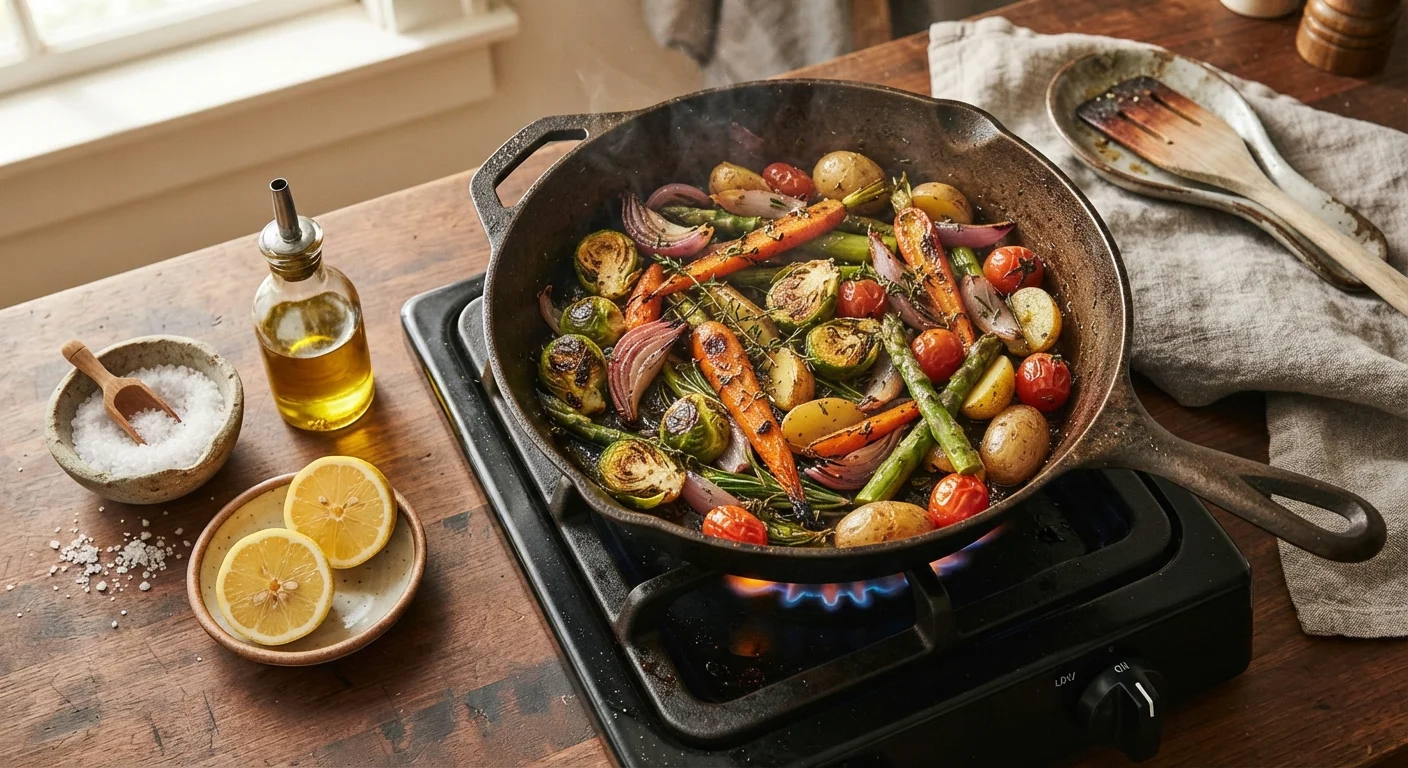
Photo: BridgeWish.com | Reliable Source Of Information editorial
Key Takeaways
- Salt doesn't just make food salty — it suppresses bitterness and amplifies other flavors.
- Fat carries flavor and controls texture, from silky sauces to crispy crusts.
- Acid brightens and balances richness; a squeeze of lemon can rescue a flat dish.
- Heat determines texture, color, and aroma through controlled chemical reactions.
- Adjusting one element often compensates for an imbalance in another.
- These principles apply across nearly every cuisine and cooking method.
Salt: The Foundation of Flavor
Salt is almost certainly the single most impactful ingredient in your kitchen — and the most misunderstood. Its job isn't to make food taste salty; it's to make food taste more like itself. Salt suppresses bitter compounds and enhances sweetness, umami, and aroma simultaneously.
The when and how of salting matters as much as the amount. Salting proteins early (even hours ahead) allows time for the salt to penetrate and season from within rather than just coating the surface. Salting pasta water generously seasons the pasta as it cooks — something no amount of sauce can replicate afterward. And finishing dishes with a small pinch of flaky salt just before serving adds a bright, punctuating contrast.
If a dish tastes one-dimensional or muted, under-salting is the most frequent culprit. Taste as you go, and trust the process.
Salt Early, Taste Often
Fat: Flavor Carrier and Texture Builder
Fat does two essential jobs: it carries flavor compounds (many aromas are fat-soluble, meaning they only dissolve and spread in the presence of fat), and it controls texture. Butter creates richness and silkiness. Olive oil adds grassy, fruity notes. Rendered animal fat contributes depth. The right fat in the right amount transforms a dish from flat to full.
Fat also governs crisping and browning. A dry pan with no fat produces steaming, not searing. Enough fat in contact with a hot surface creates the Maillard reaction — the browning responsible for the complex, roasted flavors in a seared steak or golden-edged roasted potato.
The type and quantity of fat you use shapes the dish's overall character. Swapping fats or reducing them changes both flavor and mouthfeel, so adjustments often require compensating with other elements. For guidance on building meals with appropriate fat balance, see our balanced plate principles.
Acid: The Brightener That Cuts Through Richness
Acid is the most underused tool in the everyday cook's kit. A squeeze of lemon, a splash of vinegar, or a spoonful of yogurt can transform a dish that tastes heavy, dull, or muddy into something vibrant and lively. Acid works by providing contrast — it cuts through fat, lifts sweetness, and adds a layer of complexity that makes a dish taste more dynamic.
Acid also changes texture. Marinating proteins in citrus or vinegar begins to denature (break down the protein structure of) their surface. In dressings, acid emulsifies with fat to create cohesion. In baking, acids react with baking soda to produce carbon dioxide, helping batters rise.
The key is timing. Delicate acids like lemon juice are best added at the end of cooking to preserve their brightness. Hardier acids like vinegar can go in earlier without losing their punch. If a finished dish tastes rich but somehow incomplete, try acid before adding more salt.
~80%
Of flavor perception comes from aroma
Research in sensory science consistently shows that most of what we experience as 'taste' is actually smell — which is why fat's role as an aroma carrier is so critical to overall flavor.
280°F
Minimum temp for Maillard browning
The Maillard reaction, responsible for the complex flavors of searing and roasting, generally begins around 280–330°F (140–165°C) — well above the boiling point of water, which is why wet cooking methods don't produce browning.
3–4%
Ideal salt concentration in cooking water
Culinary professionals often describe properly salted pasta or blanching water as tasting 'like mild seawater' — roughly 3–4% salinity — to season food evenly throughout cooking rather than only on the surface.
Heat: Where Flavor Is Created and Controlled
Heat is the only element you apply rather than add, and it's the one with the most variables. Temperature, duration, and method all determine the outcome — whether food emerges caramelized and crisp, tender and moist, or unfortunately overcooked and dry.
Two key chemical reactions drive most of the flavor we associate with cooked food. The Maillard reaction occurs when proteins and sugars react at high temperatures (generally above 280°F / 140°C), producing hundreds of new flavor compounds responsible for the browned crust on bread, the sear on meat, and the roasted notes in coffee. Caramelization is a separate process in which sugars break down under heat, creating sweetness and complexity — think roasted carrots or a golden onion.
Controlling heat means understanding your equipment and reading your food. Visual and tactile cues — color, texture, resistance — tell an experienced cook when a dish is ready. To build those skills, our guide to doneness without a thermometer is a practical starting point.
For broader context on building nutritious, satisfying meals, visit our Healthy Eating Basics hub.
“The ability to cook well is not an innate talent reserved for a few — it is a set of learnable skills grounded in understanding why ingredients behave the way they do.”
— Harold McGee, Food science writer and author of 'On Food and Cooking'
Frequently Asked Questions
The content on this site is for informational purposes only and is not a substitute for professional advice. Always consult a qualified professional for guidance specific to your situation.