
Nutrition Label Literacy: Reading the Fine Print on Packaged Food

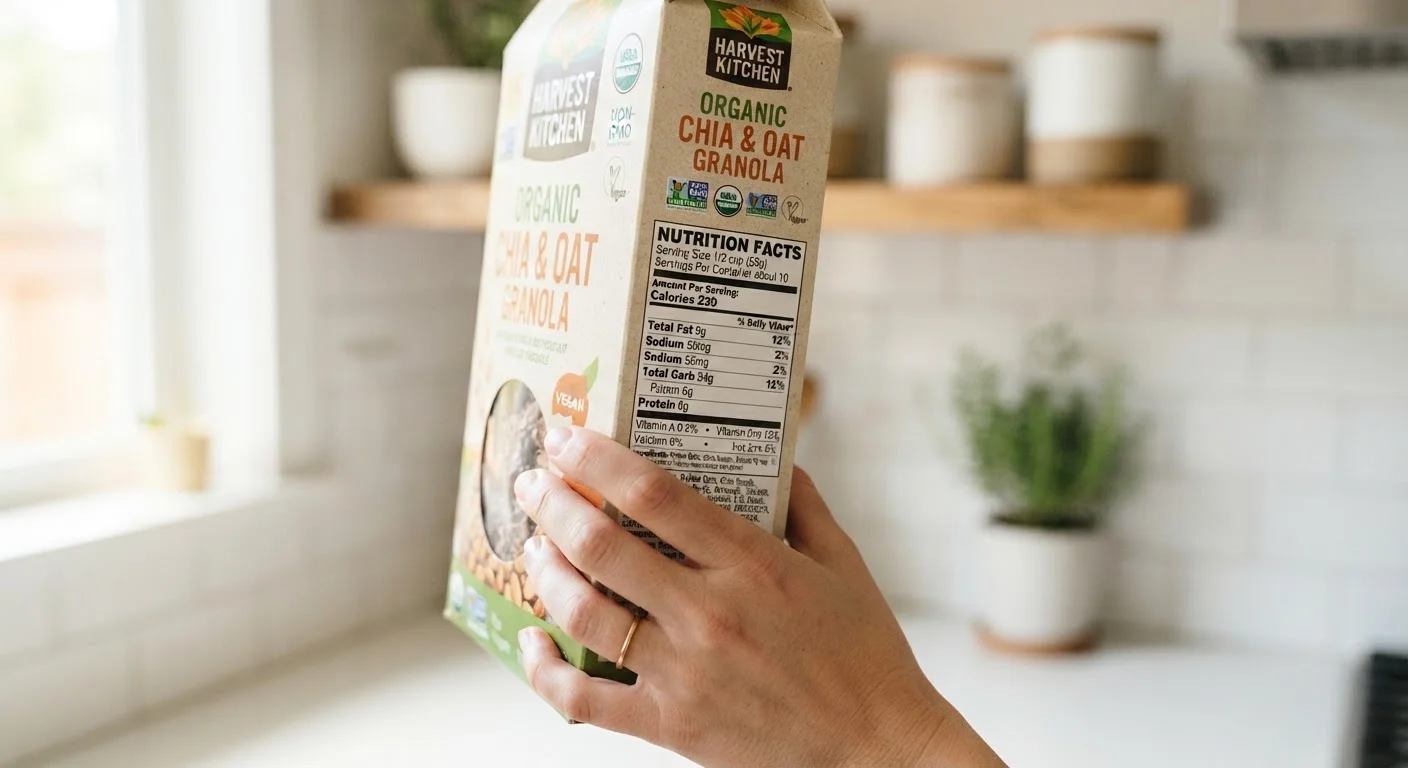
Photo: BridgeWish.com | Reliable Source Of Information editorial
Key Takeaways
- Serving size is the reference point for every number on the label — always check it first.
- % Daily Value shows how much one serving contributes to a standard 2,000-calorie daily diet.
- Ingredients are listed by weight, so what appears first is present in the greatest amount.
- Added sugars and sodium are easy to overconsume; the label makes tracking them straightforward.
- Front-of-package claims like 'natural' or 'light' are not substitutes for reading the Nutrition Facts panel.
Why Nutrition Labels Are Worth Your Time
The NF panel on packaged food is one of the most information-dense tools available to everyday shoppers — yet many people glance at it only for calories and move on. The label was updated by the FDA in 2020 to make key data more prominent, including a separate line for added sugars and a refreshed format for serving sizes. Understanding each section lets you make faster, more confident decisions in the grocery aisle without relying on front-of-package marketing.
This guide walks through the label section by section. If you want to understand the terminology you'll encounter — words like bioavailability or glycemic index — our nutrition terms reference is a useful companion.
This Is Information, Not Medical Advice
Before diving in, gather a package from your pantry. Reading along with a real label makes each step much easier to internalize.
What you will need
How to Read a Nutrition Label, Step by Step
Follow these steps in order — they mirror the physical layout of the Nutrition Facts panel from top to bottom, which makes it easy to apply consistently to any product.
Start with serving size
The serving size is printed at the very top of the Nutrition Facts panel, just below the bold header. Every single number on the label — calories, fat, sodium, everything — is calculated for that one serving amount. If the label says a serving is 1 cup but you pour 2 cups, you're consuming double all listed values.
Also check servings per container. A small bag of chips might list 3 servings; eating the whole bag means tripling the calorie and nutrient counts shown.
Check calories
Calories appear in large type directly below serving size. This number tells you how much energy one serving provides. It's a useful reference point, but calories alone don't tell the full story — the quality and source of those calories matters too. A 200-calorie serving of almonds and a 200-calorie serving of a sugary snack affect your body differently.
Review the nutrients to limit
The label highlights nutrients most Americans tend to overconsume: saturated fat, sodium, and added sugars. These are listed with both a gram amount and a % Daily Value (% DV). The % DV is based on a 2,000-calorie reference diet — it tells you what percentage of the recommended daily limit one serving uses up.
- Saturated fat: High intake is linked to elevated LDL cholesterol in many people.
- Sodium: Easy to accumulate quickly across processed foods in a single day.
- Added sugars: Distinct from naturally occurring sugars (like those in fruit or dairy), added sugars contribute calories with little nutritional benefit.
Look for nutrients to get enough of
Below the nutrients to limit, the label lists nutrients many Americans under-consume: dietary fiber, vitamin D, calcium, iron, and potassium. A higher % DV here is generally a positive sign. Dietary fiber in particular supports digestive health and can help you feel fuller longer.
Read the ingredient list
The ingredient list appears below or beside the Nutrition Facts panel. Ingredients are listed in descending order by weight — the first ingredient is present in the largest amount. If sugar, refined flour, or a type of oil appears in the first three ingredients of a food marketed as 'healthy,' that's worth noting.
Also watch for multiple forms of the same ingredient listed separately (e.g., 'sugar,' 'high-fructose corn syrup,' 'cane syrup'). This can spread sweeteners across the list, making each look smaller than the combined total.
Put it in context of your whole day
No single food defines a diet. Use what you've read to see how this item fits into your meals for the day — not as a pass/fail judgment. A food high in sodium might be fine if the rest of your day is low. Understanding the label gives you information; how you apply it depends on your own dietary pattern and goals. For a broader framework, the Healthy Eating Basics hub covers balanced nutrition principles that complement label reading.
Use the 5% and 20% Rule of Thumb
Front-of-Package Claims Can Mislead
Once you've worked through the panel itself, don't overlook the ingredient list. It provides context that numbers alone can't capture. For more on how the full panel is structured, this walkthrough of the FDA Nutrition Facts panel goes deeper into each section.
This article is for general informational purposes only and does not constitute medical or dietary advice. Consult a qualified healthcare professional for guidance tailored to your individual health needs.
The content on this site is for informational purposes only and is not a substitute for professional advice. Always consult a qualified professional for guidance specific to your situation.