
Reading a Nutrition Label Without Getting Lost

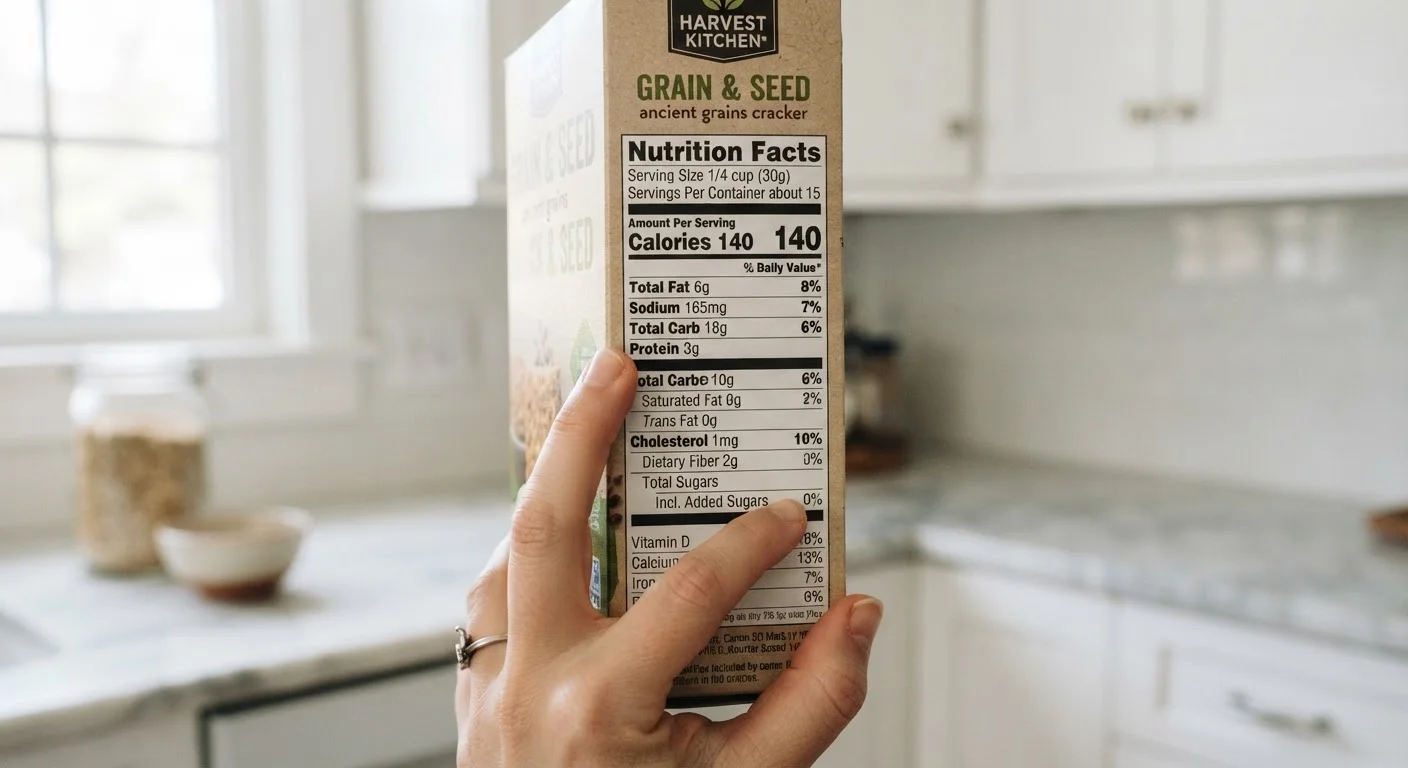
Photo: BridgeWish.com | Reliable Source Of Information editorial
Key Takeaways
- Serving size is the foundation of the label — all other numbers are based on it.
- % Daily Value tells you how much a nutrient contributes to a standard 2,000-calorie diet.
- Ingredients are listed by weight, so what comes first is present in the greatest amount.
- Nutrients like saturated fat, sodium, and added sugars are worth keeping lower in your diet.
- Understanding label structure helps you compare products and make more balanced choices.
Why Nutrition Labels Matter
Every packaged food sold in the US carries a Nutrition Facts panel regulated by the FDA. It's designed to give you standardized, comparable information — but the layout can feel overwhelming when you're standing in a grocery aisle. Once you understand the structure, the label becomes a genuinely useful tool rather than a wall of confusing numbers.
This guide walks through each section of the label in the order you'll encounter it, so you can build a reliable reading habit. For a broader foundation, explore the Healthy Eating Basics hub, which covers core principles of balanced nutrition.
What you will need
How to Read Each Part of the Label
Follow these steps from top to bottom on any standard Nutrition Facts panel. The FDA's updated label format, which most manufacturers now use, is designed to lead with the information most relevant to public health.
Start with Serving Size
The very first line of the label tells you the serving size — typically expressed in common household measures (e.g., 1 cup, 3 crackers) alongside a gram weight. Every number on the rest of the label applies to that single serving, not the whole package.
Check how many servings are in the container. If a bag contains 3.5 servings and you eat the whole bag, multiply all the nutrient values by 3.5. This single step prevents the most common label-reading mistake.
Check Calories Per Serving
Calories appear in large print directly beneath the serving information. This number reflects the total energy in one serving from all three macronutrients: fat, carbohydrate, and protein. Use it as a quick reference point, but don't treat it as the only signal of a food's nutritional value — nutrient density matters as much as calorie count.
Review Nutrients to Limit
The next section lists nutrients most Americans tend to over-consume: saturated fat, trans fat, sodium, and added sugars. Dietary guidelines generally suggest keeping these lower in your overall diet. Trans fat, in particular, has no established safe level of consumption according to major health authorities.
Note that total fat includes unsaturated fats, which play important roles in the body — the goal is managing saturated and trans fats specifically, not avoiding fat entirely.
Look at Nutrients to Prioritize
Below the nutrients to limit, you'll find nutrients many people don't get enough of: dietary fiber, vitamin D, calcium, iron, and potassium. These are highlighted on the label because their under-consumption is associated with health concerns at a population level. A higher % Daily Value here is generally a positive sign.
Interpret the % Daily Value Column
The % Daily Value (%DV) column on the right tells you how much one serving contributes to a standard daily reference intake based on a 2,000-calorie diet. A general rule of thumb: 5% DV or less is considered low; 20% DV or more is considered high.
Your personal daily needs may differ based on age, activity level, and health conditions. The %DV is a comparison tool, not a precise personal prescription. It's most useful for quickly comparing two similar products side by side.
Read the Ingredient List
Ingredients are listed in descending order by weight — whatever appears first is the most prevalent ingredient in the product. This is one of the most informative parts of any label. If refined flour or sugar appears in the first two or three positions on what's marketed as a 'healthy' product, the ingredient list tells a different story than the front of the package.
A long list isn't automatically a red flag — some ingredients are functional or preservative in small amounts — but knowing the order helps you assess what the food is primarily made of.
Use Labels to Compare, Not Judge
Putting It All Together
Reading a label fluently takes a little practice, but the logic is consistent across every packaged product you'll encounter. Start by anchoring everything to the serving size, check the nutrients you personally need to monitor, then scan the ingredient list for any surprises. Over time this becomes a quick two-pass habit rather than a detailed analysis.
If you want to go deeper on specific terminology — terms like net carbs, bioavailability, or glycemic index — the plain-language glossary of common dietary terms is a helpful companion. For a more detailed walkthrough of the % Daily Value system specifically, see Reading a Nutrition Label Without Getting Confused.
Front-of-Package Claims Can Be Misleading
This article is for general informational purposes only and is not a substitute for personalized nutrition or medical advice. Consult a qualified healthcare professional or registered dietitian for guidance specific to your health needs.
The content on this site is for informational purposes only and is not a substitute for professional advice. Always consult a qualified professional for guidance specific to your situation.