
Hydration and Diet: The Role Water Plays in Nutrition

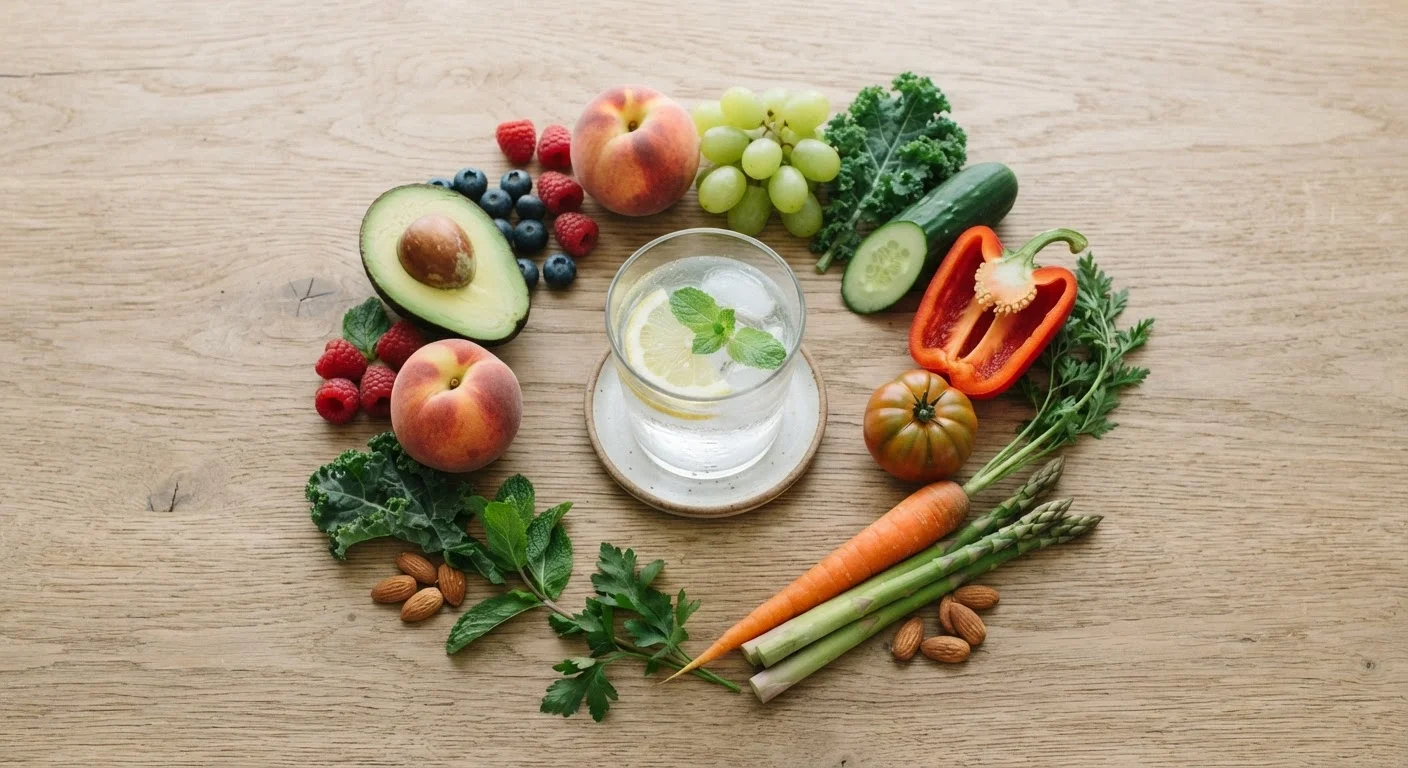
Photo: BridgeWish.com | Reliable Source Of Information editorial
Key Takeaways
- Water is essential for digesting food and absorbing nutrients effectively.
- Mild dehydration can impair energy, focus, and digestion before thirst kicks in.
- Foods — especially fruits and vegetables — contribute meaningfully to daily fluid intake.
- Hydration needs vary by body size, activity level, climate, and diet composition.
- Drinking water with meals supports enzyme activity and gut function.
Why Water Is a Nutritional Essential
Most people think of nutrition in terms of food — protein, carbohydrates, fats, vitamins, and minerals. Water rarely makes the short list. But water is classified as an essential nutrient, meaning the body cannot produce enough of it on its own and must obtain it from outside sources. Without adequate water, the nutrients you consume can't do their jobs.
Water makes up roughly 60% of adult body weight and serves as the medium in which virtually every biological reaction takes place. It transports nutrients from the digestive system into the bloodstream, carries waste products out of cells, regulates body temperature, and maintains the structural integrity of tissues. Think of it less as a passive liquid and more as the transportation infrastructure of your body's nutritional network.
~60%
Of adult body weight is water
According to the U.S. Geological Survey, water makes up approximately 60% of the adult human body, underscoring its foundational role in physiology.
20–30%
Of daily fluid from food sources
The National Academies of Sciences estimates that roughly 20–30% of daily water intake typically comes from food, particularly fruits and vegetables.
1–2%
Body water loss before performance dips
Research published in nutrition and sports science literature suggests that a body water deficit of as little as 1–2% of body weight can measurably affect cognitive and physical performance.
How Hydration Supports Digestion and Nutrient Absorption
The digestive process begins the moment food enters your mouth, and water is involved at every stage. Saliva — which is mostly water — starts breaking down carbohydrates before food reaches the stomach. In the stomach, water helps dissolve nutrients and supports the production of gastric acid and digestive enzymes. Further along in the small intestine, water enables the absorption of water-soluble vitamins like vitamin C and the B vitamins, as well as minerals such as potassium and magnesium.
Fiber, which plays a critical role in digestive health, also depends on water to function properly. Soluble fiber absorbs water to form a gel-like substance that slows digestion and supports healthy blood sugar levels. Without enough fluid, insoluble fiber can't move efficiently through the colon, which may contribute to constipation. If you're increasing fiber in your diet, increasing your fluid intake is equally important — learn more in our article on fiber and why most Americans fall short.
Pair Fiber Increases With More Water
Food as a Source of Hydration
Drinking water is the most direct way to stay hydrated, but it's far from the only way. Many whole foods — particularly fruits and vegetables — have a high water content that contributes meaningfully to daily fluid intake. Cucumbers, celery, lettuce, tomatoes, watermelon, and strawberries are among the most water-rich foods, often containing more than 90% water by weight.
This intersection of food and hydration matters practically: a diet rich in whole plant foods naturally supports fluid balance in ways that a heavily processed diet does not. Processed foods tend to be low in water and high in sodium, which increases the body's demand for water to maintain proper electrolyte balance. For a closer look at how your food choices affect fluid balance day to day, see how what you eat affects hydration.
Signs of Suboptimal Hydration — and What to Do About It
Thirst is a useful signal, but it's not always an early one. By the time thirst registers, mild dehydration may already be affecting energy levels, concentration, and digestion. Urine color is a more reliable real-time indicator: pale yellow generally suggests adequate hydration, while dark yellow or amber suggests you need more fluid.
Other signs of low hydration include infrequent urination, headaches, and sluggish digestion. None of these are definitive on their own, and other factors — including medications, health conditions, and dietary patterns — can influence them. If you're consistently experiencing these symptoms, speaking with a healthcare professional is the right step.
Hydration Needs Vary Significantly
Building consistent habits matters more than precise daily targets. Keeping water accessible throughout the day — with meals, during physical activity, and in warm environments — is a practical starting point for most people. For a broader look at how hydration fits into your overall nutritional framework, explore the Nutrition Basics hub.
Frequently Asked Questions
The content on this site is for informational purposes only and is not a substitute for professional advice. Always consult a qualified professional for guidance specific to your situation.