
Micronutrients: A Reference Guide to Vitamins and Minerals in Everyday Food

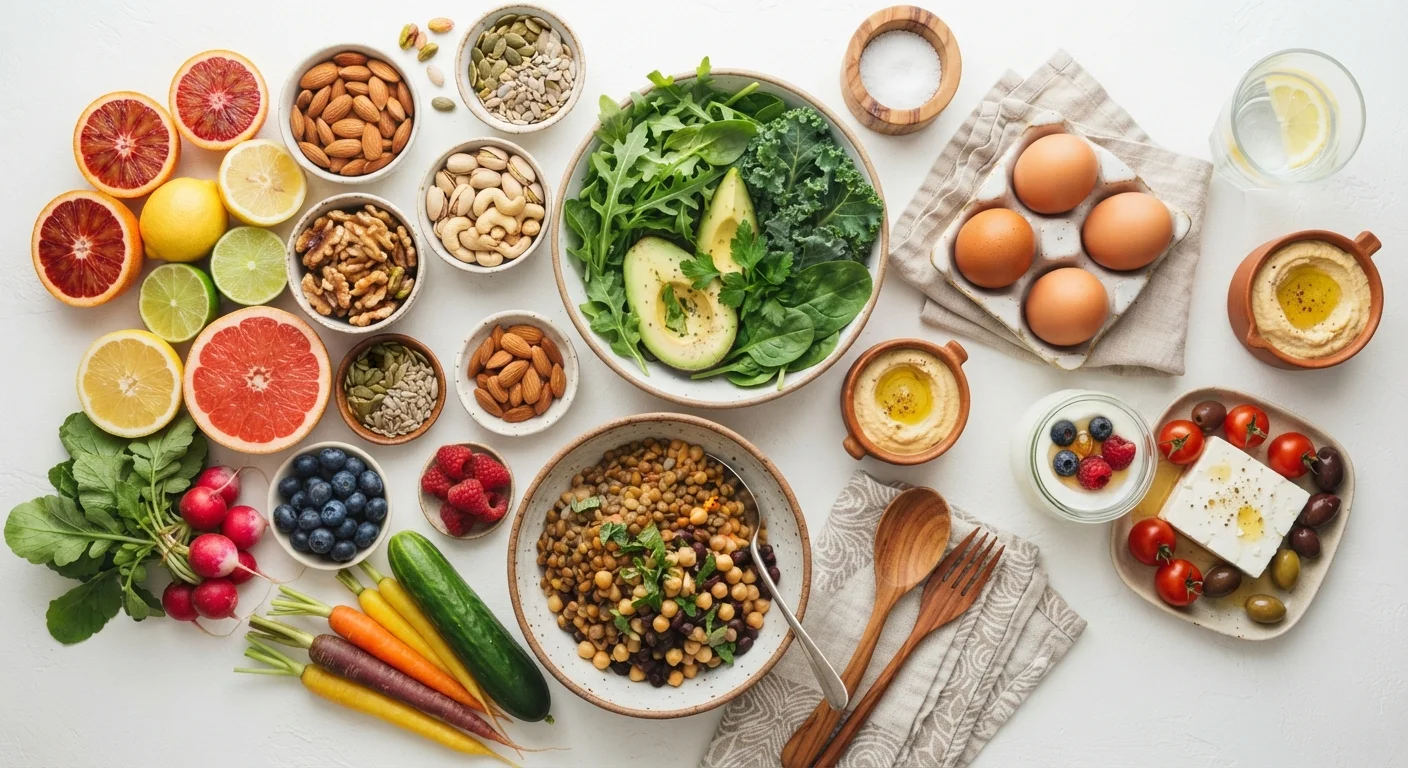
Photo: BridgeWish.com | Reliable Source Of Information editorial
What Are Micronutrients and Why Do They Matter?
Micronutrients are vitamins and minerals your body needs in relatively small amounts but cannot function without. Unlike macronutrients — carbohydrates, protein, and fat — micronutrients don't supply calories. Instead, they serve as essential workers behind the scenes: enabling enzyme reactions, supporting immune defenses, building bone, and regulating hundreds of metabolic processes.
There are two broad categories:
- Vitamins — organic compounds, divided into fat-soluble (A, D, E, K) and water-soluble (C and the B vitamins). Fat-soluble vitamins are stored in body tissue; water-soluble ones are not, so regular dietary intake matters more.
- Minerals — inorganic elements sourced from soil and water that make their way into plant and animal foods. Major minerals (like calcium and magnesium) are needed in larger amounts; trace minerals (like iron and zinc) in smaller ones.
For a broader look at foundational nutrition concepts, the Nutrition Basics hub is a helpful starting point. If you'd like a side-by-side comparison of all essential vitamins and minerals at once, see Micronutrients at a Glance.
Fat-soluble vitamins
Vitamins A, D, E, and K, which dissolve in fat and are stored in body tissues. Because they accumulate, excessive intake from supplements can become problematic.
Water-soluble vitamins
Vitamin C and the eight B vitamins, which dissolve in water and are not stored in large amounts. They need to be replenished regularly through food.
Bioavailability
The proportion of a nutrient your body actually absorbs and uses from food. Factors like food pairing, cooking method, and gut health all affect bioavailability.
Trace minerals
Minerals the body needs in very small quantities — including iron, zinc, iodine, and selenium — as distinct from major minerals like calcium and magnesium, which are required in larger amounts.
Deficiency
A state in which the body has insufficient levels of a specific nutrient to support normal function. Deficiencies can develop gradually and may cause a range of symptoms depending on the nutrient involved.
Fortified food
A food to which specific nutrients have been added during processing — for example, vitamin D added to milk or folic acid added to bread — to help people meet recommended intake levels.
Key Vitamins: Roles, Sources, and Deficiency Signs
The table below summarizes the most nutritionally significant vitamins, what they do, where to find them in everyday food, and early warning signs that intake may be falling short.
| Total essential vitamins | 13 (4 fat-soluble, 9 water-soluble) (National Institutes of Health, Office of Dietary Supplements) |
| Essential dietary minerals | Approximately 16 recognized as essential (Dietary Reference Intakes, National Academies of Sciences) |
| Most common deficiency in the US | Vitamin D, followed by iron and calcium (NHANES data, CDC) |
| Vitamin D synthesis | Produced by skin on sun exposure; still needs dietary support (NIH Office of Dietary Supplements) |
| Iron absorption booster | Pairing with vitamin C can increase non-heme iron absorption (Academy of Nutrition and Dietetics) |
| Vitamin | Primary Role | Common Food Sources | Signs of Deficiency |
|---|---|---|---|
| A | Vision, immune function, cell growth | Liver, dairy, eggs, orange/yellow produce, leafy greens | Night blindness, dry skin, frequent infections |
| C | Antioxidant protection, collagen synthesis, immune support | Citrus, bell peppers, broccoli, strawberries, kiwi | Slow wound healing, fatigue, bleeding gums |
| D | Calcium absorption, bone health, immune regulation | Fatty fish, egg yolks, fortified dairy and plant milks | Bone pain, muscle weakness, low mood |
| B12 | Nerve function, red blood cell production, DNA synthesis | Meat, fish, shellfish, dairy, eggs, fortified cereals | Fatigue, tingling extremities, cognitive changes |
| Folate (B9) | DNA replication, cell division, fetal neural development | Legumes, leafy greens, fortified grains, citrus | Anemia, fatigue; critical in early pregnancy |
| B6 | Protein metabolism, neurotransmitter synthesis | Poultry, fish, potatoes, bananas, fortified cereals | Irritability, depression, weakened immunity |
This table is a general educational reference. Individual needs vary. Consult a registered dietitian or healthcare provider before making changes to your diet or supplement routine.
Essential Minerals: What They Do and Where to Find Them
Minerals are just as critical as vitamins, yet they're often overlooked. Here's a focused look at the minerals most likely to fall short in typical American eating patterns — a topic explored in greater depth in our article on nutrients that commonly fall short in American diets.
- Calcium: Builds and maintains bone and teeth; supports muscle contraction and nerve signaling. Found in dairy products, fortified plant milks, sardines with bones, tofu (calcium-set), and leafy greens like kale and bok choy.
- Iron: Transports oxygen in red blood cells. Heme iron (from meat, poultry, fish) is more readily absorbed; non-heme iron (from legumes, spinach, fortified cereals) absorbs better alongside vitamin C.
- Magnesium: Involved in over 300 enzymatic reactions, including energy production and muscle relaxation. Found in nuts, seeds, whole grains, legumes, and dark chocolate.
- Potassium: Regulates fluid balance, muscle contractions, and blood pressure. Abundant in bananas, sweet potatoes, beans, tomatoes, and yogurt.
- Zinc: Supports immune function, wound healing, and taste perception. Found in oysters, red meat, poultry, beans, nuts, and whole grains.
- Iodine: Essential for thyroid hormone production. Chief sources are iodized table salt, seafood, dairy, and eggs.
Understanding how these nutrients are absorbed and interact is easier when you're familiar with common nutrition terminology. Our Quick Reference Guide to Common Dietary Terms explains concepts like bioavailability in plain language.
Special Populations Have Higher or Different Needs
Practical Tips for Meeting Your Micronutrient Needs
No single food delivers every micronutrient. The most reliable strategy is variety — eating across food groups and colors ensures a wide spectrum of vitamins and minerals naturally.
- Eat the rainbow: Different pigments in produce signal different phytonutrients and vitamins. Orange produce (carrots, sweet potatoes) is rich in beta-carotene; dark leafy greens deliver folate, vitamin K, and calcium.
- Pair strategically: Combine vitamin C-rich foods with plant-based iron sources to boost absorption. Add healthy fats (olive oil, avocado) to fat-soluble vitamin sources so your body can actually use them.
- Don't over-rely on supplements: Supplements can fill genuine gaps but are not a substitute for whole foods, which deliver fiber, antioxidants, and synergistic compounds that isolated pills don't replicate. Speak with a healthcare provider before starting any supplement regimen.
- Mind cooking methods: Water-soluble vitamins, especially vitamin C and B vitamins, can leach into cooking water or degrade with prolonged heat. Steaming, roasting, or brief sautéing preserves more nutrients than boiling.
For a deeper dive into specific vitamins and minerals your body relies on — including those it cannot produce itself — see Micronutrients: The Vitamins and Minerals Your Body Can't Make on Its Own.
This article is for general informational and educational purposes only and is not a substitute for personalized medical or dietary advice. If you have concerns about nutrient deficiencies or specific health conditions, please consult a qualified healthcare professional.
The content on this site is for informational purposes only and is not a substitute for professional advice. Always consult a qualified professional for guidance specific to your situation.