
Fitness Habits That Are Easier to Stick With Than a Gym Membership

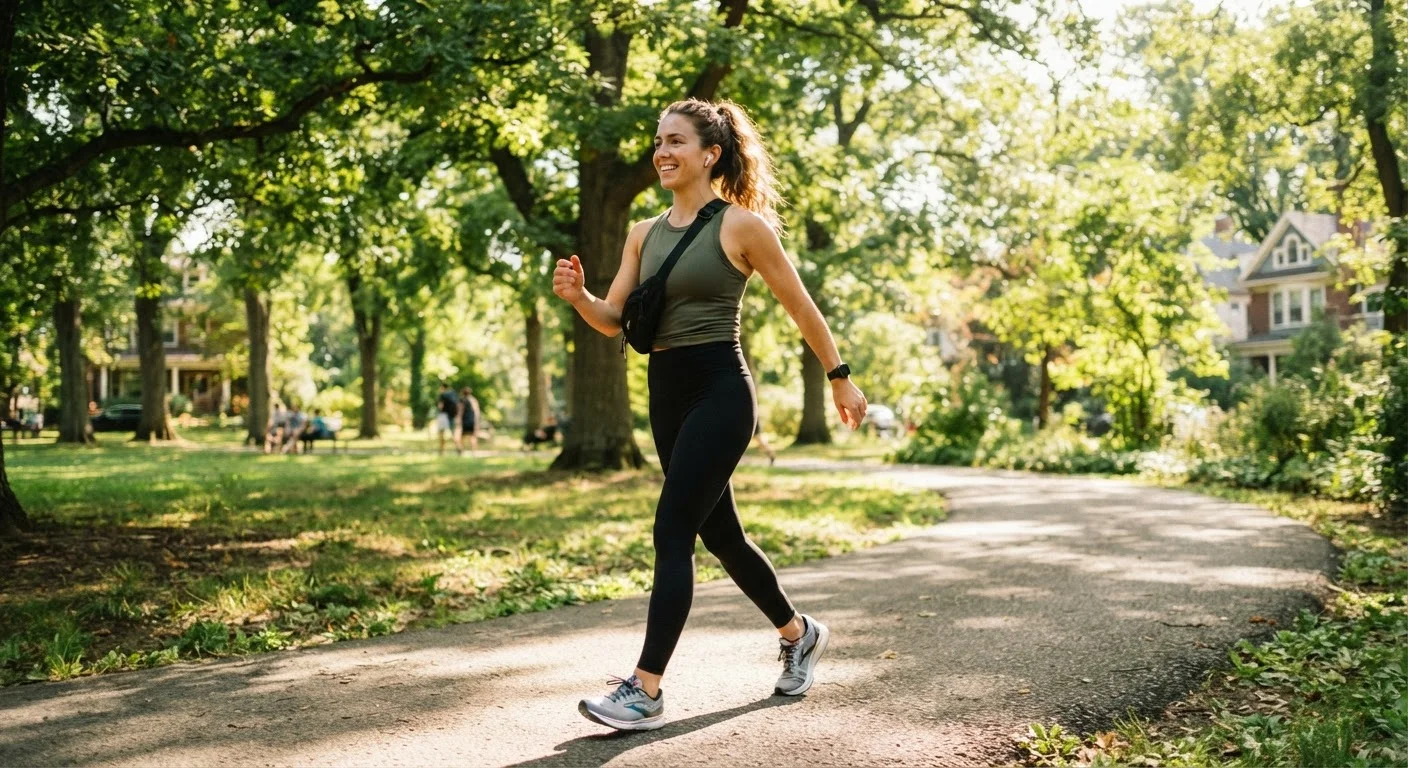
Photo: BridgeWish.com | Reliable Source Of Information editorial
Key Takeaways
- Lower-barrier fitness habits tend to outlast gym memberships for most everyday Americans.
- Short bouts of movement spread through the day add up meaningfully over time.
- Habit stacking — attaching movement to existing routines — dramatically improves consistency.
- Walking remains one of the most evidence-supported and accessible forms of daily exercise.
- Tracking non-scale progress markers helps sustain motivation beyond the initial weeks.
Why gym memberships don't work for most people
Americans collectively spend billions on gym memberships each year — and a significant portion of those memberships go largely unused after the first few weeks. This isn't primarily a willpower problem. It's a design problem. Gyms require travel, a set schedule, and a level of commitment that competes with the rest of a full American life.
The habits that tend to stick are the ones with the lowest friction. They don't require a drive, a childcare arrangement, or a specific time window. They fit inside life as it actually exists, not as we hope it might be reorganized. Consistency beats intensity as the foundation of lasting fitness — and consistency is far easier to achieve when the barrier to starting is small.
The following habits represent practical, lower-friction approaches to regular movement that fit real schedules and don't require a monthly fee.
Anchor movement to something you already do
Habit stacking — attaching a new behavior to an existing one — is one of the most reliable ways behavioral researchers have identified for building consistency. Instead of carving out a dedicated gym slot, tie movement to a routine that already runs on autopilot: a ten-minute walk after your morning coffee, bodyweight squats while waiting for the kettle to boil, or a short stretch sequence before bed.
The logic is straightforward: the established habit acts as a reliable cue. Over weeks, movement becomes the expected next step rather than a separate decision that can be skipped.
Attaching movement to an existing habit removes the daily decision that leads to skipping.
Walk more — deliberately and consistently
Walking may be the single most underrated form of exercise. Research consistently links regular walking to reduced risk of cardiovascular disease, improved mood, better blood sugar regulation, and lower all-cause mortality — without the injury risk or barrier-to-entry of higher-intensity exercise.
The key word is deliberate. Parking farther away, taking stairs, or adding a 20-minute lunch walk transforms incidental steps into structured movement. If you're rebuilding a movement routine after a long gap, see our guide to starting a walking habit for a realistic, low-pressure framework.
Walking regularly delivers measurable cardiovascular and metabolic benefits with minimal injury risk.
Use bodyweight training at home
Push-ups, lunges, planks, and glute bridges require zero equipment and can be done in a living room. Research on resistance training confirms that bodyweight exercises, when performed with sufficient effort and progression, build meaningful strength and muscle endurance — particularly for people returning to fitness or starting out.
Structured bodyweight routines also eliminate two of the biggest gym barriers: travel time and cost. Our home exercise routine guide outlines how to structure sessions that are both effective and sustainable without any equipment.
Bodyweight training at home removes the cost and commute barriers that derail gym habits.
Break movement into shorter sessions throughout the day
The idea that exercise only counts if it's a continuous 45-minute block is outdated. Public health guidelines — including those from the U.S. Department of Health and Human Services — recognize that moderate-intensity activity accumulated in shorter bouts throughout the day produces comparable health benefits to a single longer session.
Three 10-minute walks, two brief strength circuits, or several stretching breaks spread across a workday all contribute to the weekly movement total. This approach is especially practical for people with irregular schedules, caregiving responsibilities, or sedentary desk jobs. Consistency matters far more than session length. Understand why steady habits outperform all-or-nothing approaches over time.
Short movement sessions spread through the day count — and they're often easier to protect.
Track progress beyond the scale
One reason fitness habits collapse is that people measure only weight, which fluctuates for dozens of reasons unrelated to fitness. Tracking markers like resting heart rate, how far you can walk without fatigue, how many push-ups you can complete, or how well you're sleeping gives a more accurate and motivating picture of real progress.
When you can see tangible improvement in endurance or strength, the habit feels worth continuing — even when the scale is uncooperative. Our article on tracking fitness progress without obsessing over the scale covers practical non-scale metrics worth monitoring.
Measuring endurance, strength, and sleep quality reveals progress the scale often misses.
Choose low-impact movement that fits your body
High-intensity workouts aren't the only path to meaningful fitness gains, and for many people — particularly those with joint concerns, older adults, or anyone returning from injury — they can create enough discomfort to discourage the habit entirely. Swimming, cycling, yoga, and walking all build cardiovascular fitness and flexibility with far less stress on knees, hips, and ankles.
Choosing a modality that feels good in your body increases the likelihood you'll return to it tomorrow. Our guide to low-impact exercise options explores the evidence behind these movement styles and how to get started.
Movement that doesn't hurt is movement you'll actually keep doing.
Building the habit loop that keeps you moving
Every item on this list shares a common thread: reduced friction. Whether it's walking after an existing routine, doing bodyweight exercises at home, or breaking movement into manageable bites, the goal is to make the habit easy enough that skipping it takes more effort than doing it.
These habits are general wellness information
Pairing movement habits with other consistency practices strengthens your overall routine. The same principles that make fitness habits stick apply to financial habits — see our article on habits that keep a budget working month after month for a complementary framework. Similarly, building consistent eating habits alongside movement creates a more complete foundation for long-term wellbeing.
Start with one habit from this list. Anchor it, repeat it, and measure progress in ways that reflect how your body actually feels and performs. That's the foundation of a fitness routine that outlasts any January resolution.
This article is for informational purposes only and does not constitute medical advice. Always consult a qualified healthcare professional before beginning a new exercise program, especially if you have existing health conditions or have been inactive for an extended period.
The content on this site is for informational purposes only and is not a substitute for professional advice. Always consult a qualified professional for guidance specific to your situation.