
Flexibility vs. Mobility: They're Not the Same Thing

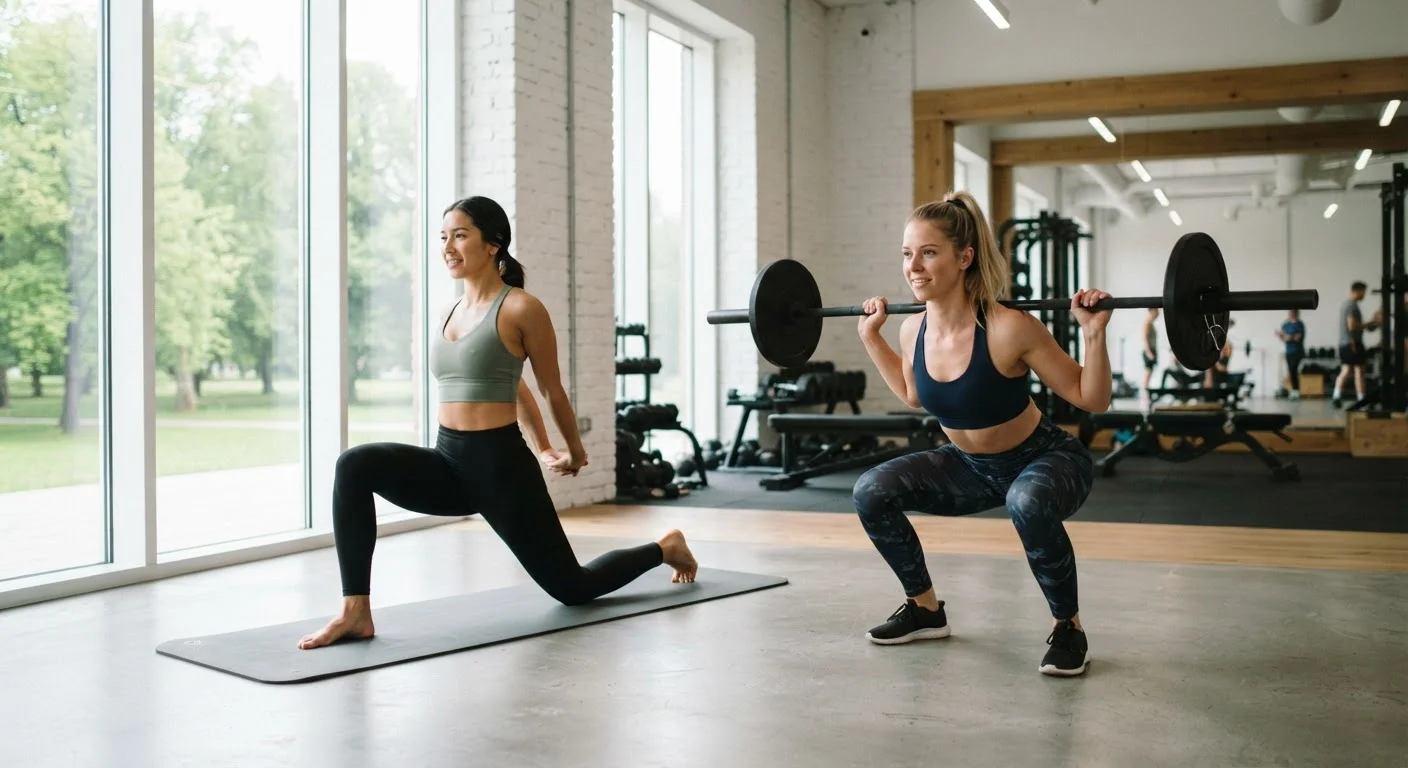
Photo: BridgeWish.com | Reliable Source Of Information editorial
Key Takeaways
- Flexibility measures how far a muscle can passively lengthen; mobility measures how well a joint actively moves.
- Someone can have flexible muscles yet still lack the control needed for functional, safe movement.
- Mobility training incorporates strength and neuromuscular control, not just stretching.
- Both qualities decline with age and inactivity, but both can be improved with consistent practice.
- For everyday movement and injury prevention, mobility is generally considered more functionally important than flexibility alone.
Why the Distinction Matters
Walk into almost any gym or yoga class and you'll hear flexibility and mobility used as if they mean the same thing. They don't — and understanding the difference can meaningfully change how you approach movement, warm-ups, and long-term physical health.
Think of it this way: flexibility is a property of muscle tissue, while mobility is a property of a joint system. A highly flexible hamstring means that muscle can lengthen passively under an external load, like gravity or a trainer's hand. But mobility asks a harder question: can your hip joint move through a full squat pattern with your own muscles controlling the movement? One is potential; the other is usable capacity.
This distinction matters most when it comes to injury prevention and functional fitness. Research in exercise science consistently shows that passive flexibility gains don't automatically translate into safer or more capable movement. Functional fitness — movement that carries over into daily life — depends far more on joint mobility and neuromuscular control than on how far you can stretch cold.
A Note on Hypermobility
What Flexibility Actually Involves
Flexibility is determined largely by the extensibility of muscle fibers and the surrounding connective tissues — tendons, fascia, and joint capsules. When you hold a static stretch, you're applying a sustained force to lengthen these tissues over time. Flexibility is relatively passive: you're not generating force into a range; you're allowing a range to happen to you.
Static stretching does have value. It can reduce muscular tension, improve posture perception, and provide a useful cooldown after exercise. Some evidence also supports it as a component of managing certain types of musculoskeletal discomfort, though the science is nuanced. Many common beliefs about stretching — including that it prevents injury before exercise — don't hold up well under scrutiny.
Where flexibility falls short is in preparing the body for dynamic, load-bearing movement. A muscle that can lengthen passively still needs strength, coordination, and nervous system engagement to perform safely under real-world conditions.
~25%
Decline in joint range of motion by age 70
Research in gerontology indicates that adults can lose roughly a quarter of their joint range of motion by their seventh decade, largely due to inactivity and connective tissue changes — underscoring why active mobility work matters across the lifespan.
10–15 min
Daily practice linked to measurable mobility gains
Exercise science literature consistently suggests that even brief, daily dedicated movement practice — as little as 10 to 15 minutes — can produce meaningful improvements in joint range and control over weeks to months.
What Mobility Actually Involves
Mobility is active. It requires the joint to move through its range while the surrounding muscles produce, guide, and stabilize that movement. A mobile hip joint doesn't just allow a deep squat — it can control one. That requires contributions from the glutes, hip flexors, core, and nervous system working in coordination.
Mobility training tends to look different from traditional stretching. It often includes controlled articular rotations (slow, deliberate circles through a joint's full range), loaded stretching (adding tension at end range), and movement drills that challenge coordination and strength simultaneously. These approaches build what sports medicine professionals sometimes call "end-range strength" — the ability to be strong and stable at the outer edges of a joint's motion.
This is why two people can score identically on a passive flexibility test but perform very differently on a movement screen. Mobility is the bridge between raw tissue extensibility and functional physical capacity.
Start With the Hips and Thoracic Spine
How to Develop Both
A well-rounded movement practice addresses both qualities. For flexibility, static and passive stretching performed after activity — when muscles are warm — is a time-tested approach. Holding positions for 20 to 60 seconds targets the muscle tissue directly and can progressively improve range over weeks.
For mobility, the focus shifts to active control. Dynamic warm-up routines, yoga flows that require muscular engagement throughout each pose, and targeted drills for problem joints (hips, thoracic spine, and ankles are common limiting areas) are all useful tools. Working with a physical therapist or certified movement coach can help identify where your mobility gaps are and build a program around them.
Both flexibility and mobility decline with age and inactivity, but both respond well to consistent, progressive training. Even modest daily practice — 10 to 15 minutes of intentional movement work — can produce meaningful improvements over time. The key is consistency and understanding which quality you're actually targeting in any given session.
This article is for general informational purposes only and does not constitute medical or professional fitness advice. Consult a qualified healthcare provider or certified fitness professional before starting any new exercise program, especially if you have existing injuries or health conditions.
Frequently Asked Questions
The content on this site is for informational purposes only and is not a substitute for professional advice. Always consult a qualified professional for guidance specific to your situation.