
Low-Impact Exercise Options That Are Easier on Your Joints

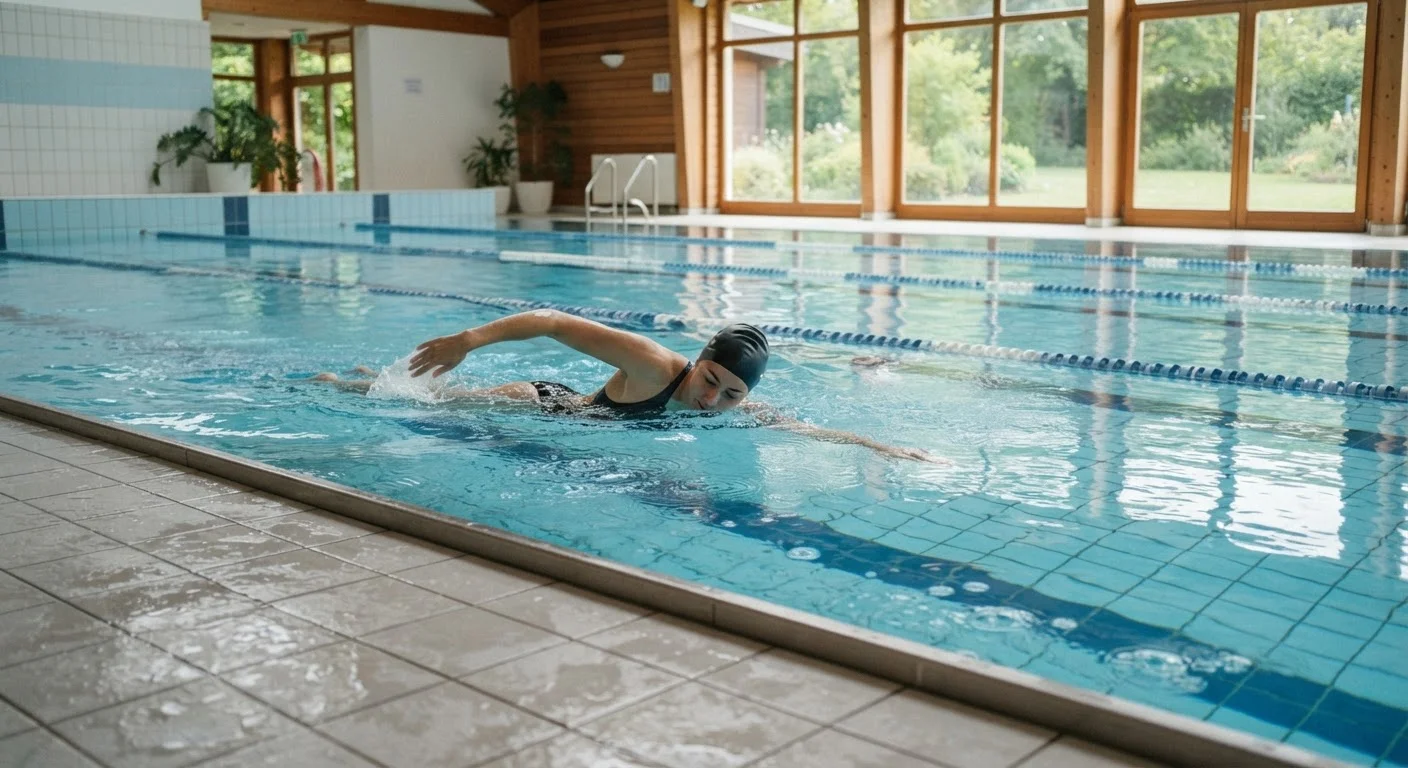
Photo: BridgeWish.com | Reliable Source Of Information editorial
Key Takeaways
- Low-impact exercise reduces stress on knees, hips, and ankles without sacrificing fitness benefits.
- Options like swimming, cycling, and yoga can be adapted for nearly any fitness level or age.
- Consistency with low-impact movement supports long-term joint health and cardiovascular fitness.
- Consulting a healthcare provider before starting a new exercise routine is especially important if you have joint conditions.
- Variety across low-impact modalities helps build strength, flexibility, and endurance simultaneously.
Why Low-Impact Movement Matters
High-impact exercise — running, jumping, or intense aerobics — places significant repeated force through your joints. For many people, including those with arthritis, recovering from injury, or simply returning to fitness after a long break, that level of stress can cause discomfort or increase injury risk. Low-impact movement offers a practical middle ground: activities that elevate your heart rate, build strength, and support overall health without grinding down cartilage or overloading tendons.
"Low-impact" doesn't mean low-effort or ineffective. Done consistently, these activities can match or exceed the cardiovascular and muscular benefits of higher-impact options — and they tend to be far more sustainable over a lifetime. If you're looking for ways to stay active without the aches, the options below are a strong starting point. For those just returning to regular movement, our guide on starting a walking habit offers a grounded first step.
Start Gradually and Listen to Your Body
7 Low-Impact Exercise Options Worth Exploring
Swimming and Water Aerobics
Water supports roughly 90% of your body weight when submerged to the neck, which dramatically reduces the load on joints during movement. Swimming engages nearly every major muscle group while providing meaningful cardiovascular conditioning. Water aerobics classes offer a structured, social option that works well for older adults or anyone managing joint pain. The resistance of water also means muscles work harder than they might in equivalent land-based movement, making this genuinely effective — not just easy.
Water supports up to 90% of body weight, making swimming one of the most joint-friendly full-body workouts available.
Cycling (Stationary or Outdoor)
Cycling eliminates the repetitive ground-impact of running while still delivering a strong lower-body and cardiovascular workout. Stationary bikes are particularly useful because they allow you to control resistance and posture precisely, reducing the risk of improper form. Seat height and handlebar positioning matter more than many beginners realise — improper setup can actually strain the knees over time, so taking a few minutes to adjust your bike correctly is worthwhile. Recumbent bikes offer additional back support, which can help people with lumbar concerns.
Proper bike setup — especially seat height — is key to protecting your knees during cycling sessions.
Yoga
Yoga builds flexibility, balance, and muscular endurance through controlled, weight-bearing positions that rarely require jumping or sharp impact. Styles vary widely: restorative yoga is extremely gentle and focuses on relaxation and range of motion, while vinyasa or power yoga is more physically demanding. Beginners or those with joint concerns often find hatha or chair yoga the most accessible entry points. Many poses can be modified using props such as blocks and straps — a good instructor will offer these adaptations routinely. Our look at stretching myths is worth reading alongside any new flexibility practice.
Yoga's adaptability makes it accessible across a wide range of physical abilities and joint health levels.
Walking
Walking is often underestimated as exercise, but it consistently shows up in research as one of the most health-promoting activities an adult can do. It's low-cost, requires no equipment beyond supportive footwear, and can be scaled to virtually any fitness level. The key is progression: gradually increasing duration or pace over weeks rather than leaping to long distances immediately. For people who haven't been active in some time, it's genuinely the most accessible on-ramp — our guide on fitness habits easier than a gym membership explores why walking habits often outperform more ambitious plans for long-term consistency.
Walking requires no equipment and scales easily — making it one of the most sustainable fitness habits available.
Elliptical Training
The elliptical machine mimics the motion of running but keeps both feet in contact with the pedals throughout, eliminating the impact phase that stresses joints. Studies have found that elliptical training produces similar cardiovascular responses to treadmill running at equivalent effort levels, with significantly lower peak joint forces. Most machines allow resistance and incline adjustments, enabling progressive challenge as fitness improves. The added arm handles also engage the upper body, making it a more complete workout than walking or cycling alone.
Elliptical training delivers running-level cardiovascular effort with a fraction of the joint impact.
Tai Chi
Tai chi is a Chinese martial art practiced as slow, flowing movement sequences, making it especially well-suited for older adults or anyone prioritising balance and joint mobility. Research — including studies supported by the National Institutes of Health — suggests tai chi may help improve balance, reduce fall risk, and ease symptoms associated with conditions like osteoarthritis. The deliberate pace means there is virtually no impact, yet the practice requires focused muscular engagement and coordination throughout. It can often be practiced outdoors, in community centers, or via video-based instruction at home.
Tai chi's slow, deliberate movements build balance and coordination with almost zero joint impact.
Resistance Band Training
Resistance bands provide progressive muscular challenge without the compressive forces that heavy free weights can place on joints. They're particularly useful for targeting stabilising muscles around the knees and hips — areas that, when strengthened, can actively reduce joint discomfort during daily movement. Bands are inexpensive, portable, and highly versatile, allowing seated, standing, or floor-based exercises. For those concerned about joint health, building muscular support around vulnerable joints is just as important as choosing the right cardio modality.
Strengthening the muscles around your joints with resistance bands can actively reduce everyday joint discomfort.
Joint Conditions Deserve Personalised Guidance
Building a Routine That Sticks
The most effective exercise plan is one you'll actually follow. Low-impact options have a strong track record for adherence precisely because they're gentler — you're less likely to dread a swim or a yoga class than a punishing run. Mixing two or three modalities across a week also helps prevent boredom and works different muscle groups.
You don't need a gym to get started. Many of these activities can be adapted for home practice, and our guide to building a home exercise routine without equipment can help you structure sessions around your space. It's also worth noting that regular movement carries meaningful mental health benefits — physical activity is widely linked to improved mood and reduced anxiety, though the relationship is more nuanced than it may appear. See our article on exercise and mental health for a balanced look at what the evidence actually shows.
This article is for general informational and educational purposes only and is not a substitute for professional medical advice. If you have a joint condition, chronic pain, or other health concern, consult a qualified healthcare provider before beginning any new exercise program.
The content on this site is for informational purposes only and is not a substitute for professional advice. Always consult a qualified professional for guidance specific to your situation.