
Tracking Fitness Progress Without Obsessing Over the Scale

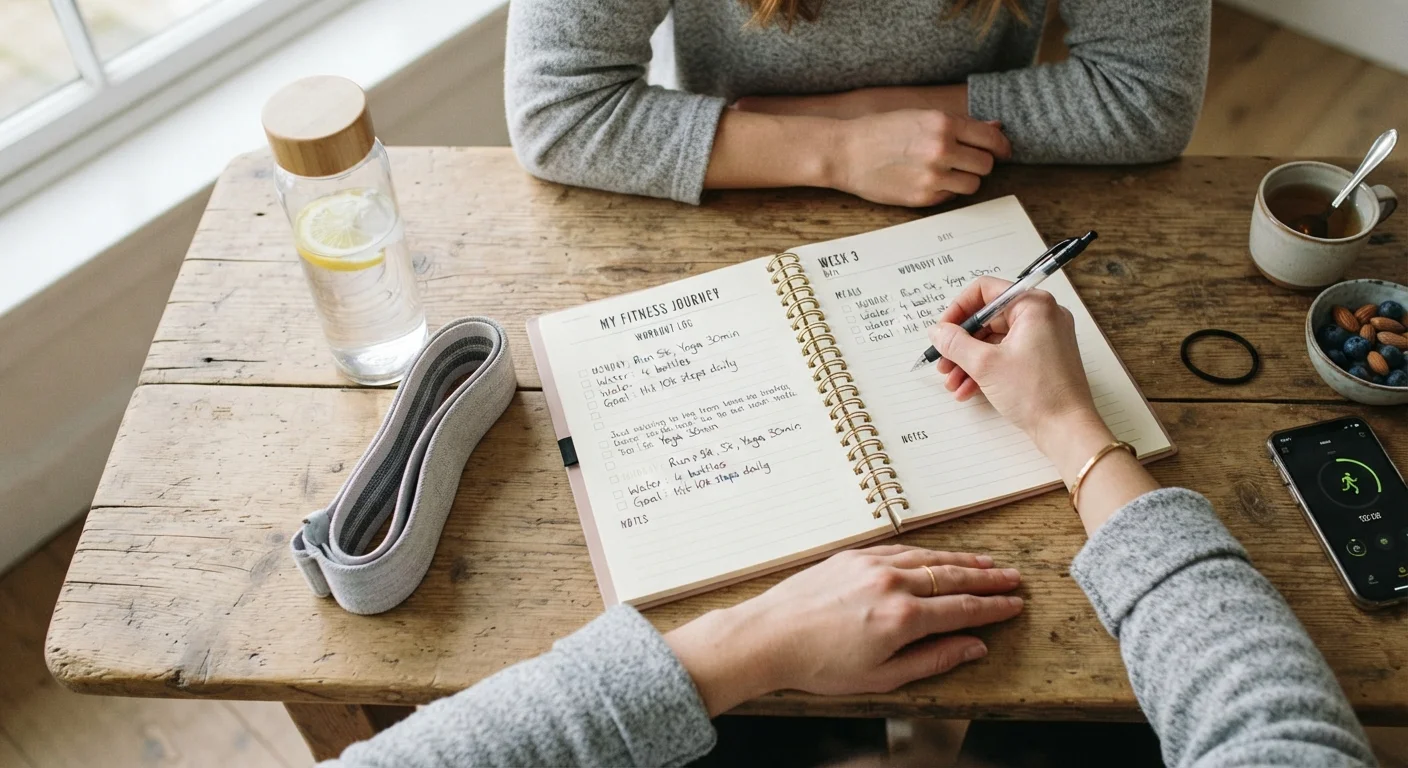
Photo: BridgeWish.com | Reliable Source Of Information editorial
Key Takeaways
- Body weight fluctuates daily and is a poor sole indicator of fitness progress.
- Strength, endurance, energy levels, and mood are more meaningful metrics to track.
- A fitness journal or simple app can help you spot real trends over time.
- Progress photos and body measurements give concrete, scale-independent feedback.
- Shifting focus from weight to performance helps build lasting, healthy habits.
Why the Scale Tells an Incomplete Story
The bathroom scale measures one thing: total body weight. It cannot distinguish between fat, muscle, water, bone density, or the contents of your digestive system at any given moment. Yet for many Americans, the number on the scale has become the default — and often the only — measure of fitness success. This narrow focus can be discouraging and misleading, especially when you're building muscle (which is denser than fat) or when normal water retention masks fat loss entirely.
Research in exercise science consistently shows that body composition, cardiovascular endurance, functional strength, and metabolic health are far stronger predictors of long-term wellbeing than body weight alone. Shifting your tracking strategy to include these dimensions gives you a more honest, motivating, and complete view of what your body is actually doing. It also makes the process more sustainable — because you're measuring what genuinely matters for health, not chasing an arbitrary number.
Frequent weigh-ins can distort your perception
Practical movement habits that fit real American schedules are more likely to produce lasting results than extreme programs focused purely on weight loss. The steps below will help you build a tracking system that reflects real, meaningful change.
How to Build Your Multi-Metric Tracking System
The following steps walk you through setting up a practical, scale-light approach to tracking fitness. You don't need specialized equipment or a gym membership — a notebook and a measuring tape are sufficient to get started.
What you will need
Fitness journal or notebook
Record workouts, energy levels, and personal bests to spot trends over time.
Flexible measuring tape
Measure waist, hips, arms, and other areas as a scale-independent progress indicator.
Smartphone fitness app
Log steps, workout duration, and heart rate data automatically in one place.
Camera or smartphone
Take periodic progress photos under consistent conditions to observe visual body changes.
Define what progress means to you
Before tracking anything, get clear on your personal goals. Are you aiming to feel less winded climbing stairs, lift a heavier weight, sleep better, or simply move more each week? Writing down two or three specific, non-scale goals gives your tracking a clear purpose. Examples include completing a 5K without stopping, doing ten push-ups with good form, or consistently hitting a step target each day.
Record your starting fitness benchmarks
Before your next workout, document where you are right now. Note how many push-ups, squats, or rows you can complete with good form. Record your resting heart rate, how long you can walk or jog before needing a break, and how you feel during and after exercise. These benchmarks become your true baseline — the numbers you'll look back on to confirm real change.
Take body measurements and optional progress photos
Use a flexible measuring tape to record circumferences at the waist, hips, chest, upper arms, and thighs. Log these numbers and revisit them every three to four weeks. If you choose to take progress photos, use consistent lighting, distance, and clothing each time. Both methods can reveal body composition changes — such as building muscle or reducing body fat — that the scale completely misses because muscle and fat have different densities.
Log workouts and track performance gains
After each session, write down what you did — exercises, sets, reps, duration, or distance — and note how it felt on a simple scale (easy, moderate, hard). Over time, you'll see that the same workout starts to feel easier, or that you're lifting more or running further. This is progressive overload in action, and it's one of the clearest signs your fitness is genuinely improving. If you hit a stretch where gains seem to stall, understanding the physiology of plateaus can help you interpret what's happening.
Track energy, sleep, and daily activity
Fitness progress isn't confined to the gym. Note your daily energy level, quality of sleep, mood, and how active you are throughout the day. Improved sleep depth, more consistent energy in the afternoon, or needing fewer rest stops on a walk are all legitimate signs your body is adapting positively to regular movement. A step count or active minutes tracker can make daily activity trends visible and rewarding to watch grow.
Review your data regularly and adjust
Set a recurring check-in — every two to four weeks works well for most people. Compare your current benchmarks to where you started across all of your metrics: performance, measurements, energy, and mood. Celebrate any improvement, however small. If multiple metrics have stalled, use that information to adjust your routine rather than escalating intensity in ways that risk burnout. Steady, moderate habits consistently outperform all-or-nothing approaches over the long run.
Variety in tracking prevents tunnel vision
Tracking Should Support, Not Harm, Wellbeing
If you find yourself hitting a stretch where your tracked metrics stop improving despite consistent effort, that's often a natural adaptation response rather than a sign of failure. Common mistakes that stall fitness progress can point you toward the right adjustments to get moving again.
This article is for general informational and educational purposes only and does not constitute medical advice. Consult a qualified healthcare professional before beginning any new exercise program or if you have concerns about your health.
The content on this site is for informational purposes only and is not a substitute for professional advice. Always consult a qualified professional for guidance specific to your situation.