
Sleep and Mental Health: Why the Connection Runs Deeper Than You Think

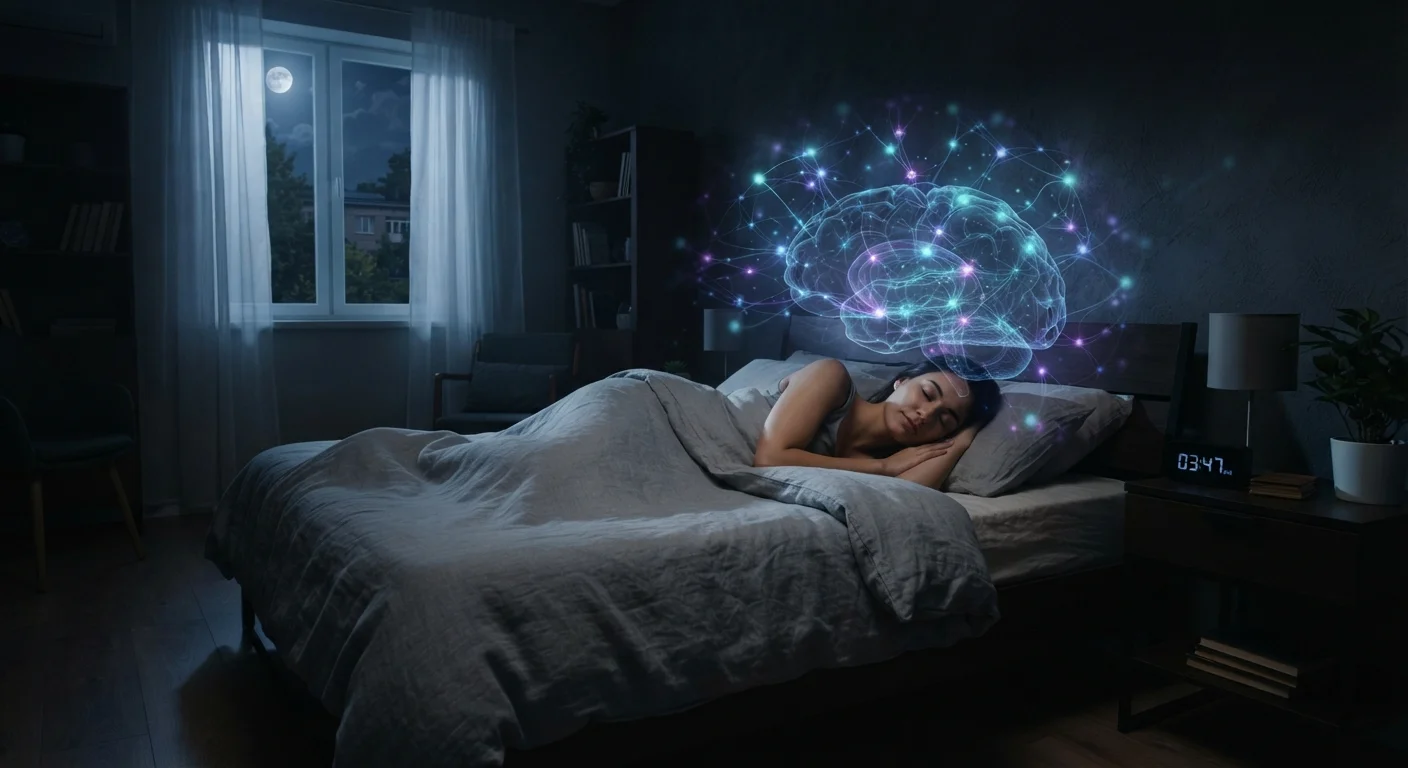
Photo: BridgeWish.com | Reliable Source Of Information editorial
Key Takeaways
- Sleep and mental health influence each other in both directions, not just one way.
- Chronic sleep deprivation is associated with elevated risk for anxiety, depression, and mood disorders.
- Even partial sleep loss measurably affects emotional regulation and stress response.
- REM sleep plays a specific role in processing emotional memories and reducing their intensity.
- Improving sleep quality is a recognized, evidence-supported strategy for supporting mental wellbeing.
- Always consult a healthcare professional for persistent sleep problems or mental health concerns.
More Than Tiredness: What Sleep Deprivation Actually Does
Most people understand that a bad night's sleep leaves them groggy and irritable. What's less widely appreciated is that even modest, sustained sleep loss reshapes how the brain processes emotions, perceives threat, and regulates stress — often before a person notices anything beyond ordinary fatigue.
Studies using neuroimaging have shown that sleep-deprived individuals exhibit significantly stronger amygdala responses to negative stimuli, while the prefrontal cortex — which normally dampens that reactivity — becomes less effective at doing its job. In practical terms, this means that poor sleep makes people more emotionally reactive and less able to think through their responses calmly. For everyday mental health, that's a meaningful and underappreciated consequence.
This goes well beyond mood. Chronic stress and sleep deprivation share overlapping biological pathways — both elevate cortisol, strain the nervous system, and erode the brain's capacity to recover between challenges.
~73%
Adults with depression also report sleep disturbances
Research published in peer-reviewed psychiatric literature consistently finds the majority of people with major depressive disorder experience comorbid sleep problems.
2–3x
Higher risk of depression linked to insomnia
A widely cited meta-analysis found that people with chronic insomnia face a significantly elevated risk of developing clinical depression compared to those who sleep well.
7–9 hrs
Recommended nightly sleep for adults
Per the American Academy of Sleep Medicine and the CDC, most adults need 7–9 hours of sleep per night to support physical and mental health.
The Bidirectional Nature of Sleep and Mental Health
One of the most important — and frequently misunderstood — aspects of the sleep-mental health relationship is that it runs in both directions. Anxiety can make sleep difficult. Depression commonly disrupts sleep architecture, reducing restorative slow-wave sleep and fragmenting REM cycles. But simultaneously, poor sleep independently increases the risk of developing anxiety and depressive disorders.
This bidirectionality has significant implications: treating mental health without addressing sleep, or addressing sleep without considering mental health, often yields incomplete results. Healthcare providers increasingly treat the two together as mutually reinforcing systems.
For readers who want to understand how mood and brain function intersect with sleep patterns, our detailed look at sleep, mood, and the brain offers additional depth on this relationship.
“Sleep is not just a passive state of rest. It is an active, necessary process during which the brain performs critical maintenance — including the emotional processing that keeps us mentally resilient.”
— Matthew Walker, Neuroscientist and professor of neuroscience and psychology, author of widely cited research on sleep
Why REM Sleep Matters for Emotional Processing
Not all sleep stages are equal when it comes to mental health. REM (rapid eye movement) sleep — the stage most associated with dreaming — plays a specific and well-documented role in emotional regulation. During REM, the brain replays emotional memories in a neurochemical environment with lower norepinephrine (a stress-related chemical), which researchers believe helps reduce the emotional intensity attached to difficult experiences.
This is why people who are consistently REM-deprived — whether from disrupted sleep schedules, alcohol use before bed, or sleep disorders — often report heightened emotional sensitivity and difficulty processing stressful events. It's not just that they're tired; a key emotional-processing mechanism is being short-circuited.
Supporting good sleep isn't only about logging hours. A consistent wind-down routine can help promote the kind of sleep architecture that includes adequate REM, making it a practical mental health strategy as well as a sleep strategy.
Protect Your REM Sleep
Practical Implications: Sleep as a Mental Health Lever
Understanding the sleep-mental health connection isn't just academically interesting — it's actionable. Sleep hygiene, a term referring to the habits and environment that support consistent, quality sleep, is now recognized in clinical practice as one component of comprehensive mental health care.
Sleep also interacts with other mental health levers. Physical activity and mental wellbeing are closely linked, and exercise is associated with improved sleep quality — illustrating how lifestyle factors form an interconnected system rather than isolated variables. Similarly, evidence-informed self-care practices consistently include sleep as a foundational element.
If sleep difficulties are persistent — lasting more than a few weeks, or accompanied by symptoms of depression, anxiety, or other mental health concerns — the appropriate step is to consult a qualified healthcare professional. Cognitive Behavioral Therapy for Insomnia (CBT-I) is one approach with strong clinical evidence, and mental health professionals can help identify whether sleep difficulties and mood symptoms need to be addressed together.
This article provides general health information and education only. It is not a substitute for professional medical advice, diagnosis, or treatment. Always consult a qualified healthcare provider regarding any questions about your health or sleep concerns.
Frequently Asked Questions
The content on this site is for informational purposes only and is not a substitute for professional advice. Always consult a qualified professional for guidance specific to your situation.