
The Science Behind Why Chronic Stress Wears the Body Down

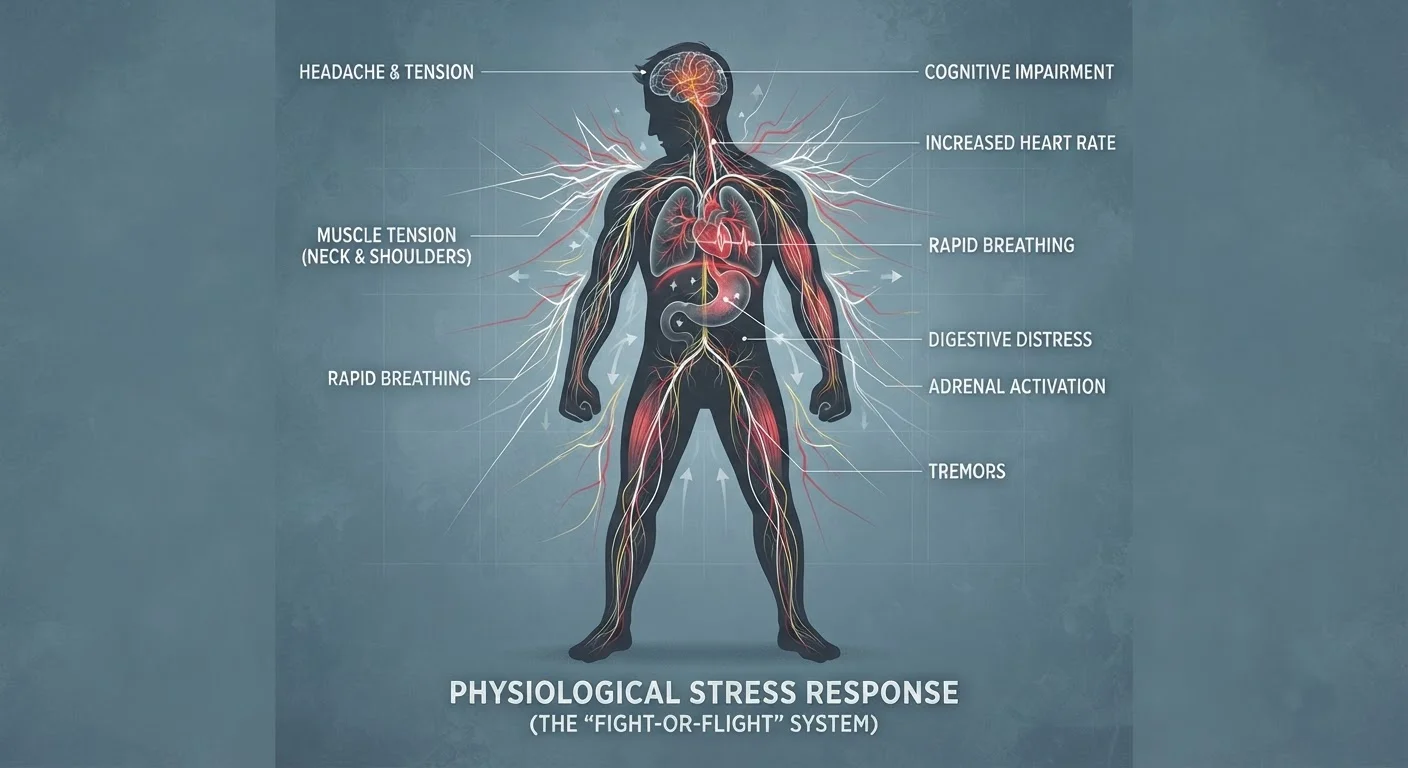
Photo: BridgeWish.com | Reliable Source Of Information editorial
Key Takeaways
- Chronic stress keeps the body's fight-or-flight system activated well beyond its intended short-term purpose.
- Elevated cortisol over time can impair immune function, cardiovascular health, and memory.
- Sleep disruption and chronic stress reinforce each other in a harmful cycle.
- Recognizing physical symptoms of chronic stress is the first step toward addressing them.
- Effective stress management is a health intervention, not a luxury.
How the Stress Response Was Designed to Work
The human stress response evolved as a survival mechanism. When the brain perceives a threat — whether a physical danger or a looming deadline — it activates the sympathetic nervous system, triggering a surge of hormones including adrenaline (epinephrine) and cortisol. Heart rate climbs, breathing quickens, muscles tense, and non-essential functions like digestion slow down. This is the classic fight-or-flight response.
In a genuinely threatening, short-lived situation, this response is useful and adaptive. Once the threat passes, the parasympathetic nervous system takes over, cortisol levels drop, and the body returns to a resting state — a process sometimes called the relaxation response.
The biological problem begins when the stress response is repeatedly triggered without adequate recovery. Modern stressors — financial pressure, relationship conflict, workplace demands, health concerns — often do not have clear endpoints. The body cannot easily distinguish between a predator and a difficult email, and the physiological response is similar in both cases.
77%
Americans reporting physical symptoms of stress
According to the American Psychological Association's Stress in America survey, a large majority of U.S. adults regularly experience physical symptoms they attribute to stress.
2–3×
Increased cardiovascular risk with chronic stress
Research published in peer-reviewed cardiology literature suggests people with sustained high stress levels face roughly two to three times the cardiovascular risk compared with those with low stress levels.
~8%
Hippocampal volume reduction linked to prolonged stress
Neuroimaging studies have found measurable reductions in hippocampal grey matter volume associated with prolonged stress exposure and elevated cortisol.
What Sustained Cortisol Does to the Body
Cortisol is the primary stress hormone, and it plays important roles in regulating inflammation, blood sugar, and metabolism under normal circumstances. The difficulty arises with chronically elevated cortisol levels, which gradually undermine the systems it was meant to regulate.
- Immune function: Short-term cortisol can actually suppress inflammation usefully, but long-term elevation impairs the immune system's ability to respond to infections and slows wound healing.
- Cardiovascular system: Persistent elevated heart rate and blood pressure increase wear on the arterial walls and raise the risk of hypertension and related conditions over time.
- Blood sugar regulation: Cortisol signals the liver to release glucose for immediate energy. Over time, this can impair insulin sensitivity, a factor in metabolic health.
- Brain structure: Research has found that chronic stress can reduce grey matter volume in the hippocampus — a region central to memory and learning — while increasing reactivity in the amygdala, which governs emotional threat responses.
For a deeper look at how these effects play out across different body systems, see what chronic stress actually does to your body and mind.
Managing Stress Is a Health Habit, Not a Treat
The Stress–Sleep Cycle
One of the most clinically significant consequences of chronic stress is its disruption of sleep. Elevated cortisol in the evening — when levels should naturally be low — delays the onset of sleep and reduces the proportion of deep, restorative sleep stages. Poor sleep, in turn, impairs the body's ability to regulate cortisol the following day, creating a feedback loop that compounds both problems.
Sleep is also when the brain consolidates memory, clears metabolic waste products, and regulates mood-related neurotransmitters. Disrupting this process repeatedly has measurable effects on emotional resilience, decision-making, and even pain perception. Sleep and mental health are more deeply connected than many people realize, and addressing stress without addressing sleep often yields limited results.
Recognizing When Stress Has Become a Health Issue
Because chronic stress unfolds gradually, many people adapt to feeling tense, fatigued, or irritable without recognizing it as a physiological problem. Common physical indicators include persistent headaches, gastrointestinal disruption, frequent illness, unexplained muscle tension, and fatigue that sleep does not fully resolve.
It is worth noting that these symptoms can overlap with other medical conditions, which is why a healthcare professional should evaluate any persistent physical complaints rather than assuming stress is the sole cause.
Chronic stress can also escalate into recognized clinical conditions — most notably anxiety disorders, burnout, and depression. Understanding the signs that everyday stress has crossed into something more serious can help individuals seek appropriate support earlier.
“The brain's stress circuitry did not evolve for the chronic, unrelenting stressors of modern life. It evolved for acute threats. When that system stays on, it begins to work against the very systems it was designed to protect.”
— Robert Sapolsky, Neuroendocrinologist and author of 'Why Zebras Don't Get Ulcers'
This article is for informational purposes only and is not a substitute for professional medical advice, diagnosis, or treatment. Always consult a qualified healthcare provider with questions about your health or any symptoms you may be experiencing.
Frequently Asked Questions
The content on this site is for informational purposes only and is not a substitute for professional advice. Always consult a qualified professional for guidance specific to your situation.