
Sugar in Your Diet: Natural, Added, and Everything In Between

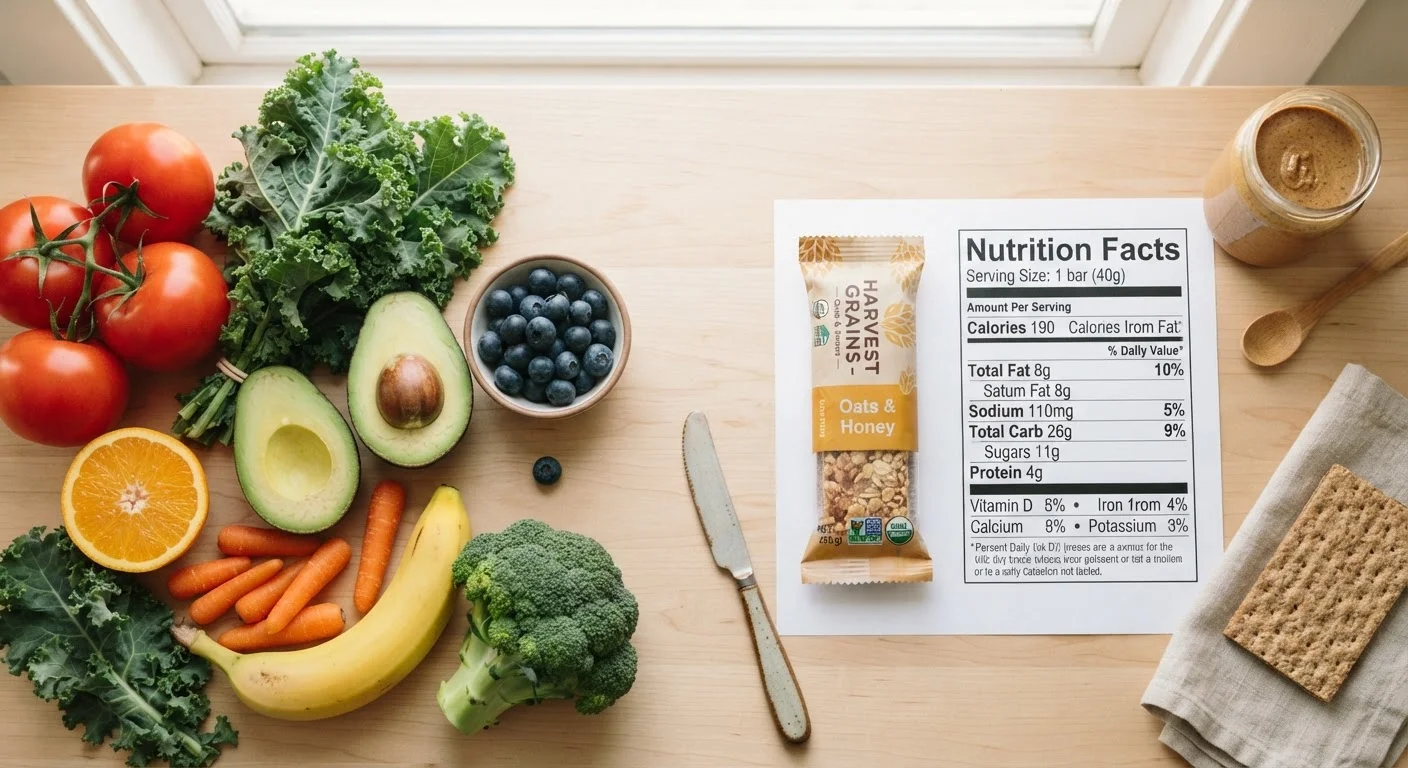
Photo: BridgeWish.com | Reliable Source Of Information editorial
Key Takeaways
- Natural sugars in whole foods come with fiber and nutrients that slow absorption and support health.
- Added sugars are incorporated during food processing and provide calories with minimal nutritional benefit.
- The Nutrition Facts label now separates 'Added Sugars' from total sugars, making it easier to identify them.
- The Dietary Guidelines for Americans recommend limiting added sugars to less than 10% of daily calories.
- Ingredient lists reveal added sugars under dozens of different names, including syrups, concentrates, and '-ose' compounds.
- High intake of added sugar is linked in research to increased risk of obesity, type 2 diabetes, and heart disease.
What Makes a Sugar 'Natural' or 'Added'?
The terms natural and added describe origin, not chemistry. Lactose in milk and fructose in an apple are naturally occurring — they exist as an intrinsic part of the food, alongside fiber, protein, vitamins, and minerals. Added sugars, by contrast, are introduced at any point in the manufacturing or preparation process: think the high-fructose corn syrup in a soft drink, the cane sugar stirred into a flavored yogurt, or the honey drizzled over granola at the factory.
Because the molecular structures of common sugars overlap significantly, your digestive system does not discriminate based on origin alone. What does differ is the nutritional company a sugar keeps. A cup of fresh strawberries delivers fructose along with vitamin C, folate, and several grams of fiber. A strawberry-flavored candy delivers similar sugar with essentially none of those extras. That context shapes how quickly sugar enters your bloodstream and how your body responds over time.
For plain-language definitions of related terms, see our glossary of key nutrition terms.
How to Spot Added Sugars on a Label
Since 2020, the updated Nutrition Facts label required by the U.S. Food and Drug Administration has included a dedicated 'Added Sugars' line indented beneath total sugars. This is one of the most practical tools available to everyday shoppers. If a product lists 20g of total sugars and 15g of added sugars, you can immediately see that most of the sweetness was introduced during processing rather than from the food's natural components.
17 tsp
Average daily added sugar consumed by US adults
According to estimates from the Centers for Disease Control and Prevention, American adults consume roughly 17 teaspoons of added sugar per day on average.
10%
Recommended added sugar limit as share of daily calories
The Dietary Guidelines for Americans recommend that added sugars make up less than 10% of total daily caloric intake for adults and children over age 2.
60+
Names for added sugar on ingredient labels
Sugar in processed foods appears under more than 60 different names in ingredient lists, making label literacy an important consumer skill.
The ingredient list is your second line of insight. Added sugars appear under more than 60 different names. Common ones include: high-fructose corn syrup, cane sugar, brown rice syrup, agave nectar, molasses, maltose, dextrose, and any ingredient ending in '-ose.' When several of these appear near the top of an ingredient list — ingredients are listed by weight, descending — that's a strong signal the product is high in added sugar. Our guide to reading nutrition labels breaks down how to interpret ingredient order and % Daily Value in more detail.
Quick Label Scan for Added Sugars
What the Research Links to Added Sugar Intake
A consistent body of research associates high added sugar consumption with several health concerns. Studies published in journals including JAMA Internal Medicine and reviews cited by the American Heart Association have linked diets high in added sugar to elevated triglycerides, increased risk of type 2 diabetes, weight gain, and higher rates of cardiovascular disease. The connection is not simply about calories — frequent blood glucose spikes and hormonal responses to high sugar intake appear to play mechanistic roles.
It's important to note that most research in this area identifies associations rather than definitive cause-and-effect relationships, and dietary patterns as a whole matter enormously. Eating one high-sugar food occasionally in an otherwise balanced diet is very different from chronic overconsumption. For a closer look at how the natural versus added distinction factors into dietary guidance, see our explainer on why the distinction matters.
“The problem isn't sugar itself — it's the dose and the source. Sugars naturally embedded in whole foods behave very differently in the body than sugars added to ultra-processed products.”
— Frank Sacks, Professor of Cardiovascular Disease Prevention, Harvard T.H. Chan School of Public Health
This article is for general informational and educational purposes only and does not constitute medical or dietary advice. Consult a qualified healthcare professional or registered dietitian for guidance specific to your health needs.
Frequently Asked Questions
The content on this site is for informational purposes only and is not a substitute for professional advice. Always consult a qualified professional for guidance specific to your situation.