
Nutrition Labels Decoded: Reading the Fine Print on Packaged Food

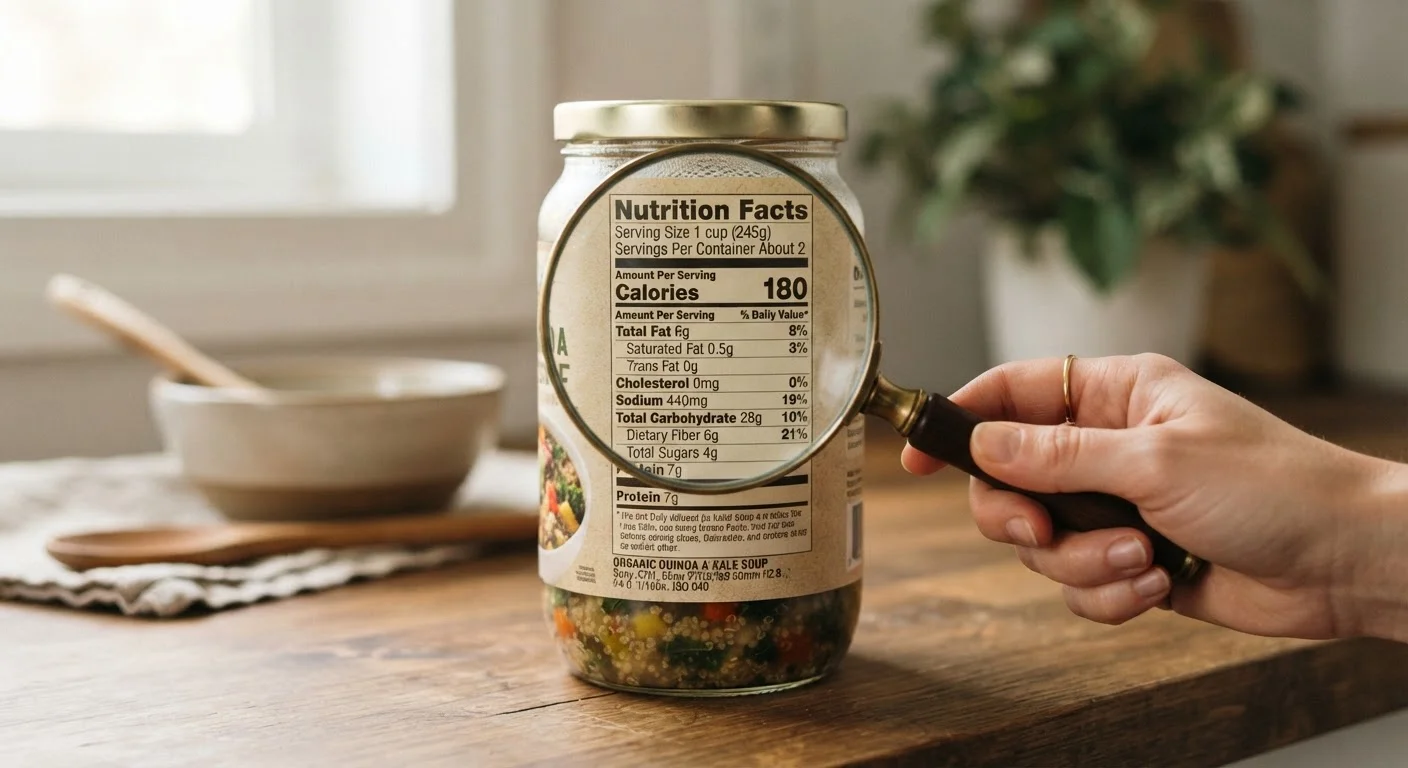
Photo: BridgeWish.com | Reliable Source Of Information editorial
Key Takeaways
- Serving size is the foundation of every other number on the label — always check it first.
- % Daily Value of 5% or less is considered low; 20% or more is considered high for any nutrient.
- Ingredients are listed by weight, so the first few items make up most of the product.
- Added sugars appear separately from total sugars and reveal how much sweetener was put in during processing.
- Short ingredient lists with recognizable words generally signal less processing.
Why Nutrition Labels Exist — and What They Actually Cover
The Nutrition Facts panel on packaged food in the United States is regulated by the FDA. Its purpose is straightforward: give consumers a standardized snapshot of what's in a product so they can make informed comparisons. The label was updated significantly in 2020, adding a dedicated line for added sugars and increasing the font size of calories, among other changes.
Every panel covers the same basic territory: serving information, calorie count, a breakdown of key nutrients, and a % Daily Value (% DV) column. Below the panel, the ingredient list follows its own rules. Knowing how each section works — and what it doesn't tell you — is the real skill. For a broader look at how food categories compare, see our guide on whole foods vs. ultra-processed foods.
What you will need
Step-by-Step: Reading the Label from Top to Bottom
The label is designed to be read in order — each section builds on the one above it. Follow these steps the next time you pick up a packaged item at the store.
Start with serving size and servings per container
Every number on the label — calories, grams of fat, % Daily Values — applies to one serving, not the whole package. Find the serving size (e.g., 2 cookies or 1 cup) and the number of servings per container. If a bag of chips contains 3 servings and you eat the whole bag, multiply every value by 3.
Note the calorie count per serving
Calories appear in large print just below the serving information. This number tells you how much energy one serving provides. It's a useful data point, but it doesn't indicate nutritional quality on its own — 200 calories of nuts and 200 calories of candy deliver very different nutrients.
Scan the nutrients to limit
The label lists saturated fat, trans fat, sodium, and added sugars — nutrients that current dietary guidance generally recommends keeping in check. Look at both the gram amount and the % Daily Value. A % DV of 20% or more means a single serving is high in that nutrient.
Check the nutrients to get enough of
Dietary fiber, vitamin D, calcium, iron, and potassium are nutrients many Americans under-consume. Here, a higher % DV is favorable. A food with 15–20% DV of fiber per serving contributes meaningfully toward your daily target.
Read the ingredient list from first to last
Ingredients are listed in descending order by weight. Whatever appears first is present in the largest amount. If a sweetener (sugar, high-fructose corn syrup, honey, etc.) appears in the first three ingredients, the product is relatively high in added sugar. Multiple forms of sugar scattered throughout the list can add up even when no single sweetener appears near the top.
Use % Daily Value as a quick comparison tool
The % DV column lets you compare products without doing math. Use the 5/20 rule: 5% DV or less is low for any nutrient; 20% DV or more is high. This rule applies whether you want more of a nutrient (like calcium) or less (like saturated fat).
Compare Products on a Per-Serving Basis
Common Label Terms That Trip People Up
Beyond the Nutrition Facts panel, the front of the package is covered in marketing language that has varying levels of legal meaning. Terms like "natural" and "made with whole grains" are loosely regulated and don't guarantee nutritional quality. "Low sodium" and "reduced fat," by contrast, have specific FDA definitions. Our article on food labeling terms decoded breaks down which claims carry regulatory weight and which are essentially marketing.
Two areas on the main panel also deserve extra attention:
- Total sugars vs. added sugars: Total sugars includes both naturally occurring sugars (like those in dairy or fruit-based ingredients) and sugars added during manufacturing. The added sugars line isolates only the latter. For a deeper look, see sugar in your diet.
- Percent Daily Values: These are based on a 2,000-calorie reference diet. Your actual needs may be higher or lower depending on age, activity level, and health status. Use % DV as a relative guide, not a personal prescription. A qualified healthcare professional or registered dietitian can help you interpret label data in the context of your own health.
Front-of-Package Claims Are Not the Label
For a more complete reference on nutrition terminology, visit our key nutrition terms guide. And if portion sizing is a challenge, understanding portion size offers practical perspective on how serving sizes compare to what most people actually eat.
This article is for general informational purposes only and is not a substitute for personalized dietary or medical advice. Consult a registered dietitian or qualified healthcare professional for guidance tailored to your individual health needs.
The content on this site is for informational purposes only and is not a substitute for professional advice. Always consult a qualified professional for guidance specific to your situation.