
Navigating the Homebuying Process: An End-to-End Reference

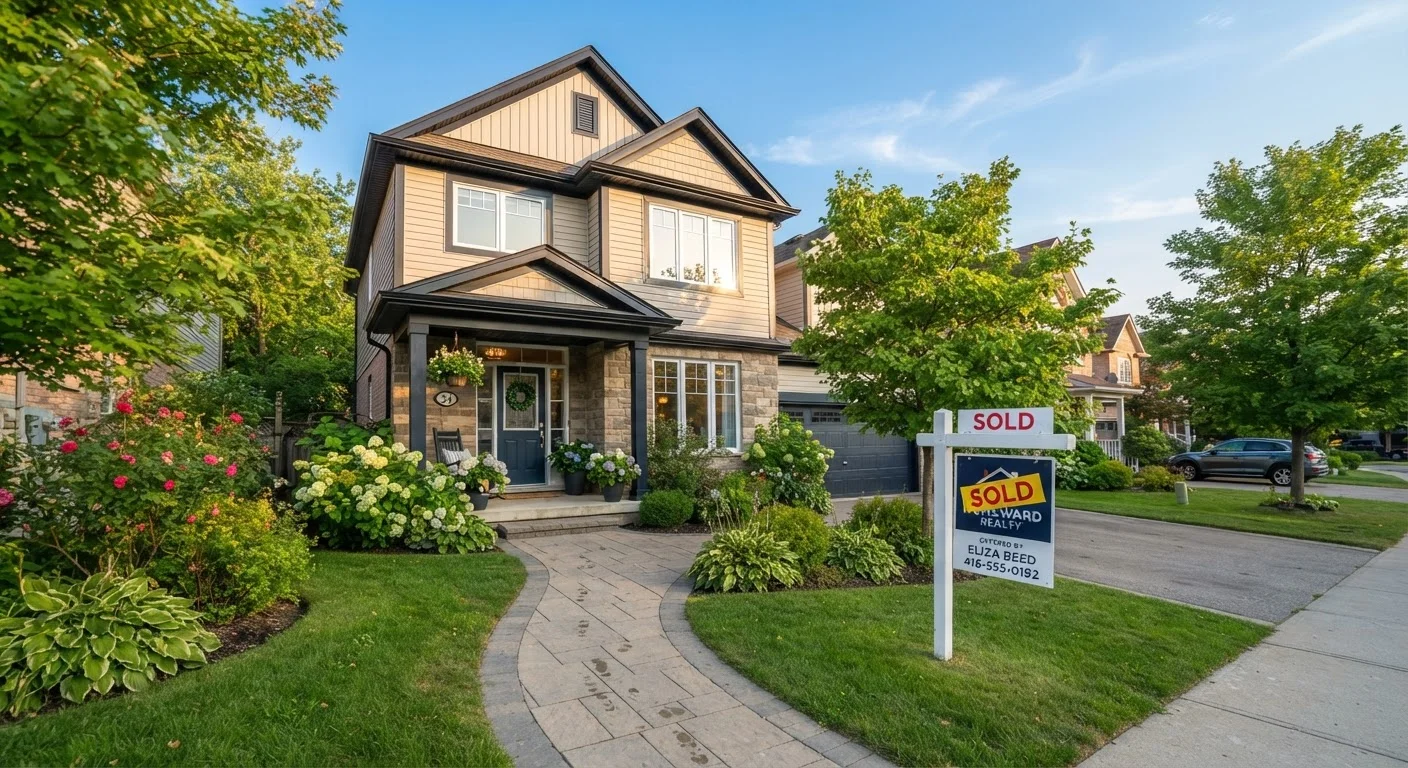
Photo: BridgeWish.com | Reliable Source Of Information editorial
Key Takeaways
- Your debt-to-income ratio is one of the most important factors lenders use when evaluating mortgage applications.
- Mortgage pre-approval gives you a realistic budget and strengthens your offer in a competitive market.
- Home inspections are a critical safeguard — never waive one without fully understanding the risks.
- Closing costs typically add 2–5% of the purchase price on top of your down payment.
- Early homeownership planning — including an emergency fund for repairs — reduces financial stress significantly.
Understanding What You Can Afford
Before touring a single home, your first step is building an honest picture of your finances. Homebuying involves far more than a monthly mortgage payment — you'll also need to account for property taxes, homeowner's insurance, HOA fees (if applicable), utilities, and ongoing maintenance.
A widely used guideline is the 28/36 rule: your total housing costs should not exceed 28% of your gross monthly income, and your total debt obligations (including housing) should stay below 36%. These are general benchmarks, not guarantees, but they give you a useful starting framework.
Key numbers to calculate before you start:
- Down payment: Conventional loans typically require 5–20% down. Some government-backed loan programs allow lower down payments, though these often come with additional costs such as mortgage insurance premiums.
- Closing costs: Budget an additional 2–5% of the purchase price for closing costs — fees for the lender, title company, attorney, and other services required to complete the transaction.
- Emergency reserves: Most financial guidance suggests keeping at least three to six months of living expenses in savings, separate from your down payment.
If you're weighing ownership against your current situation, the renting hub has useful context on what renting costs and what it includes — helpful for a side-by-side comparison.
Start Your Budget Before You Search
Getting Pre-Approved for a Mortgage
Mortgage pre-approval is a lender's conditional commitment to lend you up to a certain amount, based on a review of your credit, income, assets, and debts. It is different from pre-qualification, which is a more informal estimate based on self-reported data.
To obtain pre-approval, you'll typically need to provide:
- Recent pay stubs and W-2s (or tax returns if self-employed)
- Bank and investment account statements
- Your Social Security number for a credit check
- Documentation of any other income sources
Lenders assess your debt-to-income (DTI) ratio — the percentage of your gross monthly income that goes toward debt payments. Many conventional lenders prefer a DTI at or below 43%, though requirements vary by loan type and lender.
43%
Maximum DTI ratio preferred by many conventional lenders
The Consumer Financial Protection Bureau (CFPB) notes that 43% is a common qualifying threshold, though some loan programs allow higher ratios.
2–5%
Typical closing cost range as a share of purchase price
The CFPB estimates closing costs generally fall between 2% and 5% of the loan amount, varying by location, loan type, and lender.
30–60 days
Typical time from accepted offer to closing
Industry data from the National Association of Realtors suggests most transactions close within 30–60 days of an accepted offer, depending on financing type and market conditions.
Shopping around with multiple lenders before committing is a sound practice. Comparing loan estimates lets you evaluate interest rates, origination fees, and loan terms side by side. Multiple mortgage credit inquiries within a short window (typically 14–45 days, depending on the scoring model) are generally counted as a single inquiry for credit-scoring purposes — so comparison shopping is less damaging to your score than many people fear.
Get pre-approved by two or three lenders and compare their Loan Estimates line by line — not just the interest rate. Origination fees, discount points, and APR together tell the full cost story.
Avoid making large purchases, changing jobs, or opening new credit accounts between pre-approval and closing — any of these can delay or derail your loan.
Searching for a Home
With a pre-approval letter in hand, your search becomes focused and credible. Start by defining your must-haves versus nice-to-haves — factors like number of bedrooms, school district, commute distance, and property type. Separating these two lists prevents emotion from overriding budget during the search.
Working with a licensed buyer's agent can be valuable, especially for first-time buyers. A buyer's agent represents your interests, helps interpret market conditions, and guides you through contract negotiations — at no direct cost to you in most transactions, since the seller typically covers agent commissions (though this is evolving; clarify the arrangement upfront).
When evaluating neighborhoods, look beyond aesthetics: research flood zones, local tax rates, planned developments nearby, and the condition of municipal services. Walk or drive the area at different times of day. Check local crime data and school ratings from public sources.
For a detailed walkthrough of every stage in the search and purchase process, see our step-by-step homebuying guide.
Making an Offer and Negotiating
When you find a home that fits your criteria and budget, your agent will help you structure a purchase offer. The offer includes the proposed price, contingencies, and a proposed closing timeline.
Contingencies are conditions that must be met for the sale to proceed. The most common are:
- Financing contingency: The sale depends on you securing a mortgage at acceptable terms.
- Inspection contingency: The sale depends on a satisfactory home inspection.
- Appraisal contingency: The sale depends on the home appraising at or above the purchase price.
Think Carefully Before Waiving Contingencies
In competitive markets, sellers may favor offers with fewer contingencies. Understand clearly what you are giving up before waiving any protection — this is a decision to make with legal and financial guidance, not under pressure alone.
Negotiation can go beyond price. Closing date flexibility, seller-paid closing costs, and inclusion of appliances or fixtures are all negotiable terms. Your agent can advise on what the local market supports.
From Accepted Offer to Closing Day
Once your offer is accepted, you enter a roughly 30–60 day period of due diligence, financing finalization, and legal preparation. Our guide on the offer-to-closing process covers this phase in detail.
Key steps during this period include:
- Home inspection: Hire a licensed home inspector to evaluate the property's condition — roof, foundation, HVAC, electrical, plumbing, and more. The report informs whether to proceed, renegotiate, or walk away.
- Appraisal: Your lender will order an independent appraisal to confirm the home's market value supports the loan amount.
- Title search and insurance: A title company verifies the seller has clear ownership and there are no liens or claims against the property. Lender's title insurance is typically required; owner's title insurance is optional but often recommended.
- Final loan approval (underwriting): The lender formally verifies all documentation before issuing a clear to close.
- Closing disclosure review: At least three business days before closing, you receive a Closing Disclosure listing all final loan terms and costs. Review it carefully against your Loan Estimate.
On closing day, you'll sign a substantial number of documents, pay your closing costs and down payment, and receive the keys — assuming all conditions have been met.
Your Closing Disclosure Matters
Moving In and Early Homeownership
Closing day marks the beginning of ownership, not the end of the process. The weeks immediately after moving in set the foundation for a smooth homeownership experience.
Prioritize the following early tasks:
- Change the locks on all exterior doors — you don't know how many copies of the old keys exist.
- Locate shutoff valves for water, gas, and circuit breakers so you can act quickly in an emergency.
- Set up homeowner's insurance if not already done (required by your lender before closing).
- Schedule routine maintenance — HVAC filter changes, gutter cleaning, and annual system checks extend the life of major home systems.
- Build a home repair fund: A common guideline is setting aside 1–2% of your home's purchase price annually for maintenance and unexpected repairs.
If your circumstances change and you later consider renting rather than owning, the complete renting guide provides a full walkthrough of that path.
Homeownership is a long-term commitment that rewards preparation. The more clearly you understand each phase before you enter it, the more confidently you can navigate decisions when they arise.
This article is for general informational and educational purposes only and does not constitute financial, legal, or real estate advice. Consult a qualified professional for guidance specific to your situation.
The content on this site is for informational purposes only and is not a substitute for professional advice. Always consult a qualified professional for guidance specific to your situation.