
The Homebuying Process, Start to Finish

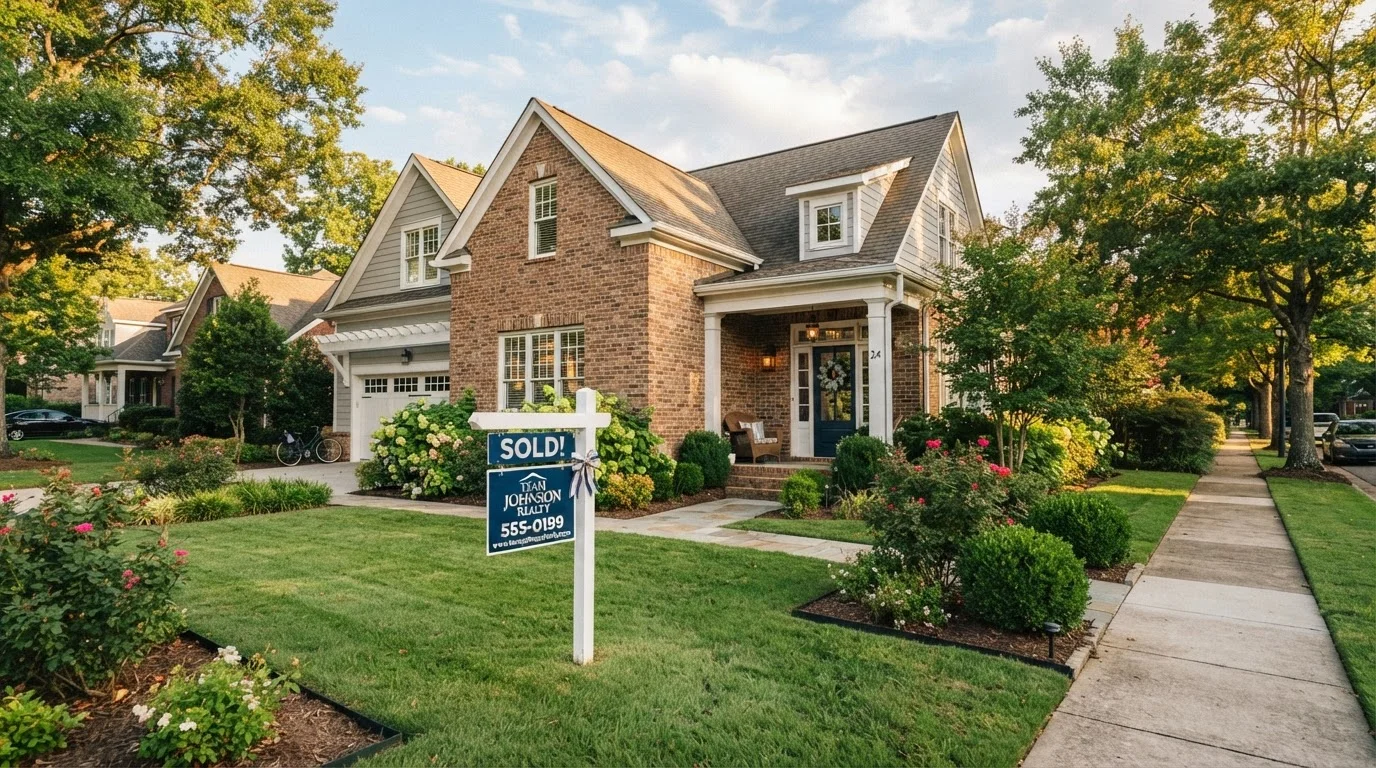
Photo: BridgeWish.com | Reliable Source Of Information editorial
Key Takeaways
- Getting pre-approved before house hunting sets a realistic budget and strengthens your offers.
- A home inspection is one of the most important protections a buyer has — never skip it.
- Closing costs typically run 2–5% of the loan amount, on top of your down payment.
- The timeline from accepted offer to closing usually takes 30–60 days.
- Understanding each stage reduces surprises and keeps the process moving forward.
Step 1: Assess Your Financial Readiness
Before you browse a single listing, take an honest look at your finances. Lenders will scrutinize three main factors: your credit score, your debt-to-income (DTI) ratio (your monthly debt payments divided by gross monthly income), and your savings for a down payment and closing costs.
Most conventional loans require a credit score of at least 620, though a higher score generally unlocks better interest rates. Government-backed loans — such as FHA loans — may accept lower scores, but they carry their own requirements. Aim to keep your DTI below 43%, which is a common lender threshold.
Set a realistic savings target. Beyond the down payment (which can range from 3% to 20% or more of the purchase price), budget for closing costs, moving expenses, and an emergency fund for home repairs.
Start Building Credit Early
Step 2: Get Pre-Approved for a Mortgage
A mortgage pre-approval is a lender's written commitment to loan you up to a specified amount, based on verified income, assets, and credit. It differs from pre-qualification, which is a looser, self-reported estimate. In competitive markets, most sellers require a pre-approval letter before considering an offer.
To get pre-approved, you'll typically provide recent pay stubs, W-2s or tax returns, bank statements, and consent for a hard credit pull. Shop around — comparing offers from multiple lenders (within a short window, usually 14–45 days, to minimize credit score impact) is a standard, recommended practice.
When comparing mortgage offers, focus on the Annual Percentage Rate (APR), not just the interest rate — the APR reflects fees and gives a truer picture of total loan cost.
Attend the home inspection in person and ask the inspector to explain findings as they go — you'll understand the home's condition far better than from the written report alone.
Lock in your pre-approval and avoid major financial changes — like opening new credit cards or changing jobs — until after closing. Lenders often re-verify your finances before funding.
Step 3: Search for a Home
With a pre-approval in hand, you can search with purpose. Work with a licensed buyer's agent — they represent your interests, have access to the Multiple Listing Service (MLS), and are typically compensated through the transaction rather than out-of-pocket by the buyer (though commission structures vary; ask upfront).
Define your non-negotiables: location, school district, commute distance, minimum bedrooms and bathrooms, and any accessibility needs. Visit homes in person when possible — photos rarely capture everything. Keep notes on each property so you can compare objectively later.
32%
Share of buyers who are first-time purchasers
According to the National Association of Realtors' 2023 Profile of Home Buyers and Sellers, first-time buyers represented roughly 32% of all home purchases.
2–5%
Typical closing cost range as a share of loan amount
The Consumer Financial Protection Bureau (CFPB) notes that closing costs generally fall between 2% and 5% of the total loan amount, varying by location and loan type.
30–60 days
Typical time from accepted offer to closing
Most conventional purchase transactions take between 30 and 60 days to close after an offer is accepted, though timelines vary by market and loan type.
Step 4: Make an Offer and Negotiate
When you find the right home, your agent will help you craft a purchase offer — a legally binding document specifying the price you're willing to pay, your financing terms, proposed closing date, and any contingencies. Common contingencies include financing (you can back out if your loan falls through), appraisal (the home must appraise at or above the agreed price), and inspection (you can negotiate repairs or withdraw based on findings).
The seller may accept, reject, or counter your offer. Negotiation is normal. Understand your walkaway point before entering discussions so emotions don't drive decisions.
Contingencies Protect You — Understand Them
For a detailed look at everything that happens once your offer is accepted, see our offer-to-closing walkthrough.
Step 5: From Accepted Offer to Closing Day
Once both parties sign, the clock starts on a 30–60 day closing period. Key milestones include:
- Home inspection: A licensed inspector examines the property's structure, systems, and safety. The report informs further negotiation or repair requests.
- Appraisal: Your lender orders an independent appraisal to confirm the home's market value supports the loan amount.
- Title search and insurance: A title company reviews ownership history to confirm there are no liens or claims on the property. Title insurance protects against undiscovered issues.
- Final loan approval (underwriting): The lender verifies all documentation and issues a clear to close.
- Closing disclosure review: At least three business days before closing, you receive a Closing Disclosure listing all final loan terms and costs. Review it carefully against your Loan Estimate.
- Closing day: You sign a large stack of documents, pay closing costs and any remaining down payment, and receive the keys.
For a comprehensive end-to-end reference covering budgeting through move-in, the full homebuying reference guide walks through every phase in depth.
“The most prepared buyers are the ones who close with the fewest surprises. Understanding each step — before you're in the middle of it — is the single biggest advantage a buyer can have.”
— Home Editorial Team, Real Estate Content Specialists
Renting vs. Buying: Choosing the Right Path
Homeownership isn't the right fit for every situation or every season of life. Buying builds equity and provides stability, but it also comes with maintenance costs, property taxes, and reduced flexibility. Renting can make more sense if you're uncertain about location, not yet financially ready, or prefer predictable monthly costs.
If you're still weighing the two options, our renting start-to-finish guide covers every stage of renting in detail, so you can make a direct comparison. You can also explore the broader Renting a Home hub for resources on leases, landlord relationships, and tenant rights.
CFPB: Buying a House
The Consumer Financial Protection Bureau offers a clear, step-by-step homebuying guide covering mortgages, closing costs, and consumer rights — directly from a federal regulatory authority.
HUD-Approved Housing Counselors
The U.S. Department of Housing and Urban Development (HUD) maintains a directory of approved housing counselors who can provide free or low-cost guidance on buying, credit, and avoiding predatory lending.
Loan Estimate Explainer (CFPB)
Understand every line of your Loan Estimate form — the standardized document lenders must provide within three business days of receiving your mortgage application.
This article is for general informational and educational purposes only. It does not constitute financial, legal, or investment advice. Consult a qualified financial adviser, mortgage professional, or real estate attorney before making decisions specific to your situation.
The content on this site is for informational purposes only and is not a substitute for professional advice. Always consult a qualified professional for guidance specific to your situation.