
Buying a Home

The Documents You'll Need Ready at Every Stage of Buying a Home

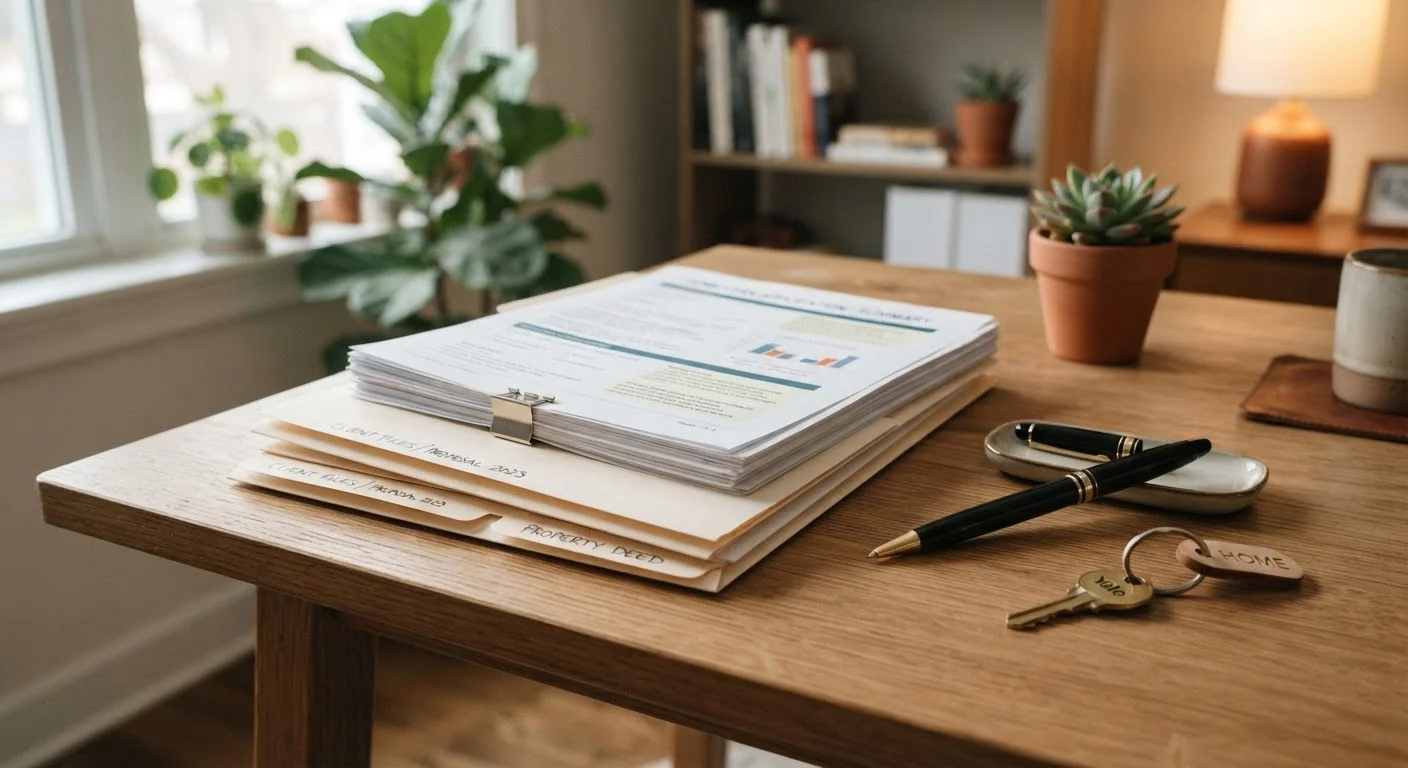
The Documents You'll Need Ready at Every Stage of Buying a Home

Photo: BridgeWish.com | Reliable Source Of Information editorial

From mortgage application to closing, here's a practical checklist of the paperwork you should gather—and keep organized—throughout the process.

Key Takeaways

  • Lenders typically require two years of tax returns, recent pay stubs, and bank statements during mortgage pre-approval.
  • Having documents ready before each stage reduces delays and can strengthen your position as a buyer.
  • Some documents—like your government-issued ID—are needed at multiple stages, so keep them easily accessible.
  • Closing requires the most paperwork; reviewing the Closing Disclosure at least three business days in advance is standard practice.
  • Self-employed buyers and those with non-traditional income should plan for additional documentation requirements.

Why Document Readiness Matters

Buying a home involves a lot of moving parts, and missing or delayed paperwork is one of the most common reasons transactions slow down or fall through. Whether you're applying for a mortgage, making an offer, or sitting at the closing table, lenders, agents, and title companies each need specific documents—often on short notice.

Think of this checklist as your running inventory. Rather than scrambling when your loan officer asks for a bank statement, you'll already know where it is. The homebuying process, start to finish covers how each stage connects; this checklist focuses specifically on the paperwork side of each phase.

Pre-Approval Stage

Gather your two most recent federal tax returns (all pages and schedules) to document your annual income history. Must
Collect your two most recent pay stubs showing year-to-date earnings for each job you hold. Must
Pull the last two to three months of bank statements for every account you plan to use for the down payment or closing costs. Must
Obtain recent statements for retirement or investment accounts if you intend to use those funds. Should
Have a valid government-issued photo ID ready—a driver's license or passport is typically accepted. Must
Prepare your Social Security number so lenders can pull your credit report with your authorization. Must

Making an Offer

Provide your mortgage pre-approval letter to your real estate agent so it can accompany your written offer. Must
Have proof of earnest money funds available—typically a bank statement showing the balance needed for the deposit. Must
Keep your photo ID accessible, as some sellers or their agents may request identity verification before accepting an offer. Should

Loan Application & Underwriting

Submit a complete Uniform Residential Loan Application (Form 1003), which your lender will help you fill out. Must
Provide W-2 forms from the past two years for all employers to confirm employment history and income. Must
Supply updated bank and asset statements if your lender's timeline extends more than 60 days from pre-approval. Must
If you receive rental income, alimony, or child support, provide documentation such as lease agreements or court orders. Should
Prepare a written explanation (a "letter of explanation") for any unusual deposits, gaps in employment, or credit inquiries. Should
If receiving gift funds for the down payment, obtain a signed gift letter from the donor confirming no repayment is expected. Must

Inspection & Appraisal Phase

Review the home inspection report in full and flag any items you want addressed before proceeding. Must
Keep any repair requests or seller concession agreements in writing and signed by both parties. Must
Retain a copy of the appraisal report your lender orders—you're typically entitled to receive it. Should

Closing Day

Review the Closing Disclosure at least three business days before closing to verify all loan terms, fees, and totals. Must
Bring a valid government-issued photo ID and any certified funds or wire confirmation for closing costs and the down payment. Must
Obtain and securely store your signed copy of the deed, mortgage note, and title insurance policy after closing. Must
Collect any HOA documents, warranties, or utility account transfer paperwork provided at or after closing. Nice to have

Documents by Stage

The documents you need shift as you move from pre-approval through to closing. Below is a stage-by-stage breakdown of what to have ready and why each item matters. Keep both physical copies and scanned digital versions organized in labeled folders—one per stage is a practical approach.

Avoid Large Deposits Without a Paper Trail

Lenders scrutinize bank statements carefully during underwriting. Any large, unexplained deposit may prompt a request for documentation. Before you move money between accounts or accept cash gifts, ask your loan officer how to document it properly to avoid delays.

Self-employed buyers, freelancers, and those with non-traditional income sources should expect to provide extra documentation. This often includes two years of business tax returns, profit-and-loss statements, and a CPA letter confirming self-employment status. Plan ahead rather than waiting for a lender to request these.

Once you reach the offer stage, your agent may also ask for a pre-approval letter to accompany your offer. Use our pre-offer checklist to make sure you've covered all the bases before submitting.

Required

Secure cloud storage service

Store scanned copies of all your documents so they're accessible from anywhere and protected from loss.

Required

Physical accordion folder or binder

Organize hard copies of documents by stage so you can hand them over quickly during in-person meetings.

Optional

Scanner app on your smartphone

Quickly digitize paper documents as you receive them without needing a dedicated scanner.

Optional

Spreadsheet or document tracker

Log each required document, whether it's been submitted, and any follow-up needed from your lender.

At closing, the volume of paperwork increases significantly. You'll be asked to review and sign multiple documents, some of which carry long-term financial implications. Understanding what closing costs you'll owe before that day helps you arrive prepared rather than surprised.

Review the Closing Disclosure Carefully

Federal rules generally require lenders to provide your Closing Disclosure at least three business days before closing. Use that window to compare the final figures against your Loan Estimate. If you spot discrepancies in interest rates, loan terms, or fees, raise them with your lender immediately—do not wait until you're at the closing table.

Once closing is complete, file all signed documents in a secure location—physical and digital. You'll reference the deed, mortgage note, and closing disclosure for tax purposes, future refinancing, and home maintenance records. From there, home maintenance planning becomes your next priority.

Home Editorial Team

BridgeWish.com | Reliable Source Of Information

Home Editorial Team is the collective byline for our editorial team and contributor network. Articles published under this byline or an editorial pen name are researched, written, and reviewed according to our editorial standards for clarity, consistency, and independence before publication.

Renting a HomeBuying a HomeHome Maintenance
View author profile

The content on this site is for informational purposes only and is not a substitute for professional advice. Always consult a qualified professional for guidance specific to your situation.